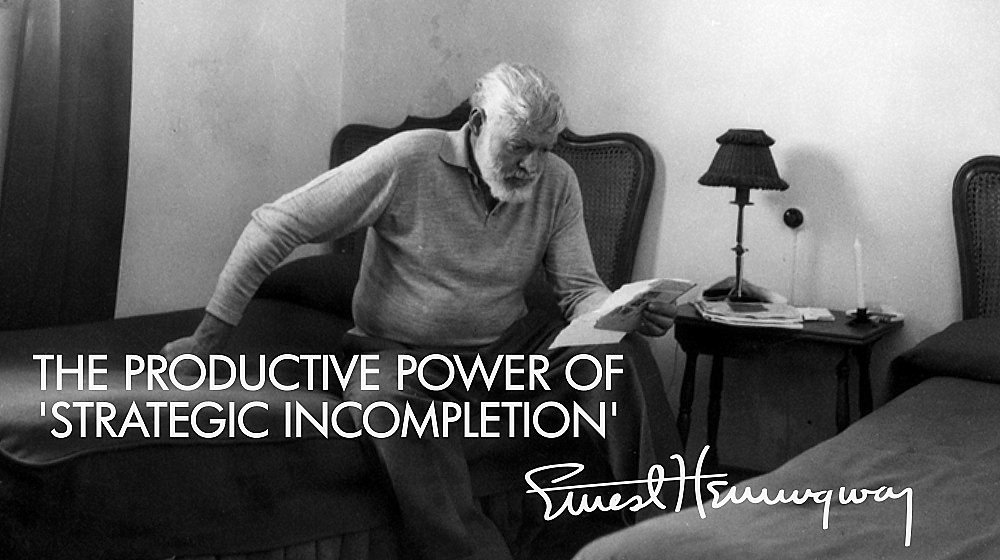
 Procrastination isn’t just waiting—it’s the surrender of agency.
It’s not a delay of action—it’s a relinquishing of will.
The clock is indifferent to your hesitation, but your conscience is not.
Tasks rarely demand much time. They’re often quicker than you imagine, if measured by the minute. But what drags them out is the internal struggle: overthinking, fear, distraction.
That quiet battle inside your mind is the real delay—not the work itself, but the resistance before it. That battle—not the task—is what drains you.
Delay isn’t about duration; it’s about hesitation.
Do things fast—not recklessly, but with intention.
Start, and it’s swift. Stall, and it stretches endlessly, draining energy and time.
Action creates traction. With that, momentum grows.
 Life’s a series of trade-offs; each choice has an opportunity cost—
 We rely on to-do lists to organize our tasks, yet they often
 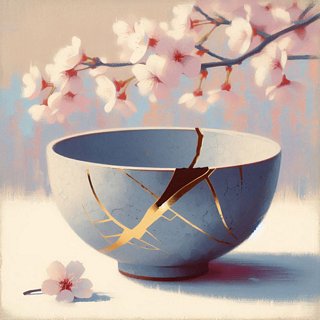 The Japanese aesthetic of
 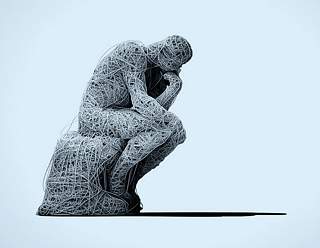 November 20 is
  At this year’s Cannes Film Festival, a group of Danish filmmakers unveiled a manifesto for a cinema movement called Dogma 25. Building on the radical spirit of
.jpg "'The Artist Way Higher' by Julia Cameron (ISBN 1585421472)")