
Julia Cameron’s ‘Morning Pages’ ritual, introduced in her bestselling handbook on the creative life, The Artist’s Way: A Spiritual Path to Higher Creativity (1992,) has become a widely embraced method for nurturing mental clarity and creative flow. The idea’s simple yet profound. Each morning, you write three pages longhand in a stream-of-consciousness style. No filters. No expectations. Just an honest outpouring of whatever’s on your mind.
Morning Pages doesn’t require any special skill or background. Just a pen, some paper, and the willingness to meet yourself on the page. The goal isn’t to craft brilliance. It’s to make space for clarity by sweeping out mental clutter. That’s why the practice’s so effective. It reliably helps to center you before the noise of the day creeps in.
Over time, the pages begin to reveal patterns: recurring worries, creative blocks, unresolved questions. These are the kinds of things that might otherwise stay hidden. This daily ritual becomes a quiet mirror, reflecting back what needs attention. The practice can be incredibly grounding, especially on days when thoughts feel tangled or unsettled.
.jpg "'The Artist Way Higher' by Julia Cameron (ISBN 1585421472)") The value of Morning Pages lies less in what you write and more in the act of showing up. You don’t need to be profound. Rambling counts. Lists count. Complaints count. Even writing “I have nothing to say” counts. Strangely, some of the best surprises surface later, often not during writing but afterward: while walking the dog or washing dishes, a knot quietly unravels.
The value of Morning Pages lies less in what you write and more in the act of showing up. You don’t need to be profound. Rambling counts. Lists count. Complaints count. Even writing “I have nothing to say” counts. Strangely, some of the best surprises surface later, often not during writing but afterward: while walking the dog or washing dishes, a knot quietly unravels.
Some days, the resistance is loud, and the pages feel pointless. Those are the days they’re needed most. As Cameron reminds, writing through resistance is part of the process. Even if all you do is scribble frustrations, the practice can be trusted. Over time, it’ll offer far more than it’s asked.
Idea for Impact: Morning Pages create a rare space for unfiltered honesty. Clarity doesn’t arrive like a lightning strike. It comes from showing up. One page at a time. Three pages before breakfast can prevent an entire day spent lost in mental fog.
 It’s a curious feature of our age that we still require, by law, ashtrays in the lavatories of commercial aircraft. Not because we’re nostalgic for the days when the skies were thick with the fug of unfiltered Marlboros, but because—despite decades of prohibition—someone, somewhere, will inevitably decide the rules
 In the modern workplace, the line between professional and personal conduct
  Few phrases in the sales playbook are as overused and quietly harmful as “going after the low-hanging fruit.” It promises quick wins, fast cash flow, and a morale boost. In the short term, it delivers. These easy deals validate a pitch, energize a team, and keep the lights on. When immediacy becomes a guiding belief,
  Ever stepped into the shower and suddenly cracked a lingering problem wide open? You turn on the water, and just like that, the perfect idea rushes in. That’s your subconscious at work, making
  Performance proves you belong. But it doesn’t earn influence, open strategic doors, or attract sponsorship. Those privileges follow likeability—not charm, not flattery, but emotional fluency grounded in trust.
.jpg "'The Charisma Myth' by Olivia Fox Cabane (ISBN 1591845947)")
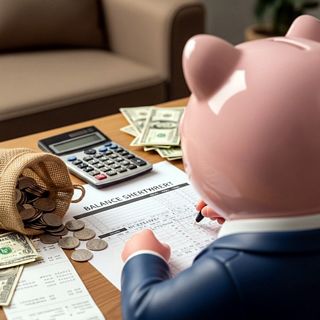 If you haven’t been tracking your personal finances, kick off with a Personal Net Worth Spreadsheet. It’s not revolutionary, but it is relentlessly revealing. The purpose is clear: record what you own, subtract what you owe, and face the unvarnished truth of the remainder. That number is your net worth—untainted by narrative or intention. It can’t flatter. It won’t excuse. It simply reveals.