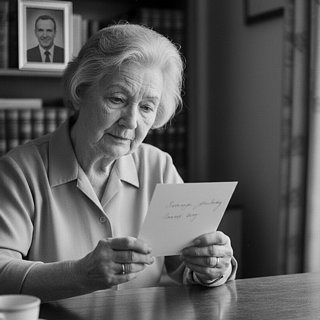
 News of a death often arrives on its own schedule, sometimes long after the moment itself, carrying the quiet weight of something that still matters. Many people, confronted with that delay, retreat into silence, convinced the chance to acknowledge the loss has passed.
Condolence etiquette has never hinged on punctuality. It rests on the willingness to recognize another person’s pain and to honor the life that ended. We underestimate how much solace lies in being remembered, even belatedly, by another human being.
Families living with loss do not follow a tidy emotional timetable. Their grief continues long after the initial messages fade. A card that arrives months later does not intrude. It joins the ongoing landscape of remembrance, signaling that the person who died has not slipped from view.
A simple card carries weight when it contains a sincere memory or a few honest lines. Such gestures do not resolve anything. They acknowledge. They accompany. They remind.
A belated condolence often strengthens its purpose, showing that remembrance has endured beyond the first wave of attention. It proves that compassion can outlast the news cycle, the social awkwardness, and the instinct to step aside.
Decency does not expire. Time does not blunt the value of kindness. It often sharpens it, demonstrating that empathy can still reach across the distance that loss creates.
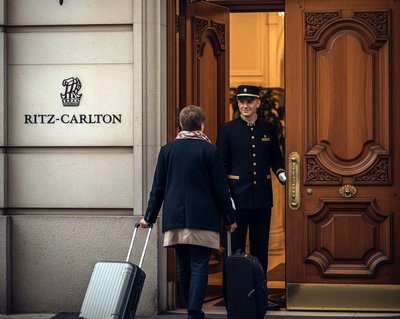 Consider the Ritz-Carlton. Every employee—from housekeeper to concierge—is authorized to spend up to $2,000 per guest, per incident, without managerial approval, to