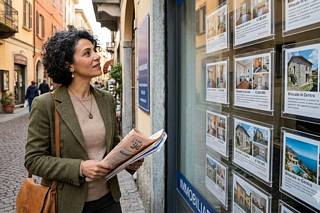
 Liberty lives not in certainty but in optionality—in the deliberate enlargement of possible futures.
Here’s a useful rule of thumb when you’re stuck: when choosing between two paths, pick the one that opens more options later.
Most people default to the guaranteed outcome. Staying home is comfortable. Going to the event is exhausting. Instinct favors comfort, and we dress that up as prudence. But comfort and safety aren’t the same thing. The option you don’t take doesn’t register as a loss—it just never materializes.
Jeff Bezos captured this with his one-way and two-way door framework. One-way doors are hard to reverse. Two-way doors aren’t. Favor the choice that keeps more options in play, especially when the cost of being wrong is recoverable.
Optionality as a decision-making framework pays off most during periods of active exploration—your 20s and 30s, or any serious career transition. Choices compound. Repeated openness builds real flexibility. Repeated comfort narrows what becomes available over time.
Optionality isn’t indecision. It’s a bias toward action that preserves future choice. More options available means navigating setbacks from a position of strength. That’s not a small advantage.
Idea for Impact: Every decision shapes the next set of decisions available to you. The right question isn’t “what do I get from this?” It’s “what does this make possible next?”

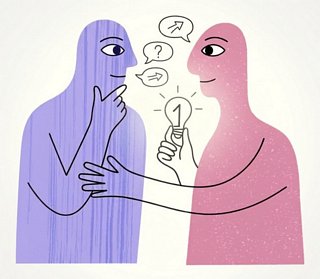 Take job interviews. Knowledge matters, obviously, but what sticks in someone’s mind is
 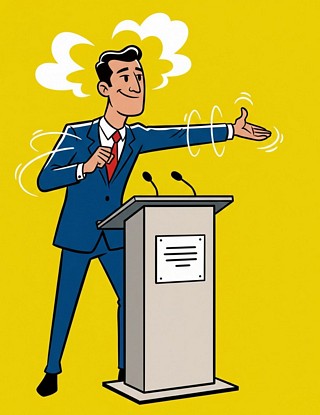 Phrases such as “look,” “here’s the deal,” and “here’s what you need to know” have become common preambles. Sometimes they’re harmless fillers, but often they’re micro-commands
 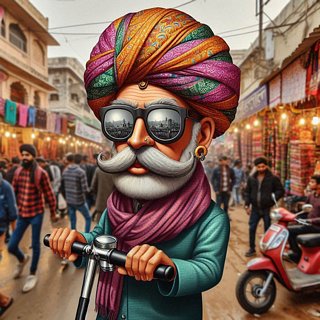 My friend Jack recently offered a retrospective on his decade-long dalliance with sneaker trends—a ride as unpredictable as it was swift. He began faithfully attached to New Balance, those once-maligned “dad shoes” that screamed suburban resignation. Then came Converse, adopted not for comfort but for credibility, as his children entered the age of judgment and he entered the age of trying not to embarrass them. Shortly thereafter, he flirted with On sneakers during a Lululemon-inspired phase that boldly declared, “I’m trendy, indeed!” Yet as fashion’s fickle currents swept him toward HOKA’s cloud-like comforts, Jack eventually circled back to a reinvented New Balance—now celebrated as a bona fide streetwear icon. Worn out by the relentless trend chase, he
  When stress hits, lowering your standards and aiming for
 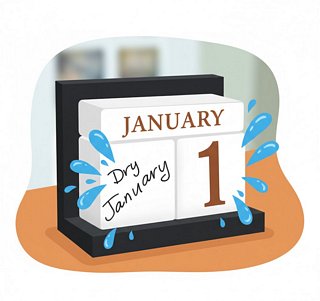 Dry January is marketed as a
 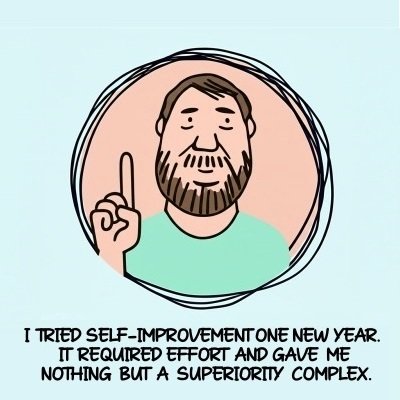 Few things feel more exhausting than the annual tradition of drafting New Year’s
 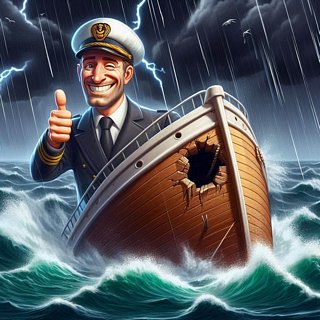 Optimism’s useful—good for your mind, body, and well-being. But it’s not a cure-all.
 Disappointed? Hurt? Offended?
 Life’s a series of trade-offs; each choice has an opportunity cost—