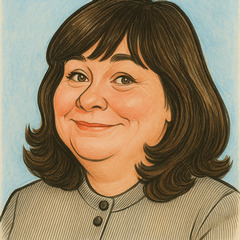
 British comedian and The Vicar of Dibley star Dawn French is credited with saying, “When it’s funny, it’s not bad taste. And when it’s bad taste, it’s not funny.” These words capture a fundamental truth: comedy balances cleverness and offense, joy and discomfort.
Humor is subjective, yet great comedy thrives on wit, relatability, and the unexpected—not cruelty or cheap shock value. It illuminates life’s absurdities, inviting fresh perspectives without alienating its audience. When comedy resorts to malice or punches down, it fails both ethically and comedically. By adapting to shifting cultural norms, true humor unites us by challenging preconceptions and sparking dialogue.
Idea for Impact: Use French’s words as your litmus test. Don’t just aim for laughs—strive to be artful, intelligent, and empathetic. Make people think rather than regret laughing.
 Disappointed? Hurt? Offended?
 Life’s a series of trade-offs; each choice has an opportunity cost—
 We rely on to-do lists to organize our tasks, yet they often
 A disagreement stays harmless until you make it personal. Attack someone’s character, dismiss their opinions, or ignore their emotions, and it stops being a discussion. It
  November 20 is
.jpg "'The Artist Way Higher' by Julia Cameron (ISBN 1585421472)")
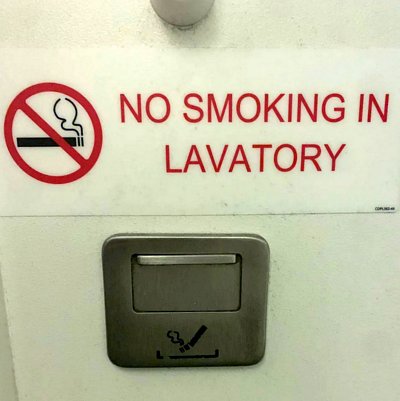 It’s a curious feature of our age that we still require, by law, ashtrays in the lavatories of commercial aircraft. Not because we’re nostalgic for the days when the skies were thick with the fug of unfiltered Marlboros, but because—despite decades of prohibition—someone, somewhere, will inevitably decide the rules