 Dry January is marketed as a ritual of renewal—a sober start to the year, a clean break from December’s excess. But beneath its virtuous packaging lies a familiar cycle. Instead of encouraging balance, it often replicates the very problem it claims to fix: the swing between indulgence and abstinence.
This binary—binge, then ban—doesn’t disrupt harmful habits. It reinforces them. By framing total sobriety as a seasonal corrective, Dry January legitimizes the very extremes it should disavow. True discipline is not abstention by calendar. It is the quiet, daily refusal to be ruled by impulse or fashion.
The same pattern surfaces beyond alcohol. Crash diets after holiday feasts. All-night cramming before exams. Financial detoxes to offset overspending. Each offers the illusion of control in the wake of excess—a performance of restraint with no staying power.
Discipline rooted in deprivation is flimsy. It fades with novelty. Lasting change comes from steady practice, not dramatic purges. If one must abstain, let it be for clarity, not conformity.
Idea for Impact: The antidote to overindulgence isn’t temporary denial—it’s moderation before the excess begins.
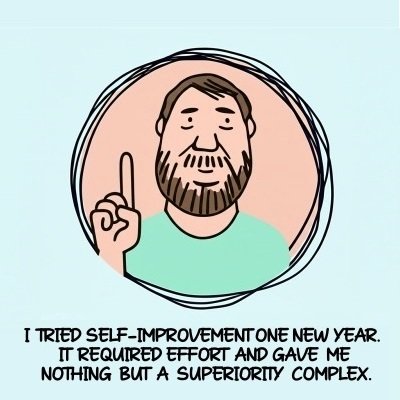 Few things feel more exhausting than the annual tradition of drafting New Year’s
  Modern life tempts us toward simple ideals—peace, joy, freedom—but wisdom lies in reimagining these not as escapes from discomfort, but as quiet, sustained negotiations with the
  Procrastination isn’t just waiting—it’s the surrender of agency.
 Optimism’s useful—good for your mind, body, and well-being. But it’s not a cure-all.
 Disappointed? Hurt? Offended?
 Life’s a series of trade-offs; each choice has an opportunity cost—
 We rely on to-do lists to organize our tasks, yet they often
  The Japanese aesthetic of