
Bad therapy harms more than no therapy at all, much like poor surgery leaves a patient worse off than the original ailment.
Therapists create one of the greatest risks in psychotherapy when they mishandle past trauma. Exploring painful experiences illuminates current struggles, but therapists must calibrate carefully. Some therapists push too far, too fast and retraumatize clients because they lack the skill to navigate trauma safely. When therapists discuss trauma in ways that overwhelm rather than support, they reactivate painful emotions without providing adequate coping strategies, and clients end up destabilized instead of healed.
A therapist’s approach, skill, and fit often determine outcomes. Training background and individual ability vary significantly, but research consistently shows that the “therapeutic alliance”—the relationship between client and therapist—predicts outcomes more reliably than specific techniques. When clients feel understood and safe, difficult work transforms them. When the alliance falters, even sound methods harm.
Therapists must stay attuned to a client’s emotional state and boundaries. If a client feels retraumatized, the therapist must address those feelings immediately. A skilled therapist pauses, validates the experience, and adjusts the approach. When therapists fail to respond, clients should seek someone else.
Productive discomfort differs from harmful retraumatization. Growth requires moving through difficult emotions, but the distinction lies in whether the client feels supported or abandoned—whether they build coping resources or simply relive old pain.
Idea for Impact: The goal of analytic therapy is not excavation for its own sake, but healing that weaves the past into the present without leaving the client more fragmented than before.
 When stress builds, some people instinctively take a few minutes to clean. It’s more than a quick break—it’s a
  My friend Jack recently offered a retrospective on his decade-long dalliance with sneaker trends—a ride as unpredictable as it was swift. He began faithfully attached to New Balance, those once-maligned “dad shoes” that screamed suburban resignation. Then came Converse, adopted not for comfort but for credibility, as his children entered the age of judgment and he entered the age of trying not to embarrass them. Shortly thereafter, he flirted with On sneakers during a Lululemon-inspired phase that boldly declared, “I’m trendy, indeed!” Yet as fashion’s fickle currents swept him toward HOKA’s cloud-like comforts, Jack eventually circled back to a reinvented New Balance—now celebrated as a bona fide streetwear icon. Worn out by the relentless trend chase, he
  When stress hits, lowering your standards and aiming for
  Dry January is marketed as a
 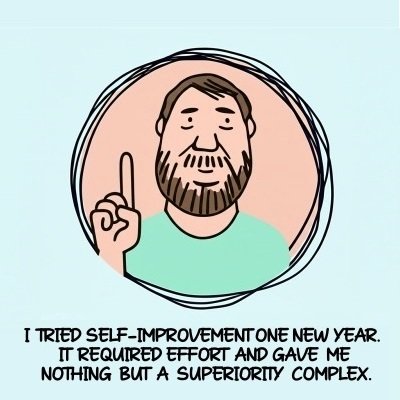 Few things feel more exhausting than the annual tradition of drafting New Year’s
  Modern life tempts us toward simple ideals—peace, joy, freedom—but wisdom lies in reimagining these not as escapes from discomfort, but as quiet, sustained negotiations with the
  Procrastination isn’t just waiting—it’s the surrender of agency.
 Optimism’s useful—good for your mind, body, and well-being. But it’s not a cure-all.
 We rely on to-do lists to organize our tasks, yet they often