 Most people know what it feels like to be knocked sideways by life. A disappointment, a loss, a stretch where nothing seems to go right. There’s a temptation to give it a clinical name, to call it depression, because a diagnosis makes the feeling seem containable—something with edges that can be treated and resolved.
Sadness and depression aren’t the same thing, and collapsing the distinction doesn’t help either condition. Sadness is proportionate and traceable. It has a cause, and it lifts as circumstances shift or time passes. Depression doesn’t follow that logic. It’s persistent, often causeless, and resistant to the things that normally restore equilibrium.
That distinction matters more than it might seem. When ordinary sadness gets labelled as illness, it erodes the resilience that carries people through hard periods. Deciding you’re unwell changes how you respond—you’re less likely to stay functional, less likely to grieve cleanly, more likely to treat every difficult feeling as a symptom requiring management rather than an experience requiring time.
Acknowledging sadness for what it is takes honesty. It means accepting discomfort without inflating it, and recognising that feeling low after something painful isn’t a malfunction. It’s the appropriate response to a difficult experience.
Not everything that hurts is a disorder. Sometimes it’s just life, and the way through it is forward.
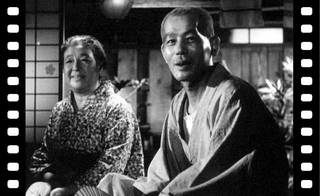 Yasujirō Ozu’s
 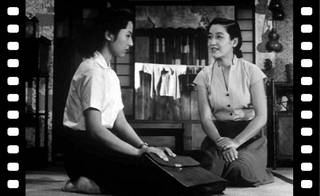 Kyōko, the youngest daughter, gives voice to the anger simmering beneath the surface, frustrated by her siblings’ indifference. But it’s Noriko, the widowed daughter-in-law, who delivers the film’s quiet verdict. When Kyōko says, “Isn’t life disappointing?,” Noriko replies with calm acceptance: “Yes. Nothing but disappointment.” The exchange is delivered without bitterness, without drama. Disappointment, Ozu suggests, isn’t just about other people falling short. It’s about
 All-or-nothing thinking—the habit of seeing life in rigid extremes—distorts how you interpret events, relationships, and even your own ability to change. It works beneath conscious attention, which is why it’s so persistent.
 Yet another rich guy is
  In
In .jpg "'The Problems of Philosophy' by Russell Bertrand (ISBN 161427486X)")
 “Socrates and Plato were shocked by the sophists because they had no religious aims,” Russell observes, noting that many ancient Greek philosophers “founded fraternities which had a certain resemblance to the monastic orders of later times.” These philosophical schools—such as those established by
  Minor annoyances can drain you more than you realize. They don’t vanish after the moment passes; they linger, filling every bit of mental space you allow them. The irritation itself is brief, but the
 Real connection isn’t in the highlight reel of coffee dates or parties. It’s forged in the unglamorous trenches of daily life.