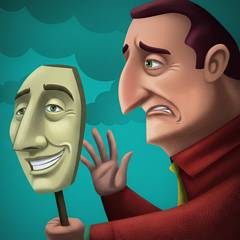
 The human ego is a tireless editor, reshaping the messier parts of our lives into something easier to accept. The greatest obstacle to wisdom isn’t ignorance, but the stories we tell ourselves to disguise it.
When we falter—through vanity, jealousy, or short-term greed—the damage isn’t just social; it unsettles identity itself. We like to imagine ourselves logical, composed, virtuous. Yet when our actions betray that image, we feel the sting of contradiction. To face the raw truth of our impulsivity is to admit a lack of control most of us can’t bear.
Rather than confront this discomfort through the hard work of change, we reach for an easier remedy: we rewrite the story. The human animal is never so inventive as when manufacturing excuses for its own missteps. We wrap flaws in the soft packaging of “the narrative,” applying logic post hoc. The angry outburst at a colleague becomes “standing one’s ground.” The petty indulgence is reframed as a “calculated decision” or a YOLO moment. By rebranding vice as misunderstood virtue, we protect self-esteem—but at the cost of growth.
The Danger Isn’t the Mistake, It’s the Spin
Self-deception is the most efficient censorship: it spares us the pain of truth while ensuring we never learn from it. This editing means mistakes are never truly processed. Genuine progress requires a post-mortem: a clear look at where judgment failed. But when failure is explained away as circumstance or necessity, the incentive to improve vanishes. We soothe discomfort with a lie, leaving the pattern of impulse untouched.
Idea for Impact: Our self-narratives stifle self-awareness. When we rewrite our failures to protect our egos, we trade clarity for comfort. By ignoring the irrational forces driving us, we remain strangers to our own motives—rationalizing our mistakes instead of fixing them. And inevitably repeating them. Clarity begins where excuses end.
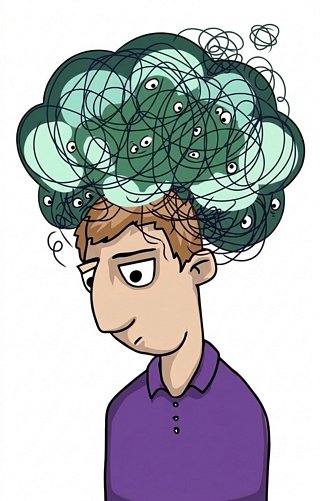 You’re lying awake at 3am replaying an argument. You tell yourself to stop. The thought gets louder. You try harder. Louder still. At some point it feels less like a thought and
  Outside
 .jpg "'The Four Loves' by C. S. Lewis (ISBN 0062565397)")
 Lewis confronts the comforting myth that

.jpg "'A Guide for the Perplexed' by E. F. Schumacher (ISBN 006241481X)")

 There’s a voice most people never mention. Not the critic in the comments. Not the doubter in the room.
  Most of the damage done in relationships starts out as something far smaller than malice. It starts out as a habit, an assumption, a priority that made sense to one person and never got explained to the other.
 The self-help industry has spent decades treating the comfort zone