 Modern life tempts us toward simple ideals—peace, joy, freedom—but wisdom lies in reimagining these not as escapes from discomfort, but as quiet, sustained negotiations with the messier textures of reality and our own evolving psychology.
Peace isn’t the erasure of struggle. It’s the discipline of stillness in the eye of life’s whirlwind.
Joy isn’t the refusal of hardship. It’s the art of finding richness within the imperfect texture of experience.
Freedom isn’t the absence of constraint. It’s the capacity to act wisely within necessary limits.
Love isn’t just the presence of another. It’s the slow triumph of solitude, learned and accepted.
Growth isn’t a race toward improvement. It’s the quiet reconfiguration of the self in real time.
Purpose isn’t the conquest of doubt. It’s the patient search for significance beneath ambiguity.
Security isn’t a fortress of caution. It’s the intuition to risk and retreat in thoughtful balance.
Idea for Impact: Maturity doesn’t come from tidying life’s chaos, but from meeting it with curiosity, restraint, and poetic understanding.
 Procrastination isn’t just waiting—it’s the surrender of agency.
 Optimism’s useful—good for your mind, body, and well-being. But it’s not a cure-all.
 We rely on to-do lists to organize our tasks, yet they often
  Hustle culture promotes the idea that ambition is demonstrated through exhaustion, making sacrifices in well-being appear necessary for success. Society has
 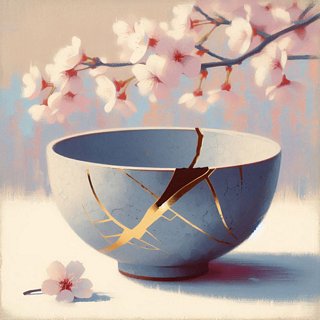 The Japanese aesthetic of
  November 20 is
.jpg "'The Artist Way Higher' by Julia Cameron (ISBN 1585421472)")
 If you haven’t been tracking your personal finances, kick off with a Personal Net Worth Spreadsheet. It’s not revolutionary, but it is relentlessly revealing. The purpose is clear: record what you own, subtract what you owe, and face the unvarnished truth of the remainder. That number is your net worth—untainted by narrative or intention. It can’t flatter. It won’t excuse. It simply reveals.
 The
The