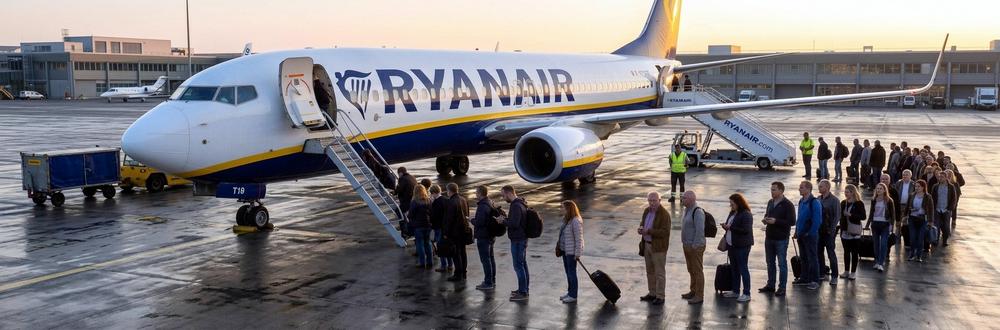
Most travelers have heard the jokes and the horror stories about Ryanair. The airline draws groans at the mere mention of its name. Its reputation rests on cramped seats, endless fees, and the fear that a carry-on will be judged one centimeter too large, triggering a fine bigger than the ticket price.
Yet Ryanair hasn’t merely survived the outrage. It has become one of the most profitable airlines in the world.
Ryanair’s social media accounts answer complaints with blunt, unapologetic replies. A passenger who objected to getting basic service for a €9 fare was told, “You paid €9, what did you expect? A throne?” A customer who paid for a window seat and found a blank wall at row 11 got the reply, “We sell seats, not windows.” Another customer posted a photo of himself enjoying extra legroom and announced that he was 6’3.” Ryanair answered with three words: “This isn’t Tinder.”
The approach is blunt, and it works. Outrage generates engagement, complaints become free advertising, and each exchange spreads further as people share it. Travelers grumble and still book, because a €9 fare is hard to turn down. The replies also set terms in advance, telling prospective customers exactly what they’re buying, so few can claim afterward that they were misled.
The business model behind the posts depends on expectation management. Ryanair doesn’t raise expectations. It lowers them. Before a flight, passengers brace for the worst: a seat too cramped to be comfortable, a carry-on that triggers a fee, hidden charges that push the fare above the price of a premium ticket. That anticipation sets the standard extremely low.
Then the flight turns out to be fine. It isn’t great, but it’s fine. The legroom is manageable, the padding is tolerable, and soft bags often pass the carry-on check without trouble. Passengers feel relief, and the usual reaction is that the trip wasn’t as bad as they expected.
Consumer psychologists call this expectation-disconfirmation: when reality exceeds a low expectation, the emotional response is stronger than when reality merely meets a high one.
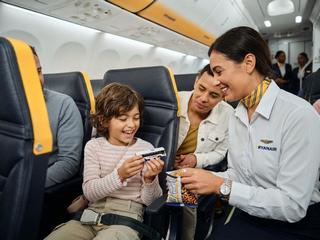 Premium airlines face the opposite problem. Delta Air Lines sets high expectations for service and comfort, so minor lapses, such as a slightly delayed welcome drink or imperfect padding on a lie-flat seat, register as disappointments. Ryanair trains passengers to expect hardship, which means every absence of trouble counts as a win: no unexpected baggage fee, no delay, a cabin cleaner than anticipated.
Ryanair sells transportation, a basic service for getting from one place to another. Once passengers accept that comfort is optional, their expectations adjust, and small positives such as an efficient boarding process register as perks rather than baseline.
The airline stays popular despite the complaints. Its reputation for being cheap keeps it relevant, and the reaction that the flight wasn’t as terrible as feared brings customers back, even after they’ve sworn they won’t return. Ryanair understands its reputation and builds its business on low expectations. Travelers may complain, but many will book again anyway.
Idea for Impact: Managing expectations is a legitimate competitive tool. State plainly what you offer, set expectations honestly, and deliver slightly better than promised. People judge experiences by contrast rather than by absolute quality, so decide what customers expect before they decide it for you.
Leave a Reply