• Skip to content
  • Skip to primary sidebar

Right Attitudes

Ideas for Impact

Likeability

You’re Worthy of Respect

August 6, 2025 By Nagesh Belludi Leave a Comment

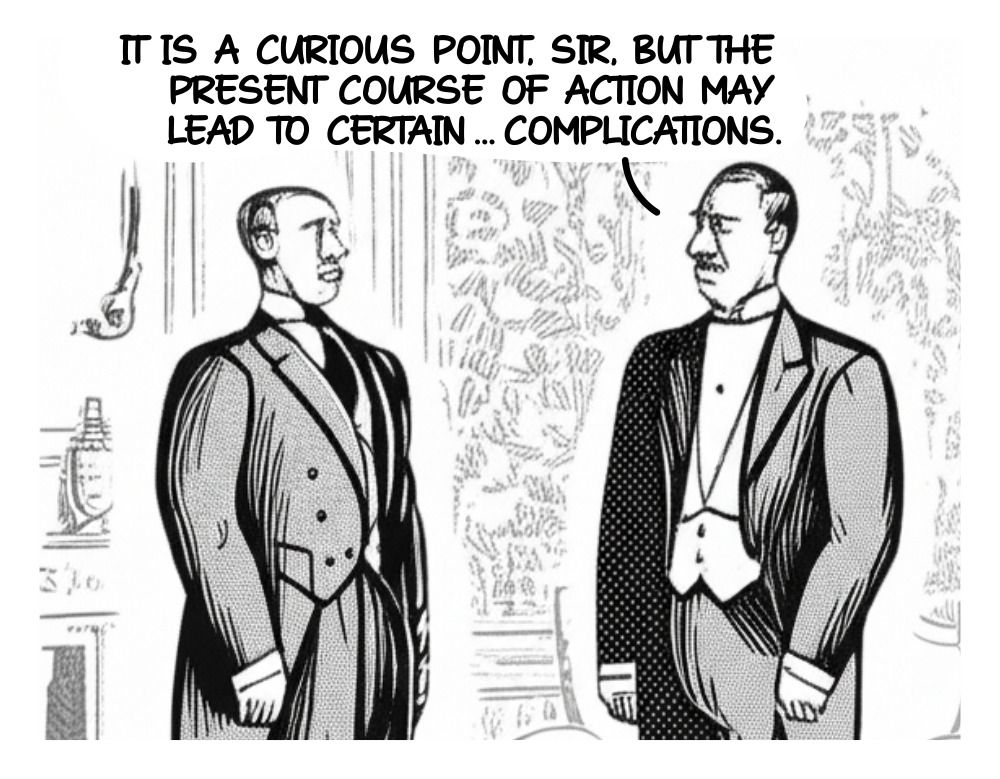
You're Worthy of Respect - Beware the Manipulators of Worth Watch out for anyone who demands you jump through hoops just to be treated with basic decency.

There’s a difference between earning trust and earning the right to be treated like a human being. The former is part of healthy relationships. The latter is a red flag.

Dignity isn’t a reward—it’s a baseline. You don’t need to prove your intelligence, competence, or usefulness to deserve courtesy, fairness, or kindness. If someone makes your dignity conditional, they’re not building trust—they’re asserting control.

Yes, respect for someone’s judgment or expertise is often earned over time. A job interview, a test of reliability, a gradual deepening of trust—these are normal. But they should never come at the cost of your basic worth.

If someone tells you to “prove your value” before they’ll treat you with respect, ask yourself: Are they assessing your skills—or trying to make you feel small?

In healthy relationships, respect is layered—but dignity is non-negotiable. You can earn someone’s confidence, but you should never have to earn their humanity.

Wondering what to read next?

  1. Stop Trying to Prove Yourself to the World
  2. Who Told You That Everybody Was Going to Like You?
  3. Avoid Control Talk
  4. Witty Comebacks and Smart Responses for Nosy People
  5. Could Limiting Social Media Reduce Your Anxiety About Work?

Filed Under: Living the Good Life, Managing People, Sharpening Your Skills Tagged With: Assertiveness, Attitudes, Conflict, Etiquette, Getting Along, Likeability, Networking, Relationships

The Wisdom of the Well-Timed Imperfection: The ‘Pratfall Effect’ and Authenticity

August 4, 2025 By Nagesh Belludi Leave a Comment

The Wisdom of the Authentic Pratfall: How Imperfection and Honesty Build Real Connection

In a culture obsessed with flawless presentation, revealing one’s imperfections may seem risky. Yet it can be unexpectedly powerful. This paradox—where a minor misstep enhances likability—is known in psychology as the Pratfall Effect, a phenomenon explored by social psychologist Elliot Aronson in the 1960s. His research found that a small, harmless error, when made by someone already viewed as competent, could deepen that person’s appeal. Competence inspires admiration, but fallibility invites connection.

Aronson illustrated this effect through a clever experiment. Participants listened to audio recordings of quiz-show contestants: one confident and high-performing, the other more mediocre. In some versions, the contestant spilled coffee mid-interview—a minor blunder. The competent contestant’s likability surged after the incident. In contrast, the average one saw no such boost. The study’s insight was precise: credibility sets the stage, but imperfection activates charm. Without initial competence, a flaw simply reads as failure.

The term Pratfall comes from slapstick comedy—a clumsy tumble played for laughs. But in the context of psychology, it gestures toward something more revealing: perfection creates distance. It can feel untouchable, even intimidating. A stumble, however slight, signals humanity. We feel closer not when others perform flawlessly, but when they allow their guard to drop.

Imperfect, Therefore Credible: When Admitting Weakness Builds Trust

Beyond Flawless: How Imperfection Boosts Appeal, Featuring Unilever's Real Beauty Revolution Marketers have adapted this insight with varying degrees of boldness. Dove, the personal care brand under Unilever, redefined beauty norms by spotlighting authenticity. Its “Real Beauty” campaign intentionally moved away from airbrushed models and showcased everyday bodies in ways that emphasized inner confidence and natural grace. Footwear retailer Zappos, known for its customer service ethos, leaned into its imperfections—openly acknowledging logistical hiccups and turning transparency into a form of customer intimacy. Ryanair, the European budget airline, took a more sardonic approach: it flaunts its no-frills discomfort, mocks traditional notions of luxury, and builds loyalty by refusing to pretend it was anything other than economical. Across these cases, flaws—whether candid or stylized—became signals of integrity.

For Ryanair especially, naming its limitations worked to clarify its priorities. Legroom may be tight, amenities scarce—but the promise of low fares and operational efficiency remained untouched. By owning its tradeoffs, the airline avoided suspicion. Concealment breeds doubt. Disclosure builds trust.

There’s also rhetorical value in this strategy. When a brand confesses to a shortcoming, it earns credibility—positioning itself to be believed when making a claim. Guinness, once hampered by delays in delivery, recast the wait as part of its charm with the tagline “Good things come to those who wait,” transforming patience into a premium. Stella Artois, a Belgian lager with upscale branding, embraced its high price point with “Reassuringly Expensive”—suggesting quality rather than excess. Lyons, a tea brand rooted in Irish tradition, celebrated its product not as a daily necessity but as a gentle, well-deserved indulgence. In each case, marketers found strength not by dodging imperfection, but by weaving it into the narrative.

Still, the Pratfall Effect has its internal tensions. Within corporate settings, the incentives that shape messaging can clash with those that govern individual risk. What elevates the brand might jeopardize the marketer. Vulnerability can look bold on a campaign brief but risky on a performance review. If an attempt at candor falters, it may be viewed as recklessness. In such environments, polish prevails.

In Business and Life, Curated Imperfection Creates Shared Meaning, Not Just Market Advantage

Some brands opt out entirely. Chanel and Lexus, for instance, present pristine identities that avoid the pratfall’s logic. Chanel tells stories of timeless elegance—floating above everyday context, immune to blemish. Lexus, Toyota’s luxury arm, relies on precision and craftsmanship. Their appeal stems from aspiration, not relatability. To these brands, imperfection risks dilution; their value proposition hinges on exclusivity, not accessibility.

Embrace Your Pratfall: How Mistakes and Authenticity Build Connection Yet the Pratfall Effect isn’t limited to marketing. It manifests in the more intimate moments of daily life. In romance, a small confession can melt emotional distance. In job interviews, an honest error, paired with thoughtfulness, can signal growth and humility. The fusion of capability and candor conveys something rare: a confidence that doesn’t rely on control.

This balancing act—practicing vulnerability without artifice—reveals character. Perfection, though impressive, can feel sterile. What persuades is often more textured: a self-aware flaw, deliberately shared, speaks volumes. It’s not an apology. It’s a quiet assurance that there’s nothing to hide. In this way, imperfection becomes a bridge—connecting people not by virtue of polish, but through the unmistakable resonance of being real.

Wondering what to read next?

  1. The Mere Exposure Effect: Why We Fall for the Most Persistent
  2. Decoy Effect: The Sneaky Sales Trick That Turns Shoppers into Spenders
  3. Airline Safety Videos: From Dull Briefings to Dynamic Ad Platforms
  4. The Loss Aversion Mental Model: A Case Study on Why People Think Spirit is a Horrible Airline
  5. What Virgin’s Richard Branson Teaches: The Entrepreneur as Savior, Stuntman, Spectacle

Filed Under: Business Stories, MBA in a Nutshell, Mental Models, Sharpening Your Skills Tagged With: Assertiveness, Biases, Creativity, Critical Thinking, Likeability, Marketing, Parables, Personality, Persuasion, Psychology, Simple Living

What Virgin’s Richard Branson Teaches: The Entrepreneur as Savior, Stuntman, Spectacle

August 1, 2025 By Nagesh Belludi Leave a Comment

'The Virgin Way' by Richard Branson (ISBN 1591847982) Read any biography of Richard Branson, the flamboyant founder of the Virgin Group, and you’ll find that risk and unpredictability are his most loyal allies. His theatrics routinely turn heads and dominate headlines.

In 2002, Branson staged a media spectacle by descending onto New York’s Times Square via crane for a “Full Monty”-inspired launch of Virgin Mobile’s pay-as-you-go service. He stripped down—though he was actually wearing a muscle-man bodysuit—with only a Virgin cell phone concealing his essentials. The campaign was unapologetically loud, engineered for maximum attention.

It wasn’t his first Times Square spectacle: in the ’90s, he drove a tank through the square to promote Virgin Cola and orchestrated the demolition of a Coca-Cola billboard. The stunt captured his belief in the value of attention at any cost. In 2022, he parked a 70-foot rocket in Times Square to announce Virgin Orbit’s IPO. The gesture remained theatrical and precisely engineered to spark headlines. In 1996, to launch Virgin Brides and enter the bridal wear market, Branson shaved off his signature beard and appeared in a full white wedding gown.

Richard Branson's Times Square Underwear Stunt Launched Virgin Mobile with a Media Frenzy Virgin Cola flopped. So did Virgin Mobile. And Virgin Brides. But the stunts succeeded. Each one defied convention and lodged itself in public memory with theatrical flair.

Branson’s bold moves demonstrate how spectacle and risk can redefine brand identity. He sees what many executives miss.

  • Break the Mold: Reject familiar tactics and command attention.
  • Embrace the Spotlight: Use charisma to connect and leave an impression.
  • Stage the Frenzy: Design moments that ignite buzz and build conversation.

Idea for Impact: Branson doesn’t just sell mobile plans, soft drinks, bridal wear, or transatlantic flights. He sells himself and the Virgin brand. The identity is loud, unmissable, and opposed to moderation. Authenticity, when wielded boldly, can transform even fleeting gestures into lasting impact.

Wondering what to read next?

  1. Sock Success: How THORLO’s Customer Focus Led to Big Wins
  2. HP’s “Next Bench” Innovation Mindset: Observe, Learn, Solve
  3. FedEx’s ZapMail: A Bold Bet on the Future That Changed Too Fast
  4. How FedEx and Fred Smith Made Information the Package
  5. The Mere Exposure Effect: Why We Fall for the Most Persistent

Filed Under: Business Stories, MBA in a Nutshell, The Great Innovators Tagged With: Creativity, Entrepreneurs, Icons, Innovation, Likeability, Marketing, Mental Models, Parables, Personality

Affection Is No Defense: Good Intentions Make Excellent Alibis

June 30, 2025 By Nagesh Belludi Leave a Comment

Affection Is No Defense: Good Intentions Make Excellent Alibis There’s a peculiar cruelty in the well-meant, the kind that cloaks harm in sentiment and justifies injury with declarations of virtue.

We’re told to “look at their intentions,” as if what’s in someone’s heart should matter more than what they’ve actually done—whether it’s manipulation, constant criticism, control, or the slow erosion of your boundaries.

That’s an absurd suggestion. Judging morality by intent is like driving blindfolded and expecting applause for staying in the lane—until you hit someone.

Good intentions don’t excuse toxic behavior. Someone might believe they love you while slowly suffocating you with their version of care. They may raise their voice, make your choices, erode your autonomy—and still feel righteous. They might call it love. It’s not. It’s apathy in the language of affection. It’s control dressed as concern.

Intention doesn’t shield impact. Even harm dressed as love is still harm. The pain’s real. The effects last.

Intentions don’t bleed. Impact does. When someone says their harmful behavior should be excused by how they feel about you, they’re really saying this: that their story matters more than your experience. That they’d rather seem good than do good.

Idea for Impact: It’s painful to admit someone you love might be hurting you. But no matter how gilded the alibi, harm is harm. Don’t accept it just because it came in a velvet box.

Wondering what to read next?

  1. Get Rid of Relationship Clutter
  2. The Secret to Happiness in Relationships is Lowering Your Expectations
  3. Escape the People-Pleasing Trap
  4. How Not to Handle a Bad Boss
  5. You’re Worthy of Respect

Filed Under: Health and Well-being, Managing People, Sharpening Your Skills Tagged With: Assertiveness, Conflict, Conversations, Emotions, Getting Along, Likeability, Mindfulness, Relationships, Suffering

This Single Word Can Drastically Elevate Your Productivity

June 23, 2025 By Nagesh Belludi Leave a Comment

Don't Agree to Less: Say 'No' and Focus on What Matters

You’re working hard, but you still feel stuck when it comes to making real progress. It’s easy to blame demanding clients, a tough boss, or family obligations. Maybe you fall back on familiar excuses like ‘stuff happens’ or ‘if only this’ or ‘if only that.’ Or you might even complain that the world isn’t moving fast enough for you.

But the real issue is your inability to decline what isn’t essential. Saying ‘yes’feels easier—you don’t like turning people down because you don’t want to be the bad guy. And there’s always that nagging thought: “How long could this really take?” While those reasons may feel valid, they’re just excuses.

Every time you say ‘yes’ to something, you’re inherently saying ‘no’ to something else.

You can’t keep saying ‘yes’ to everything without consequences. And those consequences often show up as stalled progress and stress. Important things end up taking a backseat. If you’re not focusing on what truly matters to you, you’ll get overwhelmed, irritated, and ultimately unhappy.

The good news is, you can change this dynamic. You have the power.

Start by creating a clear list of what’s important to you at work and at home. It’s okay if work priorities are at the top or if family comes first. The key is knowing what matters to you.

Once you have that clarity, use your list to filter your time-allocation decisions. When a new request or task comes your way, check if it aligns with your top priorities. If it’s important, that’s great! Just remember, prioritizing it will push other things down your list, and you might not get to those.

If the request doesn’t align, simply decline it.

Don’t take on anything that won’t move you closer to where you want to be.

Just say ‘no.’

That one word—‘no’—is incredibly powerful. The initial discomfort of saying ‘no’ will fade quickly, but the long-term benefits will last. This isn’t about being selfish; it’s about being smart with your time and energy.

Don’t agree to something when you know you can—and must—say ‘no.’ If you keep saying ‘yes,’ you’ll have no one to blame but yourself for not making progress on what truly matters.

Don’t agree to less.

Wondering what to read next?

  1. Everything in Life Has an Opportunity Cost
  2. What Most People Get Wrong About Focus
  3. The Tyranny of Obligations: Summary of Sarah Knight’s ‘The Life-Changing Magic of Not Giving a F**k’
  4. Don’t Say “Yes” When You Really Want to Say “No”
  5. When It’s Over, Leave

Filed Under: Effective Communication, Living the Good Life, Mental Models Tagged With: Assertiveness, Balance, Decision-Making, Discipline, Likeability, Persuasion, Relationships, Simple Living, Time Management

The Tyranny of Obligations: Summary of Sarah Knight’s ‘The Life-Changing Magic of Not Giving a F**k’

June 12, 2025 By Nagesh Belludi Leave a Comment

'The Life-Changing Magic' by Sarah Knight (ISBN 1784298468) Sarah Knight’s The Life-Changing Magic of Not Giving a F**k (2015) dismantles the exhausting pursuit of appeasement, politeness, and obligation—the relentless trifecta that leaves people drained, resentful, and quietly miserable. Knight, once a top book editor known for her precision, now applies that same meticulous clarity to her own writing—turning it mercilessly against the suffocating burdens imposed by others, that insidious parasite of modern civility: obligation masquerading as virtue.

Borrowing from Marie Kondo’s tidying philosophy but swapping neatly stacked sweaters for unapologetically discarded commitments, she introduces the NotSorry Method. The premise is as blunt as it is necessary: identify which obligations are truly worth your time, eliminate the rest, and—most crucially—stop apologizing for doing so. What follows is a ruthless yet freeing act of mental decluttering, one that rescues readers from obligations that serve no meaningful purpose—like background apps silently draining battery life without permission.

Knight’s book is not an endorsement of rudeness or indifference. It is, instead, a blueprint for rational disengagement. She arms readers with firm yet tactful responses, providing both philosophical justification and practical scripts for saying “no” without the unnecessary theatrics. Her unapologetic approach has clearly struck a nerve—her TEDx Talk has amassed over 11 million views, proving just how many people are starved for permission to liberate themselves from exhausting social expectations. Knight’s success didn’t stop at one book; it exploded into an entire No F**ks Given series of self-help guides and journals, each reinforcing the same philosophy of ruthless clarity.

Speedread The Life-Changing Magic of Not Giving a F**k, then apply that same precision to any obligation that has long outlived its usefulness. The chapters are brisk, the advice razor-sharp, and the book itself a battle cry against the absurd expectation that one must accept every social burden with a grateful smile.

Wondering what to read next?

  1. Everything in Life Has an Opportunity Cost
  2. This Single Word Can Drastically Elevate Your Productivity
  3. Escape the People-Pleasing Trap
  4. The Champion Who Hated His Craft: Andre Agassi’s Raw Confession in ‘Open’
  5. How to … Quit Something You Love But Isn’t Working

Filed Under: Living the Good Life, Managing People, Mental Models Tagged With: Assertiveness, Balance, Conflict, Discipline, Likeability, Negotiation, Simple Living, Stress, Time Management

Listen to Understand, Not to Respond

May 28, 2025 By Nagesh Belludi Leave a Comment

Listen to Understand, Not to Respond Many people overestimate their listening skills, yet true listening is uncommon. However, anyone can become an excellent listener by embracing a key principle: listen intently.

In any meaningful conversation, give your complete focus not only to the spoken words but also to the speaker’s underlying emotions and messages. This requires attention without judgment or the internal urge to formulate responses or ask clarifying questions prematurely. When the speaker pauses, resist the urge to interject, allowing them space to continue. Respond instead with a nod or a thoughtful question that encourages further sharing.

In your next important conversation—whether with your boss or partner—practice this focused attention. You might be surprised by the positive impact it creates.

Wondering what to read next?

  1. Signs Your Helpful Hand Might Stray to Sass
  2. Avoid Trigger Words: Own Your Words with Grace and Care
  3. Silence Speaks Louder in Conversations
  4. Why Giving Advice Backfires: Their Issues, Not Yours
  5. “Are We Fixing, Whinging, or Distracting?”

Filed Under: Effective Communication, Managing People, Sharpening Your Skills Tagged With: Asking Questions, Conversations, Etiquette, Getting Along, Likeability, Listening, Mindfulness, Social Skills

How Small Talk in Italy Changed My Perspective on Talking to Strangers

April 28, 2025 By Nagesh Belludi Leave a Comment

Talking to Strangers Fosters Connection, Discovery, and Spontaneity

I spent two weeks immersed in Italian culture earlier this spring and quickly realized that few have mastered the art of flair quite like the Italians. In the bel paese, reveling in life’s simple pleasures is not merely a pastime—it is interwoven into the very fabric of daily life.

In Italy, the concept of personal space is delightfully flexible. My American friend, married to a Sicilian, discovered this when her indefatigable mother-in-law unexpectedly invaded her domain to wash, fold, and even reorganize her wardrobe into an impressively neat display. What might seem like intrusive meddling is, in truth, familial affection expressed through extreme household management—a nuance she ultimately embraced as an integral aspect of Italian family life. Yet even cherished customs have their limits; in 2003, Italy’s Supreme Court ruled that an overbearing and intrusive mother-in-law constituted valid grounds for divorce, challenging one of the nation’s most enduring family traditions.

One of my most striking observations was how Italians blur the boundaries between social and private spaces. Areas that might be considered personal elsewhere—such as elevators, waiting rooms, and checkout lines—are open arenas for conversation. Everyday interactions become opportunities for genuine connection. Whether it’s a quick chat at a café, a few pleasantries with a cashier, or a lively debate with a local grocer over the best produce, no space is too confined or ordinary to foster human contact.

Interacting with strangers carries an unexpected benefit: it makes the routine monotony of daily life far more bearable. A witty remark in line, a passing joke on public transit, or a cheerful exchange in a waiting room each serve to break up the tedium. In fact, research suggests that these small interactions boost mood, enhance a sense of belonging, and contribute to overall well-being.

While caution has its place, embracing conversation in everyday life makes the world feel more open and welcoming. A simple hello can brighten someone’s day, spark an unexpected discussion, or lead to a fleeting but memorable moment of connection.

Idea for Impact: Adopt that mindset of Liminal Sociability. Embrace connection wherever it naturally arises. It’ll make the tediousness of everyday life more bearable. It’ll make the world feel just a bit friendlier—one conversation at a time.

Wondering what to read next?

  1. Avoid Control Talk
  2. Witty Comebacks and Smart Responses for Nosy People
  3. Signs Your Helpful Hand Might Stray to Sass
  4. Avoid Trigger Words: Own Your Words with Grace and Care
  5. “But, Excuse Me, I’m Type A”: The Ultimate Humblebrag?

Filed Under: Effective Communication, Managing People, Mental Models, Sharpening Your Skills Tagged With: Conversations, Etiquette, Getting Along, Likeability, Luck, Personality, Social Life, Social Skills

How to Be a Great Conversationalist: Ask for Stories

April 22, 2025 By Nagesh Belludi Leave a Comment

Master conversations---invite stories for deeper, more meaningful connections. Ditch small talk—invite real stories. Skip generic questions and encourage people to share when the moment is right. Stories reveal passions, fears, and values, creating trust and connection beyond surface-level chatter.

Engage fully. When someone shares, listen with presence. Let them relive emotions and details, absorbing more than just words—feel their experience.

Respect boundaries. Not everyone is comfortable opening up. Watch for cues, adapt to cultural differences, and never push. Connection happens when people feel safe to be themselves. Create space, listen with care, and let stories unfold naturally.

Idea for Impact: Get them talking. Let them take their time.

Wondering what to read next?

  1. How Small Talk in Italy Changed My Perspective on Talking to Strangers
  2. Witty Comebacks and Smart Responses for Nosy People
  3. Signs Your Helpful Hand Might Stray to Sass
  4. Avoid Trigger Words: Own Your Words with Grace and Care
  5. How to … Gracefully Exit a Conversation at a Party

Filed Under: Effective Communication, Managing People, Sharpening Your Skills Tagged With: Confidence, Conversations, Etiquette, Likeability, Meetings, Social Life, Social Skills

Be Comfortable with Who You Are

April 7, 2025 By Nagesh Belludi Leave a Comment

Embrace Your Imperfections---Be Comfortable with Who You Are “To be beautiful means to be yourself. You don’t need to be accepted by others. You need to accept yourself.” ~ Thich Nhat Hanh

Nobody’s perfect. Focusing on your flaws—what you don’t have instead of what you do—only holds you back and makes it harder to be happy.

Be as kind to yourself as you are to others. Accept yourself, mistakes and all, and show some compassion when things don’t go right. It’ll make life more enjoyable and help you stop expecting so much from others.

  • Notice what you’re good at: Even the small stuff counts. Ask a friend what they think your best qualities are—you might be surprised at how good it feels. Try using your strengths more often.
  • Manage your emotions: Think about how you react to things. Control your feelings and watch what you say. Find the bright side in tough situations. Becoming more aware of how you handle emotions will help you in the long run.

Idea for Impact: When you’re truly okay with yourself, you won’t feel the need to impress others or compare yourself to anyone else.

Wondering what to read next?

  1. How to … Care Less About What Other People Think
  2. Who Told You That Everybody Was Going to Like You?
  3. Let Others Think What They May
  4. Could Limiting Social Media Reduce Your Anxiety About Work?
  5. The High Cost of Winning a Small Argument

Filed Under: Managing People, Mental Models, Sharpening Your Skills Tagged With: Attitudes, Conflict, Getting Along, Likeability, Mindfulness

« Previous Page
Next Page »

Primary Sidebar

Popular Now

Anxiety Assertiveness Attitudes Balance Biases Coaching Conflict Conversations Creativity Critical Thinking Decision-Making Discipline Emotions Entrepreneurs Etiquette Feedback Getting Along Getting Things Done Goals Great Manager Innovation Leadership Leadership Lessons Likeability Mental Models Mentoring Mindfulness Motivation Networking Parables Performance Management Persuasion Philosophy Problem Solving Procrastination Relationships Simple Living Social Skills Stress Suffering Thinking Tools Thought Process Time Management Winning on the Job Wisdom

About: Nagesh Belludi [hire] is a St. Petersburg, Florida-based freethinker, investor, and leadership coach. He specializes in helping executives and companies ensure that the overall quality of their decision-making benefits isn’t compromised by a lack of a big-picture understanding.

Get Updates

Signup for emails

Subscribe via RSS

Contact Nagesh Belludi

RECOMMENDED BOOK:
Stumbling on Happiness

Stumbling on Happiness: Daniel Gilbert

Harvard psychologist Daniel Gilbert shares factual findings that will change the way you look at the world and seek happiness and joy.

Explore

  • Announcements
  • Belief and Spirituality
  • Business Stories
  • Career Development
  • Effective Communication
  • Great Personalities
  • Health and Well-being
  • Ideas and Insights
  • Inspirational Quotations
  • Leadership
  • Leadership Reading
  • Leading Teams
  • Living the Good Life
  • Managing Business Functions
  • Managing People
  • MBA in a Nutshell
  • Mental Models
  • News Analysis
  • Personal Finance
  • Podcasts
  • Project Management
  • Proverbs & Maxims
  • Sharpening Your Skills
  • The Great Innovators

Recently,

  • Inspirational Quotations #1132
  • What You’re Saying When You Say ‘Yes’
  • To-Do or Not To-Do?
  • Nice Ways to Say ‘No’
  • Inspirational Quotations #1131
  • Boundaries Define What You are—and What You’re Not
  • The Case Against Team Work

Unless otherwise stated in the individual document, the works above are © Nagesh Belludi under a Creative Commons BY-NC-ND license. You may quote, copy and share them freely, as long as you link back to RightAttitudes.com, don't make money with them, and don't modify the content. Enjoy!