/1/  The night before, spend ten minutes writing down your priorities for the next day. Block time for the three tasks that matter most so your schedule is set before you wake up. This one habit does two things: it lets your brain wind down instead of rehearsing tomorrow’s unfinished business, and it puts you in control of your day before the day tries to control you.
/2/ Pay attention to your energy cycles. Most people think clearly in the morning and fade after lunch. If that’s you, protect those hours for work that demands real concentration. Organizing your day around your natural performance curve prevents burnout and frees low-energy time for tasks that don’t require much of you.
/3/ Cut obligations, don’t add them. More time isn’t the solution to a time management problem. Better judgment about what deserves your time is. There are countless things you can do, want to do, or feel obligated to do, but only a handful you actually must do. Focus there. Drop the rest.
/4/ Build routines for the repeatable parts of your day. Every decision you automate is one less thing your brain has to process. That mental space gets redirected to work that genuinely needs it.
/5/ Keep a time log for at least a day, ideally a week. Record where your time actually goes, then review it without softening what you find. Unproductive patterns don’t announce themselves. You have to go looking.
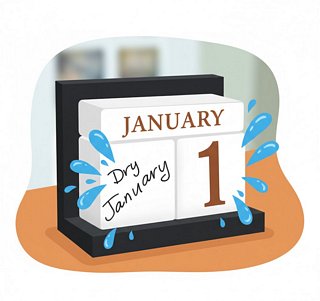 Dry January is marketed as a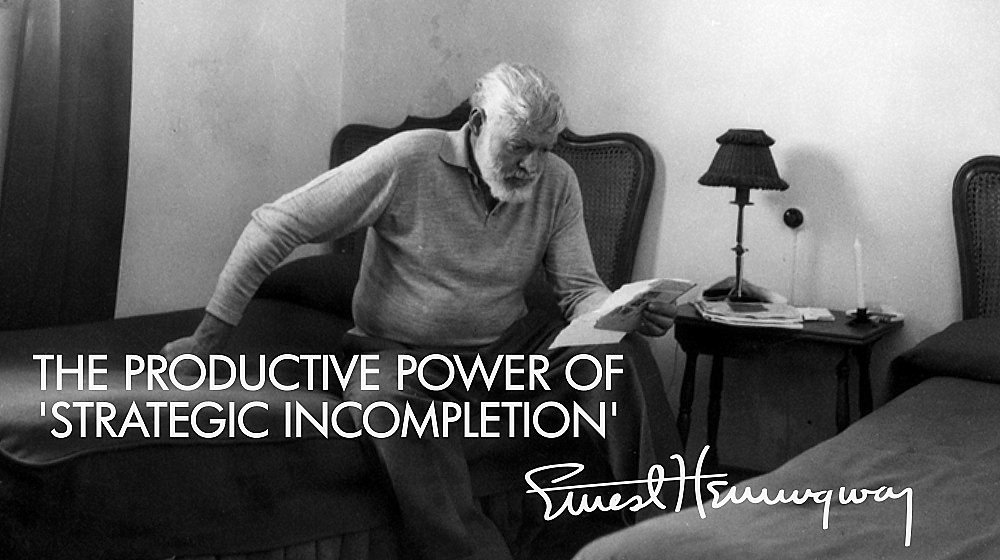

 Ever feel like you’re dragging into Monday, as if the weekend was just an extension of the same grind? Instead of a true break, we often swap weekday stress for a packed schedule of chores and errands, never fully switching off mentally. A weekend meant to be restorative instead becomes
  Getting started is often the hardest part of anything truly worth doing.
 Bestselling author
  At its core, self-help isn’t a flawed concept, but its portrayal often deserves scrutiny: the self-help culture tends to foster an unrealistic belief in our ability to attain perfection.
 At the beginning of the year, we all get hyped up with that whole “New Year, New Me!” vibe. But once the confetti settles, our resolutions crash and burn faster than a balloon with a slow leak. Come end of January, we’re like, “What resolutions?”