 In 2012, Google’s Project Aristotle set out to discover what makes teams effective. After studying hundreds of its own, the research identified five key traits. The most critical? Psychological safety.
Psychological safety is the foundation of high-performing teams. It means you can speak up, share ideas, and take risks without fear of ridicule or punishment. In these environments, openness isn’t optional—it’s expected. Creativity and collaboration thrive because people aren’t afraid to contribute.
The opposite is true in fear-driven cultures. In rigid, hierarchical environments, challenging the status quo risks backlash. Employees play it safe, innovation dries up, and self-preservation replaces bold thinking.
Teams that foster psychological safety communicate more openly, innovate faster, and recover better from mistakes. They ask questions, seek feedback, and view failure as a necessary step toward growth.
Idea for Impact: Managers shape this environment. Leading with vulnerability, welcoming tough conversations, encouraging every voice, and rewarding smart risks are not extras—they are essential. Respect must stay at the core.
 It’s not pressure that breaks people—it’s pretending it isn’t there. Your job isn’t to shield your team from pressure, but to sharpen their
  Some managers inspire loyalty. Others, despite good intentions, slowly drain morale. This isn’t about tyrants—it’s about the well-meaning but unaware. If your team looks tense every Monday, there’s probably a reason.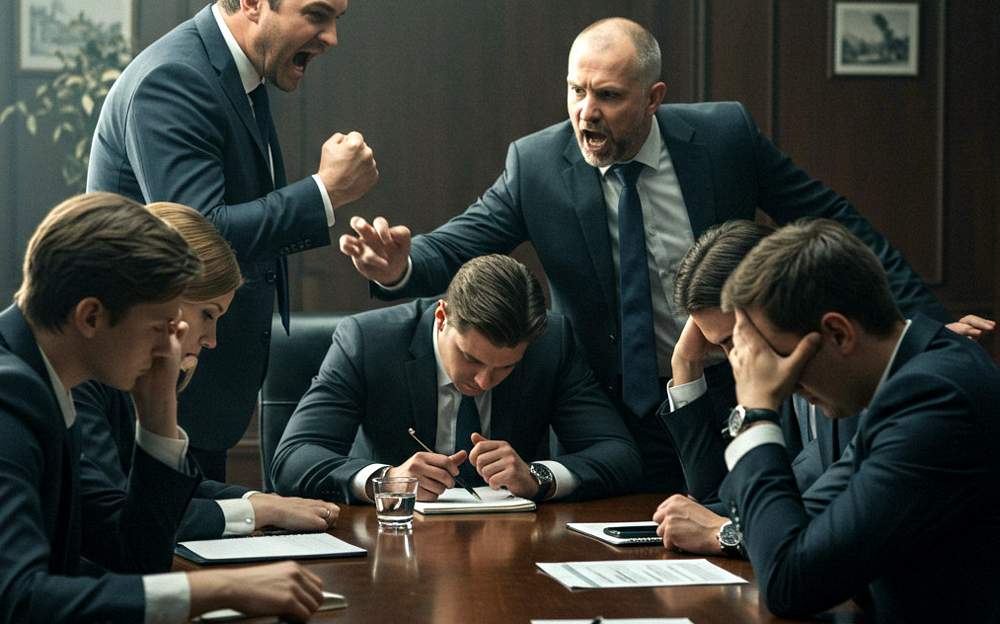
 Encouraging someone to “just be positive” during tough times can inadvertently overlook the complexity of their situation and the depth of their emotions.
 When team members come to you with problems, resist the urge to jump straight into “fix-it” mode. It’s a common reflex, but it can
  There are numerous
  Many organizations swear by a
 Delegation is crucial but