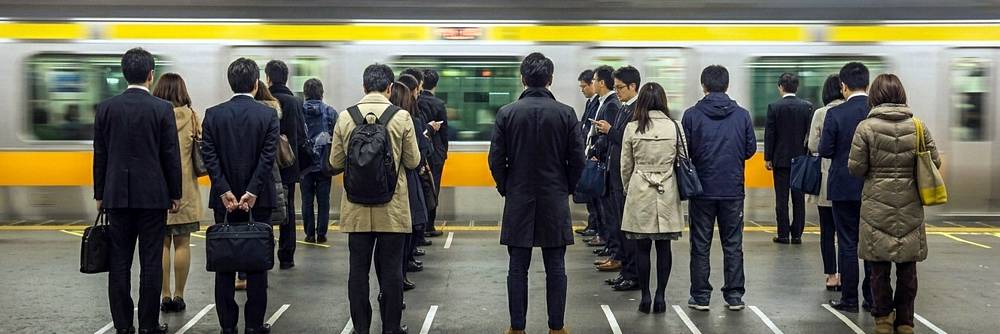
When you land in Japan, the first thing that strikes you is how people move. Commuters form orderly lines without instruction, and streets stay clean without anyone enforcing it. For an outsider, this level of coordination can feel uncanny. It isn’t the product of strict rules. It’s the result of haji, the social force of shame that quietly shapes daily life.
In the United States, shame is usually private, tied to personal identity. In Japan, it is relational. Haji is the awareness of being seen by others and the fear of letting them down. To bring shame on yourself is to lose standing within the group. In a culture where belonging carries deep weight, that loss is a powerful regulator of behavior.
You can see its influence in every shared space. The quiet train car and spotless sidewalk aren’t maintained by surveillance. They exist because millions of people choose not to be the one who disrupts them. The concept of meiwaku‘causing trouble or inconvenience to others’captures this instinct. Avoiding meiwaku is not just politeness. It is a social duty, and failing it affects both how others see you and how you see yourself.
The strength of that duty becomes most visible when the stakes rise. After the 2011 earthquake and tsunami, the world expected the familiar aftermath of catastrophe: panic, looting, and the breakdown of social norms. Instead, shelters remained calm. People waited for hours for food and water in quiet, patient lines. Volunteers organized themselves with minimal direction. Even in grief and uncertainty, the priority was not to burden others. The same forces that keep a train car silent held an entire society together when everything else was collapsing.
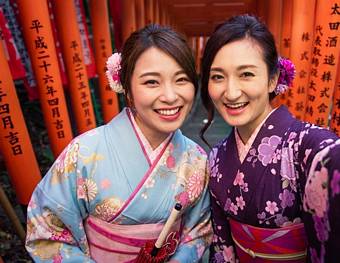 This sensitivity to the collective extends to personal presentation. Showing up in public looking careless is not treated as an individual choice. It signals a lack of respect for the shared environment. A woman who refuses to leave home without makeup may not be driven by vanity. She is fulfilling her role in maintaining the atmosphere around her. In this context, standing out in the wrong way is not just embarrassing. It is a social injury that can be difficult to repair.
Applied across generations, this system produces a society that largely governs itself. But it also carries hidden costs. For some, the pressure to conform becomes unbearable. The phenomenon of hikikomori, in which people withdraw entirely from social life, affects an estimated one million Japanese. Workplace burnout is widespread. Younger generations are increasingly questioning the expectations their parents accepted without hesitation. The system is effective, but it is not without strain.
Haji offers a different answer to the question of what holds a society together. In the American model, order depends on law and individual rights. In Japan, it rests on the belief that everyone in a shared space has a claim on how that space feels.
Idea for Impact: Dignity isn’t only something you owe yourself. It’s something you owe everyone around you.
Leave a Reply