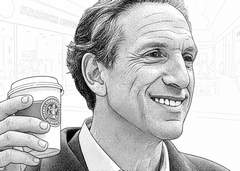
 When Howard Schultz returned to Starbucks in 2008, the company had lost its way. Growth had diluted identity. Speed had replaced craft. The brand that once promised connection now delivered convenience and little else.
On February 26, 2008, Schultz did something that seemed irrational: he closed every U.S. store for three hours. Not for repairs or inventory, but for what he called “Espresso Excellence Training.” Baristas relearned techniques they theoretically already knew. The exercise cost millions in lost revenue and created logistical chaos.
But the closure wasn’t really about espresso technique. It was theater—costly, deliberate, impossible to ignore. Schultz understood that people respond more to symbolic gestures than operational memos. The shutdown sent a signal to employees that their craft mattered, to customers that quality was non-negotiable, and to the market that Starbucks was serious about transformation. (Schultz’s bestseller, Onward: How Starbucks Fought for Its Life without Losing Its Soul (2011; my summary,) chronicled his return to rescue the brand from soulless expansion.)
This was behavioral economics in practice. The cost itself created credibility. A free training video would have been dismissed. A nationwide closure commanded attention. Employees didn’t just learn—they felt reinitiated into something larger than themselves. Customers saw commitment dramatized in real time.
Schultz wrapped the move in grand language about “reigniting emotional attachment” and “restoring the soul of the company,” which skeptics could dismiss as corporate rhetoric. But the gesture worked precisely because it backed those words with tangible sacrifice. Starbucks wasn’t just talking about quality. It was paying for the privilege of proving it.
His genius wasn’t in perfecting the espresso overnight. It was in creating a moment that reframed the entire brand in people’s minds. In a culture dulled by incremental compromise, Schultz demonstrated that renewal sometimes requires a dramatic pause—a costly signal that declares, “We begin again.”
Idea for Impact: The most effective resets aren’t always operational. Sometimes they’re theatrical, turning transformation into something people can see, feel, and believe.
Leave a Reply