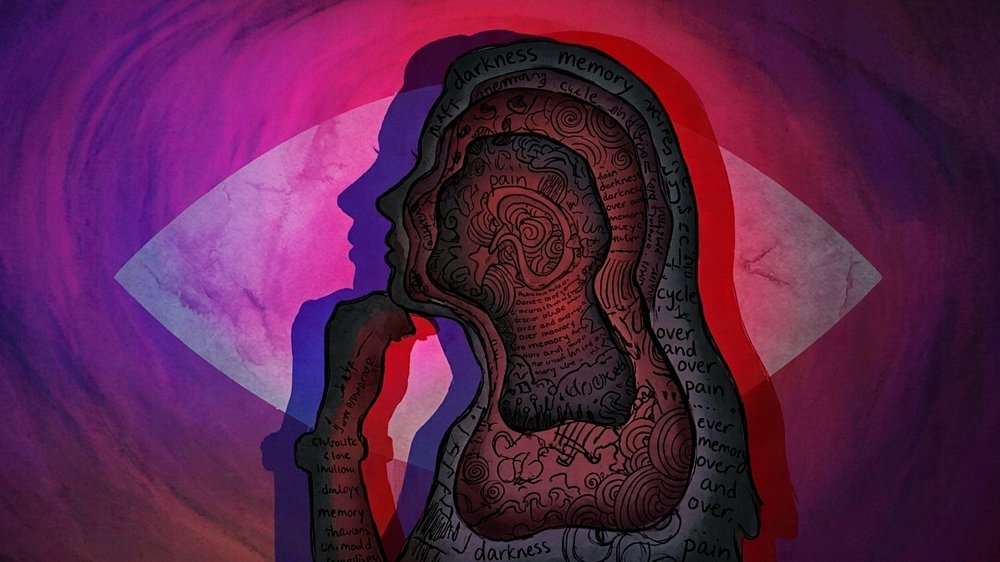
You know the loop. A mistake at work you keep revisiting, an argument you can’t let go of, a comment that landed wrong—and suddenly you’ve lost an hour to the same reel on repeat. The instinct is to shut it down. But the harder you push, the louder it gets.
This is a misreading of what’s happening. Rumination isn’t random noise. The thoughts that return most insistently—replaying the same moments of doubt or shame—aren’t misfires. They’re signal fires, burning because something underneath hasn’t been tended to. To silence a thought is to grant it immortality. To examine it is to give it a chance to die.
So the goal isn’t to switch the alarm off. It’s to find the fire. Once you understand what a spiral is actually about—what older wound or unresolved fear it keeps circling—you can address the source rather than swat at the symptom. The cure for worry is not suppression but comprehension; the mind is less tyrant than teacher.
And once you start treating your thoughts as messengers rather than enemies, something shifts. The same mental energy that pulls you into a spiral can pull you out. Ignore the signal and it loops. Decode it and it moves.
Idea for Impact: Your darkest thought loops aren’t evidence of a broken mind. They’re dispatches from unfinished business. The work mistake you keep revisiting may not be about incompetence—it may be about a much older fear of not being enough. That’s where the real work is. Stop asking “why am I like this” and start asking “what is this pointing at?” To banish a thought is to give it sanctuary. Better to interrogate it until it confesses.
Leave a Reply