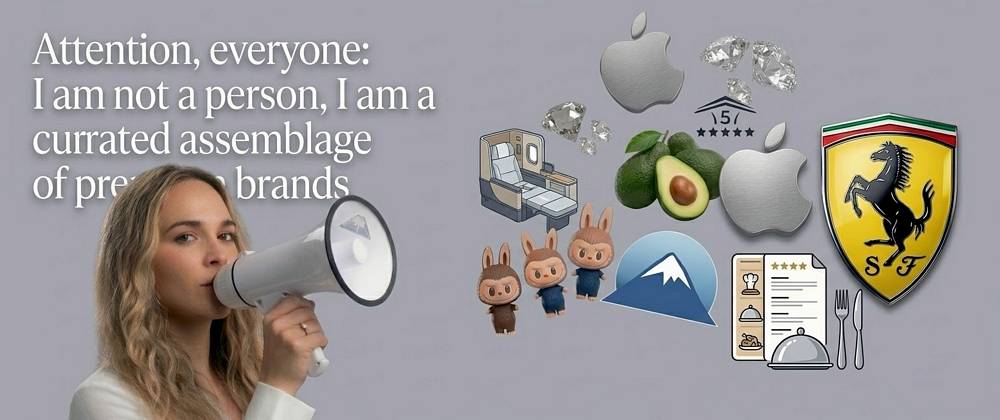
Humans don’t buy products; we buy meanings. We buy the stories they enable.
A bottle of water isn’t just hydrogen and oxygen, a car isn’t merely metal and rubber, and a watch isn’t simply a timekeeping device. Each is a symbol, a narrative woven into our identity and sense of belonging. This overlooked truth separates thriving businesses from those that remain baffled by their own mediocrity.
Perceived value is never inherent. It is constructed—stitched together from beliefs, culture, and the stories we embrace. The sharpest business minds know this. Their task isn’t to build better mousetraps but to craft better stories about what catching mice means for your life. The mousetrap itself is fine, but the story is what makes people feel clever for buying it.
We Pay for the Theatre of Belief and Never Leave the Stage
Take a transatlantic flight. The plane’s trajectory remains the same whether you’re in economy or business class, the destination identical, the arrival time unchanged. Yet a business class ticket can cost multiples more. On a daytime flight from Europe to America the extra space, the lie-flat seat, upgraded meal, and other privileges hardly justify the astronomical difference. But business class isn’t about logical utility; it’s about meaning. Business class sells a story of privilege, importance, exclusivity.
Diamonds illuminate this truth with particular clarity. Chemically, they’re just carbon atoms—the same element found in pencil lead. The modern consumer diamond market was manufactured by De Beers through strategic advertising that equated diamonds with eternal love. “A Diamond is Forever” didn’t sell jewelry; it sold the idea that love could only be properly expressed through this particular mineral. Without that narrative, diamonds would command a fraction of their current value. The marketing didn’t change the product. It changed what the product meant.
Consider bottled water. Costco’s Kirkland brand and Fiji both deliver H2, both hydrate identically, yet one commands triple the price. The difference isn’t molecular. Fiji sells a story of remote islands and untouched purity, a narrative of exotic sophistication combined with that iconic square bottle. Kirkland sells practicality and value. Same function, different meanings, vastly different prices. The premium isn’t for better water; it’s for a better story about the water.
We Buy Alignment With Our Values, Not the Objects Themselves
Designer sneakers often lack the technical engineering of mid-level performance brands like Brooks, Saucony, or ON, yet they command a much higher price because you aren’t paying for superior support—you’re paying for a story of status. While both enable walking, the designer pair sells the feeling of belonging to an elite group. By creating artificial scarcity through limited releases, the industry ensures that consumers aren’t just buying footwear; they are buying the ability to signal cultural cachet. People camp outside stores or pay resellers double not because the shoes perform better, but because owning them means something. The shoe is less about walking and more about being seen walking.
Avocados provide another case study in narrative survival, transforming from the obscure “alligator pear” to a global brunch staple through a calculated shift in story. The fruit didn’t change, but our perception of it did. By rebranding its high fat content as “heart-healthy” and positioning the fruit as a “superfood” central to the aspirational, Instagram-worthy lifestyle, savvy marketers moved avocados beyond the produce aisle. They became a signal of participation in a cultural moment—an alignment with contemporary values of wellness and sophistication. They aren’t just selling produce; they are selling a badge of modern identity.
The most successful businesses understand they’re not in the business of making things; they’re in the business of making meaning. Apple doesn’t just sell hardware; it sells the identity of the creative rebel. Rolex doesn’t sell mere timekeeping; it sells a “talisman of achievement”—a Swiss-engineered symbol of having “arrived” that carries far more weight than its ability to track seconds.
And Louis Vuitton doesn’t sell leather goods; it sells a 170-year-old story of “the art of travel” and global cultural status. These companies invest more in crafting narratives than in incremental product improvements because they understand that in a crowded market, real value isn’t manufactured—it’s felt. In each case, the product is merely the vehicle through which the story is delivered.
The Product is Ordinary; The Story Makes it Priceless
Meaning is the true currency of value. This understanding transforms both commerce and consumption. For businesses, product features matter less than the meaning attached to them. For consumers, recognizing that we buy stories rather than products invites more mindful purchasing. Often, the story we’re buying doesn’t deliver what it promises, or we realize we never needed that particular narrative in the first place.
Value is all in what we believe. Economy or business class, Kirkland or Fiji water, plain carbon or diamonds—it’s the story we buy into. And in business, that story is everything. Understanding this fundamental truth is key to both successful commerce and more mindful consumption. Every purchase is ultimately an act of belief, a decision about which stories deserve a place in the autobiography we’re constantly writing through our choices.
Leave a Reply