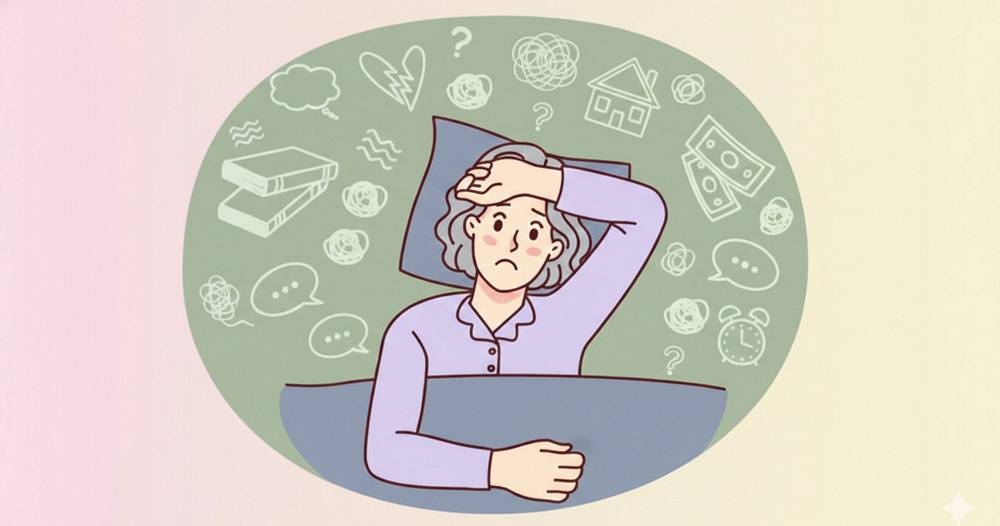

We inflict most of our own pain by demanding that life conform to rigid “shoulds” and “oughts.” When reality deviates from our blueprint, catastrophic thinking rushes in—our minds leap to worst-case scenarios, convinced disaster’s just around the corner. This relentless effort to control every outcome breeds anxiety, as if molding the world to match our expectations were the only path to peace.
Suffering starts to ease the moment we revise those demands. Instead of “This must happen or I’m ruined,” try, “It’d be wonderful if X occurs, but I can accept Y—or even live with Z.” By entertaining alternatives, we loosen the grip of absolute expectations. We still hope for the best, but we don’t have to equate disappointment with devastation. This subtle cognitive shift transforms “inevitable disaster” into “manageable setback.”
Ancient philosophies offer a map. The Stoics tell us to focus on what’s within our control—our judgments and actions—and accept everything else as indifferent. Buddhists teach the value of non-attachment and remind us that everything’s impermanent. When we adopt these perspectives, even the worst-case scenario loses its sting. By surrendering the illusion of total control, we free up emotional energy—for resilience, for creativity, and for peace.
We suffer most not from fate, but from the fiction of our “oughts”—ever demanding, always disappointed. The world doesn’t bend to our will, and that’s perfectly fine.
Idea for Impact: Once we stop insisting reality follow our script, we discover something unexpected: the freedom to work with what actually is, rather than what we insisted should be.