• Skip to content
  • Skip to primary sidebar

Right Attitudes

Ideas for Impact

Drop the Weasel Words, Stop Dodging Responsibility

May 27, 2026 By Nagesh Belludi Leave a Comment

Drop the Weasel Words, Stop Dodging Responsibility

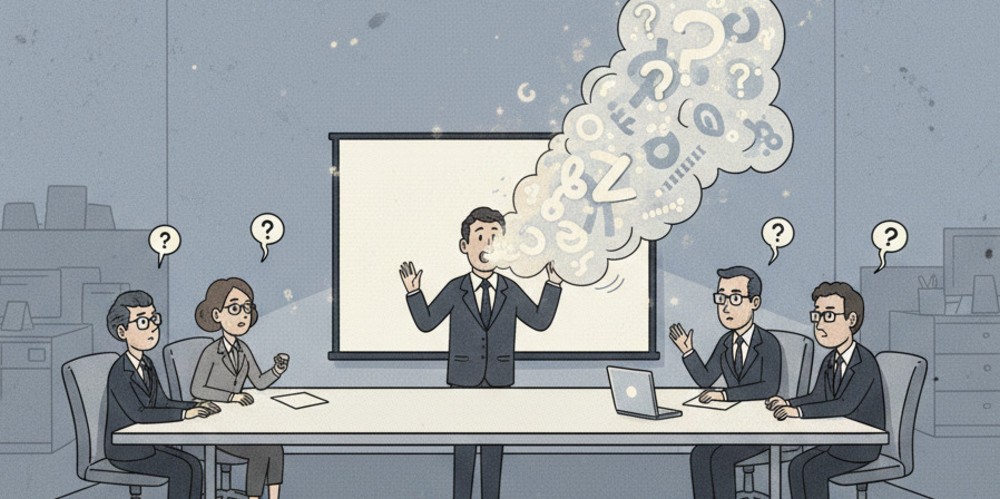
Evasion thrives on language. Certain phrases—polished by repetition—provide effortless escape routes, shielding their users from accountability. They slide into conversations unnoticed, sidestepping responsibility with practiced ease. When deployed often enough, they wear down trust, undermining reliability in subtle but corrosive ways.

Each phrase serves a single purpose: distancing the speaker from obligation while maintaining a veneer of politeness. These verbal smoke screens allow people to deflect, delay, and deny without facing consequences. Here are the worst offenders:

  • “To be perfectly honest with you…” Honesty shouldn’t require a preamble. If truth arrives only with formal introduction, past statements lose credibility.
  • “The powers that be…” Responsibility dissolves in vague authority. Decisions happen elsewhere, beyond reach, beyond question—at least, that’s the claim.
  • “I haven’t found the time…” Priorities dictate time. Saying it was “lost” suggests the task never ranked high enough to matter.
  • “I’ll try.” A non-commitment disguised as cooperation. Effort remains optional, and results remain unlikely.
  • “I assumed.” Mistakes gain plausible deniability. Responsibility shifts from action to expectation, leaving errors conveniently unclaimed.
  • “It fell through the cracks.” No culprit, no specifics, no accountability. The failure materialized from nowhere, slipping conveniently beyond control.
  • “That’s not my job.” A boundary or a refusal, depending on intent. Some use it to reinforce roles, others to shut down solutions.
  • “That’s how it’s always been done.” Progress stalls under tradition. Familiar methods persist not because they work, but because they require no additional thought.
  • “I thought someone else was going to do it.” Responsibility drifts into ambiguity. Assignments remain unspoken, mistakes unclaimed, and problems unresolved.
  • “It’s not my fault.” Self-preservation trumps accountability. Whether justified or not, the phrase stops conversation, leaving solutions to others.

Excuses, repeated often enough, turn into habits. They chip away at trust, undermining credibility with each polished deflection. Those who reject these verbal crutches stand out. They take ownership, respect time, and tackle problems without hiding behind empty phrases.

Language shapes perception. When used honestly, it clarifies. When used to evade, it obscures. Avoidance doesn’t erase responsibility—it only delays the moment when consequences arrive.

Wondering what to read next?

  1. Avoid Control Talk
  2. What Jeeves Teaches About Passive Voice as a Tool of Tact
  3. How to … Avoid Family Fights About Politics Over the Holidays
  4. The Sensitivity of Politics in Today’s Contentious Climate
  5. How to … Address Over-Apologizing

Filed Under: Effective Communication, Managing People, Sharpening Your Skills Tagged With: Assertiveness, Change Management, Conflict, Conversations, Delegation, Etiquette, Getting Along, Manipulation, Persuasion, Social Life

Reader Interactions

Leave a Reply Cancel reply

Your email address will not be published. Required fields are marked *

Primary Sidebar

Popular Now

Anxiety Assertiveness Attitudes Balance Biases Coaching Conflict Conversations Creativity Critical Thinking Decision-Making Discipline Emotions Entrepreneurs Ethics Etiquette Feedback Getting Along Getting Things Done Goals Great Manager Innovation Leadership Leadership Lessons Likeability Mental Models Mindfulness Motivation Parables Performance Management Persuasion Philosophy Problem Solving Procrastination Psychology Relationships Simple Living Social Skills Stress Suffering Thinking Tools Thought Process Time Management Winning on the Job Wisdom

About: Nagesh Belludi [hire] is a St. Petersburg, Florida-based freethinker, investor, and leadership coach. He specializes in helping executives and companies ensure that the overall quality of their decision-making benefits isn’t compromised by a lack of a big-picture understanding.

Get Updates

Signup for emails

Subscribe via RSS

Contact Nagesh Belludi

RECOMMENDED BOOK:
How Adam Smith Can Change Your Life

How Adam Smith Can Change Your Life: Russ Roberts

EconTalk podcast host Russ Roberts on how morality comes from imagining being judged by our fellow man. A rendition of Adam Smith's Theory of Moral Sentiments.

Explore

  • Announcements
  • Belief and Spirituality
  • Business Stories
  • Career Development
  • Effective Communication
  • Great Personalities
  • Health and Well-being
  • Ideas and Insights
  • Inspirational Quotations
  • Leadership
  • Leadership Reading
  • Leading Teams
  • Living the Good Life
  • Managing Business Functions
  • Managing People
  • MBA in a Nutshell
  • Mental Models
  • News Analysis
  • Personal Finance
  • Podcasts
  • Project Management
  • Proverbs & Maxims
  • Sharpening Your Skills
  • The Great Innovators

Recently,

  • Drop the Weasel Words, Stop Dodging Responsibility
  • Excellence Breeds Elitism If Left Unchecked: A Delta Air Lines Case Study
  • Inspirational Quotations #1155
  • The Cult of Celebrity Habits
  • Lessons from the US Big 3 Airlines’ Spat with Middle Eastern Carriers: When You Fight From Weak Ground, You Become the Story
  • The Bookend Rule (or ’10–80–10′ Rule) of Delegation
  • Inspirational Quotations #1154

Unless otherwise stated in the individual document, the works above are © Nagesh Belludi under a Creative Commons BY-NC-ND license. You may quote, copy and share them freely, as long as you link back to RightAttitudes.com, don't make money with them, and don't modify the content. Enjoy!