When an organization stops trying to be the best and starts acting like it already is, it risks trading a culture of excellence for a culture of elitism. In that shift, the humility that once balanced its power is lost, replaced by a cold, mechanical belief that the summit has already been reached and there’s nothing left to learn.
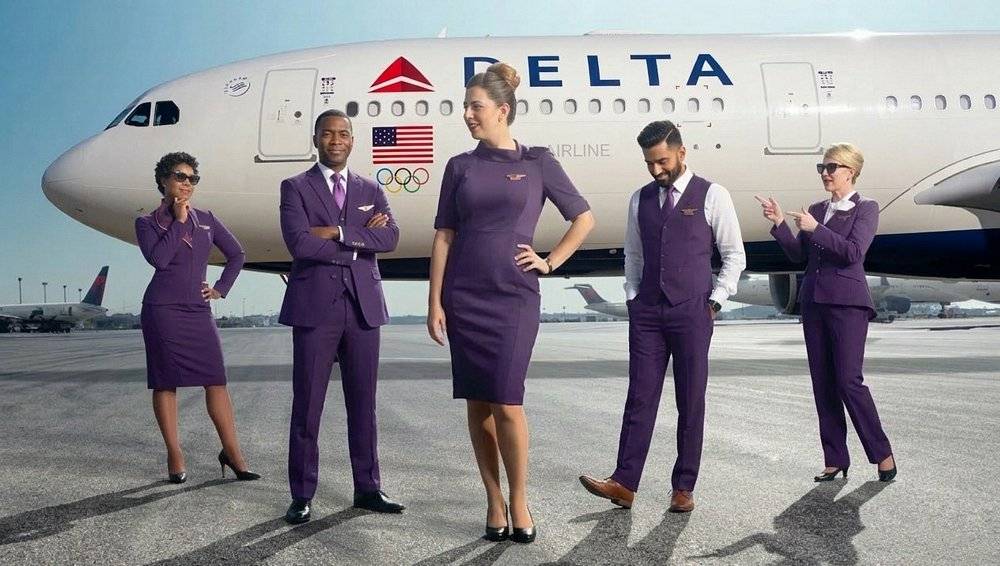
Delta Air Lines illustrates this paradox. For decades, the “Delta Difference” was defined by humility and proactive service. Yet as Delta has ascended to become the undisputed financial juggernaut of the American skies, a cultural transformation seems to have taken root—one that many frequent flyers believe has fundamentally altered the airline’s identity.
Longtime patrons feel the undertone of service has shifted. There are still wonderful people working at the airline, but the warmth and flexibility that once characterized the brand seem to have been replaced by a rigid, by-the-book mentality. The job gets done, and it gets done efficiently, but there’s a growing sense that the mission has moved from serving the public to protecting a system that can’t be questioned. Even veteran employees lament the change, attributing it to generational turnover—a sign of how deeply the transformation is felt inside the company.
This cultural hardening appears to start at the top and permeate every level of the organization. In almost every investor communication and quarterly earnings call, management begins with a variation of the same mantra: “Our people are the best in the business, and we are the best airline in the world.” While intended as a motivational tribute, this constant reinforcement seems to have created a dangerous echo chamber. This reliance on high-flown rhetoric reveals a management culture that prioritizes the perception of exclusivity over the actual delivery of a superior product, transforming the airline’s identity into an exercise in high-end brand gaslighting.
When an organization is told—and tells itself—that it’s peerless for too long, it can begin to believe its own hype. Delta uses highly curated, aspirational language to make standard flight components sound like luxury amenities; by slapping labels like “Comfort+” or “elevated dining” onto what are essentially industry-standard economy seats and boxed snacks, leadership has effectively decoupled their marketing from the actual passenger experience. By constantly repeating the narrative that they are the chosen ones, Delta seems to have triggered a tribal reflex in its staff. What began as a goal has shifted into an assumption, leading to a culture that can be dismissive of outside criticism and increasingly insulated from the reality of the average traveler’s experience.
This institutional ego is perhaps most visible in Delta’s stance on labor and its “union-free” pride. Company leadership frequently uses the absence of a union for flight attendants and ground crews as a badge of honor, claiming their culture is so superior it doesn’t require a third party to mediate. This sense of infallibility extends to the executive level’s revisionist history; the CEO famously insisted that the $12 billion in government aid Delta received during the COVID shutdown were not “bailouts” but “investments” or “job guarantees.” This “we know best, we do best” attitude filters down to the front lines, where employees are encouraged to be proud of the brand to the point of inflexibility with the people who pay to fly it.
Meanwhile, the premiumization and fare segmentation push seems to have ensured another, more insidious shift. The genius of Delta was once making people feel superior for flying them. Now, some perceive Delta as making people feel inferior for not spending enough—a sentiment fueled by moves like the radical overhaul of their loyalty program to favor only high-spenders, effectively telling loyal long-term flyers they weren’t “premium” enough. What was aspirational has become exclusionary, and the customer experience reflects that recalibration.
Delta would likely insist this isn’t arrogance but discipline—a bulwark against the commoditization of travel. By maintaining its status as a “Best Place to Work” (landing on the Glassdoor Top 100 in 2026, for example) and delivering record profits, the company may feel it has earned the right to be selective and firm. But Delta’s journey illustrates how easily that line can be crossed when success becomes self-reinforcing rather than self-reflective.
Idea for Impact: What starts as a culture of excellence inevitably risks hardening into a culture of elitism. That’s the paradox of success. Success tempts organizations to believe they have nothing left to prove. Delta’s transformation shows how quickly humility can erode when excellence turns into entitlement.
Leave a Reply