A rising trend in modern conversation reveals what I call “the hollow ring of assertive posturing.”
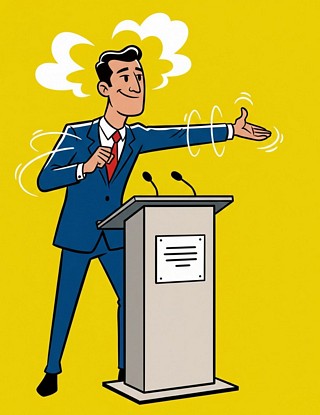 Phrases such as “look,” “here’s the deal,” and “here’s what you need to know” have become common preambles. Sometimes they’re harmless fillers, but often they’re micro-commands meant to seize the floor and project manufactured authority.
This isn’t persuasion—it’s performance. A quick scroll through YouTube offers highlight reels of career politicians trying to “level with you” or “look” you into submission while they stall for time.
At its core, this is linguistic puffery. These phrases act like verbal bookmarks, staking mental real estate before the speaker has earned it. When you lead with “look,” you’re issuing a command to the listener’s attention. It’s the conversational equivalent of chest-thumping—an attempt to project confidence that often exposes its opposite: insecurity.
These are power-seeking markers. A person truly confident in the weight of their ideas doesn’t need a siren or motorcade to announce them; they trust the substance to carry the room. Theatrical openers betray a fear that the point won’t stand on its own.
They also offer a shortcut to moral high ground.”here’s the deal” frames the speaker as the sole arbiter of truth, implying the listener lacks a grasp on reality. This doesn’t build consensus; it bypasses it.
And while preambles seize attention, closure phrases like “end of story” attempt to silence it. They don’t invite dialogue; they declare finality. Both moves expose the same insecurity: a fear that the ideas can’t withstand scrutiny.
The irony is that influence thrives on economy of language. Strip away the fanfare and you strip away the ego, leaving the listener to focus on the insight itself.
Idea for Impact: If your point holds weight, skip the theatrics. Speak plainly, and let the quiet strength of your ideas carry it.

 A lie is rarely noble. A truth without tact is often cruelty dressed up as virtue.
.jpg "'Invention A Life' by James Dyson (ISBN 1982188421)")
 Ryanair’s CEO Michael O’Leary has long been one of my most admired businessmen. His achievements speak for themselves, but what has always impressed me even more is the consistency of his communication and the clarity of the philosophy that underpins everything he does.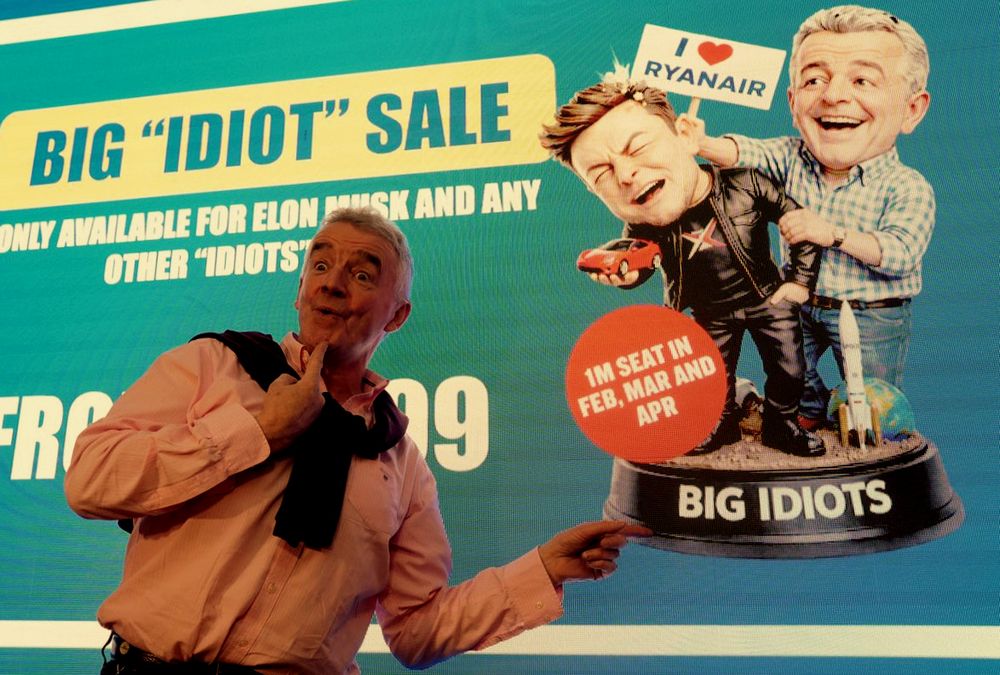
 His flair for humorous controversy goes back years. During a 2001
  In 2023, a video of the Dalai Lama interacting with a young boy at a public event in India ignited
  The new year marked
.jpg "'The Book of Human Emotions' by Tiffany Watt Smith (ISBN 0316265403)")