• Skip to content
  • Skip to primary sidebar

Right Attitudes

Ideas for Impact

Parables

The Mere Exposure Effect: Why We Fall for the Most Persistent

September 1, 2025 By Nagesh Belludi Leave a Comment

Repetition Until Enlightenment: The Mere Exposure Effect Explains Why We Fall for the Most Persistent

GEICO is renowned for its relentless and quirky advertising. Its auto insurance campaigns feature a memorable, rotating cast of mascots, most famously a talking gecko with a British accent proclaiming the catchy “15% in 15 minutes.” Also prominent are a group of cavemen, hilariously offended by the notion that buying insurance is “so easy, even a caveman could do it,” and a cheerful camel celebrating Hump Day. These ads are everywhere: television, radio, online—even pre-rolls before YouTube videos. The repetition isn’t accidental—it’s strategic. GEICO has laced its brand into consumers’ consciousness by brute repetition. We’re not so much convinced by GEICO as held hostage by its consistency. And it works. We know them. We might even trust them—begrudgingly.

That’s a prime example of the Mere Exposure Effect. Coined by psychologist Robert Zajonc, this mental model describes the human tendency to prefer things simply because we’ve encountered them before. It’s a cognitive shortcut: familiarity breeds comfort, and comfort breeds trust—not because the thing is better, but because it’s known.

Exposure: The Unseen Influence

Consider also the example of Empire Today, a company that sells installed carpet, hardwood, and vinyl flooring. But what it sells most effectively is its phone number. “800-588-2300 Empire Today!” is a jingle that’s been broadcast across U.S. television and radio since the 1970s. It’s not catchy in the traditional sense. It’s simply repeated so often that it becomes part of the mental wallpaper. We don’t need to know what Empire does to know how to reach them. That’s the power of exposure.

McDonald's McDonald’s has long leaned on jingles like “I’m Lovin’ It,” which, while not musically profound, have been repeated for decades. This repetition creates emotional anchoring. We associate the tune with the brand, and that association influences behavior. Ba-da-ba-ba-ba.

But repetition is a blade that dulls quickly. When exposure becomes saturation, we turn away. The trick is knowing when to stop before we reach for the mute button. This effect isn’t limitless—it’s a tightrope.

And it doesn’t just live in advertising. It’s stitched into daily life. We reach for the song we’ve played thirty times because it feels safe. We favor faces we recognize in crowds because unfamiliarity feels like risk. Familiarity smooths the world’s sharp edges. We call it instinct, but often it’s just recall with better PR.

How Repetition Rewires Your Preferences

We’re drawn not only to the thing itself, but to its repetition, its stability. Something consistent across time and place—same colors, same voice, same message—feels trustworthy. And when others start echoing that message, the effect deepens. Exposure transforms into consensus, and suddenly what’s familiar becomes what’s “right.”

We don’t choose what we like as much as we think. We gravitate toward what we’ve seen, heard, and scrolled past enough times for our brains to say, “Sure, why not.” The Mere Exposure Effect doesn’t shout—it accumulates. And by the time we realize how much it’s shaped our tastes, we’ve already bought in.

Idea for Impact: Familiarity breeds trust, often without scrutiny. Over-familiarity channels the lazy mind. We stop questioning not when we’re convinced, but when we’re accustomed.

Wondering what to read next?

  1. The Wisdom of the Well-Timed Imperfection: The ‘Pratfall Effect’ and Authenticity
  2. The Loss Aversion Mental Model: A Case Study on Why People Think Spirit is a Horrible Airline
  3. Airline Safety Videos: From Dull Briefings to Dynamic Ad Platforms
  4. Decoy Effect: The Sneaky Sales Trick That Turns Shoppers into Spenders
  5. Your Product May Be Excellent, But Is There A Market For It?

Filed Under: Business Stories, MBA in a Nutshell, Mental Models, Sharpening Your Skills Tagged With: Assertiveness, Biases, Communication, Creativity, Innovation, Marketing, Mental Models, Parables, Persuasion, Psychology

The Wisdom of the Well-Timed Imperfection: The ‘Pratfall Effect’ and Authenticity

August 4, 2025 By Nagesh Belludi Leave a Comment

The Wisdom of the Authentic Pratfall: How Imperfection and Honesty Build Real Connection

In a culture obsessed with flawless presentation, revealing one’s imperfections may seem risky. Yet it can be unexpectedly powerful. This paradox—where a minor misstep enhances likability—is known in psychology as the Pratfall Effect, a phenomenon explored by social psychologist Elliot Aronson in the 1960s. His research found that a small, harmless error, when made by someone already viewed as competent, could deepen that person’s appeal. Competence inspires admiration, but fallibility invites connection.

Aronson illustrated this effect through a clever experiment. Participants listened to audio recordings of quiz-show contestants: one confident and high-performing, the other more mediocre. In some versions, the contestant spilled coffee mid-interview—a minor blunder. The competent contestant’s likability surged after the incident. In contrast, the average one saw no such boost. The study’s insight was precise: credibility sets the stage, but imperfection activates charm. Without initial competence, a flaw simply reads as failure.

The term Pratfall comes from slapstick comedy—a clumsy tumble played for laughs. But in the context of psychology, it gestures toward something more revealing: perfection creates distance. It can feel untouchable, even intimidating. A stumble, however slight, signals humanity. We feel closer not when others perform flawlessly, but when they allow their guard to drop.

Imperfect, Therefore Credible: When Admitting Weakness Builds Trust

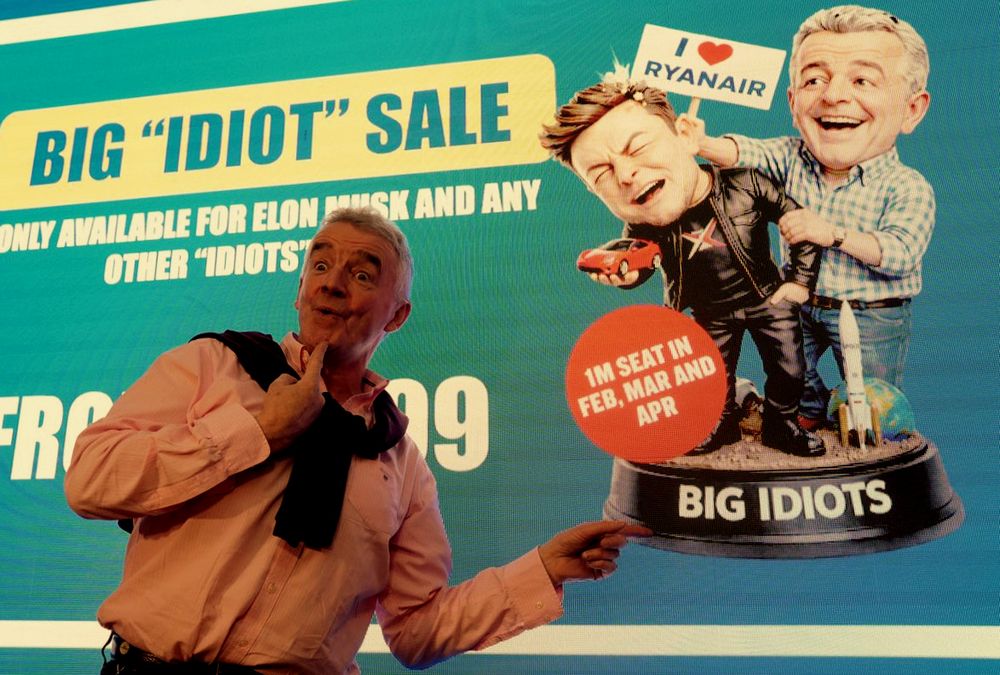
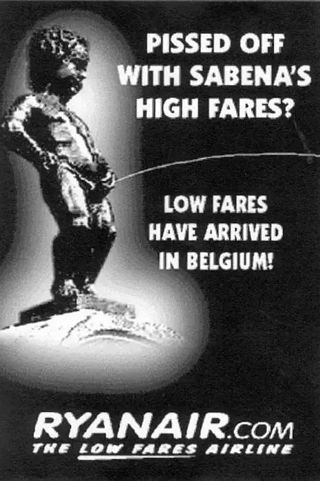
Beyond Flawless: How Imperfection Boosts Appeal, Featuring Unilever's Real Beauty Revolution Marketers have adapted this insight with varying degrees of boldness. Dove, the personal care brand under Unilever, redefined beauty norms by spotlighting authenticity. Its “Real Beauty” campaign intentionally moved away from airbrushed models and showcased everyday bodies in ways that emphasized inner confidence and natural grace. Footwear retailer Zappos, known for its customer service ethos, leaned into its imperfections—openly acknowledging logistical hiccups and turning transparency into a form of customer intimacy. Ryanair, the European budget airline, took a more sardonic approach: it flaunts its no-frills discomfort, mocks traditional notions of luxury, and builds loyalty by refusing to pretend it was anything other than economical. Across these cases, flaws—whether candid or stylized—became signals of integrity.

For Ryanair especially, naming its limitations worked to clarify its priorities. Legroom may be tight, amenities scarce—but the promise of low fares and operational efficiency remained untouched. By owning its tradeoffs, the airline avoided suspicion. Concealment breeds doubt. Disclosure builds trust.

There’s also rhetorical value in this strategy. When a brand confesses to a shortcoming, it earns credibility—positioning itself to be believed when making a claim. Guinness, once hampered by delays in delivery, recast the wait as part of its charm with the tagline “Good things come to those who wait,” transforming patience into a premium. Stella Artois, a Belgian lager with upscale branding, embraced its high price point with “Reassuringly Expensive”—suggesting quality rather than excess. Lyons, a tea brand rooted in Irish tradition, celebrated its product not as a daily necessity but as a gentle, well-deserved indulgence. In each case, marketers found strength not by dodging imperfection, but by weaving it into the narrative.

Still, the Pratfall Effect has its internal tensions. Within corporate settings, the incentives that shape messaging can clash with those that govern individual risk. What elevates the brand might jeopardize the marketer. Vulnerability can look bold on a campaign brief but risky on a performance review. If an attempt at candor falters, it may be viewed as recklessness. In such environments, polish prevails.

In Business and Life, Curated Imperfection Creates Shared Meaning, Not Just Market Advantage

Some brands opt out entirely. Chanel and Lexus, for instance, present pristine identities that avoid the pratfall’s logic. Chanel tells stories of timeless elegance—floating above everyday context, immune to blemish. Lexus, Toyota’s luxury arm, relies on precision and craftsmanship. Their appeal stems from aspiration, not relatability. To these brands, imperfection risks dilution; their value proposition hinges on exclusivity, not accessibility.

Embrace Your Pratfall: How Mistakes and Authenticity Build Connection Yet the Pratfall Effect isn’t limited to marketing. It manifests in the more intimate moments of daily life. In romance, a small confession can melt emotional distance. In job interviews, an honest error, paired with thoughtfulness, can signal growth and humility. The fusion of capability and candor conveys something rare: a confidence that doesn’t rely on control.

This balancing act—practicing vulnerability without artifice—reveals character. Perfection, though impressive, can feel sterile. What persuades is often more textured: a self-aware flaw, deliberately shared, speaks volumes. It’s not an apology. It’s a quiet assurance that there’s nothing to hide. In this way, imperfection becomes a bridge—connecting people not by virtue of polish, but through the unmistakable resonance of being real.

Wondering what to read next?

  1. The Mere Exposure Effect: Why We Fall for the Most Persistent
  2. Decoy Effect: The Sneaky Sales Trick That Turns Shoppers into Spenders
  3. Airline Safety Videos: From Dull Briefings to Dynamic Ad Platforms
  4. The Loss Aversion Mental Model: A Case Study on Why People Think Spirit is a Horrible Airline
  5. What Virgin’s Richard Branson Teaches: The Entrepreneur as Savior, Stuntman, Spectacle

Filed Under: Business Stories, MBA in a Nutshell, Mental Models, Sharpening Your Skills Tagged With: Assertiveness, Biases, Creativity, Critical Thinking, Likeability, Marketing, Parables, Personality, Persuasion, Psychology, Simple Living

What Virgin’s Richard Branson Teaches: The Entrepreneur as Savior, Stuntman, Spectacle

August 1, 2025 By Nagesh Belludi Leave a Comment

'The Virgin Way' by Richard Branson (ISBN 1591847982) Read any biography of Richard Branson, the flamboyant founder of the Virgin Group, and you’ll find that risk and unpredictability are his most loyal allies. His theatrics routinely turn heads and dominate headlines.

In 2002, Branson staged a media spectacle by descending onto New York’s Times Square via crane for a “Full Monty”-inspired launch of Virgin Mobile’s pay-as-you-go service. He stripped down—though he was actually wearing a muscle-man bodysuit—with only a Virgin cell phone concealing his essentials. The campaign was unapologetically loud, engineered for maximum attention.

It wasn’t his first Times Square spectacle: in the ’90s, he drove a tank through the square to promote Virgin Cola and orchestrated the demolition of a Coca-Cola billboard. The stunt captured his belief in the value of attention at any cost. In 2022, he parked a 70-foot rocket in Times Square to announce Virgin Orbit’s IPO. The gesture remained theatrical and precisely engineered to spark headlines. In 1996, to launch Virgin Brides and enter the bridal wear market, Branson shaved off his signature beard and appeared in a full white wedding gown.

Richard Branson's Times Square Underwear Stunt Launched Virgin Mobile with a Media Frenzy Virgin Cola flopped. So did Virgin Mobile. And Virgin Brides. But the stunts succeeded. Each one defied convention and lodged itself in public memory with theatrical flair.

Branson’s bold moves demonstrate how spectacle and risk can redefine brand identity. He sees what many executives miss.

  • Break the Mold: Reject familiar tactics and command attention.
  • Embrace the Spotlight: Use charisma to connect and leave an impression.
  • Stage the Frenzy: Design moments that ignite buzz and build conversation.

Idea for Impact: Branson doesn’t just sell mobile plans, soft drinks, bridal wear, or transatlantic flights. He sells himself and the Virgin brand. The identity is loud, unmissable, and opposed to moderation. Authenticity, when wielded boldly, can transform even fleeting gestures into lasting impact.

Wondering what to read next?

  1. Sock Success: How THORLO’s Customer Focus Led to Big Wins
  2. HP’s “Next Bench” Innovation Mindset: Observe, Learn, Solve
  3. FedEx’s ZapMail: A Bold Bet on the Future That Changed Too Fast
  4. How FedEx and Fred Smith Made Information the Package
  5. The Mere Exposure Effect: Why We Fall for the Most Persistent

Filed Under: Business Stories, MBA in a Nutshell, The Great Innovators Tagged With: Creativity, Entrepreneurs, Icons, Innovation, Likeability, Marketing, Mental Models, Parables, Personality

Flying Cramped Coach: The Economics of Self-Inflicted Misery

July 3, 2025 By Nagesh Belludi Leave a Comment

Flying Cramped Coach: Economics of Self-Inflicted Misery I fly often. I’m in airports often. And I’m consistently amazed at the plaintive bleating from the rear of the aircraft—as if indignity were somehow sprung upon them unannounced. But no one ends up in seat 36B by accident. Airlines today offer a deeply tiered experience—you’re not just buying a ticket; you’re buying the version of reality you’re willing to endure.

At the heart of aviation lies the cold arithmetic of skybound economics. Premium-class offerings fund the airline. Their plush seats, elevated service, and eye-watering prices (often paid for by employers) generate the profits that justify the entire operation. Coach serves as flying ballast—necessary, but optimized for volume rather than value. Every inch is monetized; every amenity, unbundled.

And flying passengers isn’t even where the real money is. Airlines have discovered that their most lucrative business model isn’t in the skies—it’s in your wallet. Delta pulls in nearly $7 billion a year from its partnership with American Express. American Airlines sees even greater windfalls, with co-branded credit card deals expected to generate $10 billion annually, adding $1.5 billion to pre-tax income. In some quarters, the frequent flyer program outperforms the flying business itself. Your loyalty is more valuable than your seat.

So when the knees start knocking in economy, remember: that seat wasn’t designed for your comfort. It was engineered for margins. Flying economy dares you to expect less—for less. It strips away the last pretenses of customer care and replaces them with transactional realism.

The harsh truth is that airlines have worked—and are still working—very hard to normalize a flying experience where discomfort isn’t just endured, but willingly bought at a discount. They offer precisely the misery we’ve paid for, right down to the punitive carry-on policy and the millimeter of missing legroom. To complain after the fact is to weep at the altar of one’s own bargain-hunting.

Wondering what to read next?

  1. The Loss Aversion Mental Model: A Case Study on Why People Think Spirit is a Horrible Airline
  2. Airline Safety Videos: From Dull Briefings to Dynamic Ad Platforms
  3. The Mere Exposure Effect: Why We Fall for the Most Persistent
  4. What Taco Bell Can Teach You About Staying Relevant
  5. Make ‘Em Thirsty

Filed Under: Business Stories, MBA in a Nutshell, Mental Models Tagged With: Aviation, Customer Service, Decision-Making, Innovation, Marketing, Negotiation, Parables, Persuasion, Psychology

Optimize with Intent

June 26, 2025 By Nagesh Belludi Leave a Comment

The Effectiveness-Efficiency Balance: Optimizing with Purpose Cutting tennis balls in half might let you store more in a standard 3-ball tube, but the sacrifice is stark.

Effectiveness is achieving what you set out to do. Efficiency is how well you use your resources. Efficiently wrong is still wrong.

Idea for Impact: Optimize with purpose. Innovation must support your objective without undermining it.

Wondering what to read next?

  1. Overcoming Personal Constraints is a Key to Success
  2. Restless Dissatisfaction = Purposeful Innovation
  3. Kickstart Big Initiatives: Hackathons Aren’t Just for Tech Companies
  4. The Mere Exposure Effect: Why We Fall for the Most Persistent
  5. Constraints Inspire Creativity: How IKEA Started the “Flatpack Revolution”

Filed Under: Business Stories, MBA in a Nutshell, Mental Models, Sharpening Your Skills Tagged With: Biases, Critical Thinking, Goals, Innovation, Mental Models, Parables, Problem Solving, Targets

How FedEx and Fred Smith Made Information the Package

June 25, 2025 By Nagesh Belludi Leave a Comment

How FedEx and Fred Smith Made Information the Package Fred Smith, who died Sunday, leaves behind more than a logistics empire—he leaves a template for how information shapes the physical world.

Best known as the founder of Federal Express (now FedEx) and father of overnight delivery, Smith also introduced the hub-and-spoke model that transformed global shipping. But it was a lesser-known insight that arguably reshaped the industry most fundamentally: “The information about the package is as important as the package itself.”

First expressed in the late 1970s, the statement read as a logistics dictum, but it carried a deeper resonance. It anticipated the coming information age with uncanny precision. Smith understood that information wasn’t merely a descriptor of reality—it had become part of its very fabric and value. A package untethered from its data trail is functionally inert. In a networked world, context creates meaning.

This belief spurred a series of decisions that pushed Federal Express years ahead of its rivals. In 1979, the company launched COSMOS, an online system coordinating its fleet and tracking packages in real time. It replaced unreliable paper logs with digital accountability. By the mid-1980s, Federal Express couriers carried barcode scanners—the now-ubiquitous “SuperTrackers”—to register every movement of a parcel, transforming tracking from lagging paperwork into a continuous data stream.

In 1984, Federal Express went further still, placing desktop shipping terminals inside customer offices. Suddenly, businesses could print their own labels, manage logistics, and trace shipments independently. It was a radical gesture—handing control to the customer, powered by real-time data.

That philosophical shift—that information and object are inseparable—now underpins global commerce. The certainty we take for granted when watching a parcel move across the map began as a radical notion from an ex-Marine with a vision. Smith didn’t just move goods faster—he made them visible, knowable, and dependable.

Competitors lagged. UPS caught up only in the mid-1990s. The U.S. Postal Service didn’t seriously modernize until the e-commerce wave forced its hand. International carriers followed Federal Express’s lead throughout the 1990s and 2000s.

Fred Smith’s real triumph wasn’t speed. It was trust. Federal Express didn’t just deliver packages—it delivered certainty. And by giving customers visibility and control, he tapped into something more durable than speed. Trust, once earned, is one of the most scalable assets in business.

Wondering what to read next?

  1. When Global Ideas Hit a Wall: BlaBlaCar in America
  2. FedEx’s ZapMail: A Bold Bet on the Future That Changed Too Fast
  3. There’s Always Competition
  4. HP’s “Next Bench” Innovation Mindset: Observe, Learn, Solve
  5. Your Product May Be Excellent, But Is There A Market For It?

Filed Under: Business Stories, Great Personalities, The Great Innovators Tagged With: Customer Service, Entrepreneurs, Icons, Innovation, Leadership Lessons, Marketing, Parables, Problem Solving

FedEx’s ZapMail: A Bold Bet on the Future That Changed Too Fast

June 24, 2025 By Nagesh Belludi Leave a Comment

The Federal Express ZapMail Service: Innovation is always a wager against the unknown Fred Smith, the visionary founder of Federal Express (now FedEx,) passed away this past Sunday. His legacy was forged in audacity—first with a Yale term paper proposing overnight delivery, then with a weekend at the Las Vegas blackjack tables that kept his faltering company alive. He didn’t just dream big—he bet on it.

In 1984, he placed one of his boldest wagers yet: ZapMail. Years before email and office fax machines became commonplace, ZapMail offered near-instant document delivery—up to five pages, in under two hours, for $35. It was a pioneering attempt to leap beyond physical logistics into the realm of electronic communication, powered by Federal Express’s own couriers, custom-built fax machines, and a private digital network.

For individuals or companies with low volumes, the process was hands-on. A Federal Express courier would collect the document and deliver it to a local depot. From there, it was transmitted over the company’s proprietary network to another depot near the recipient, where a second courier printed, packaged, and hand-delivered it. For higher-volume clients, Federal Express streamlined the process by installing a “Zapmailer” fax machine directly on the customer’s premises, enabling direct electronic transmission to other ZapMail-equipped locations.

But ZapMail collapsed under the weight of rapid change. Fax machines soon became affordable, allowing businesses to bypass Federal Express and send documents themselves. The middleman role—and its premium fee—no longer made sense. Add privacy concerns about documents being handled by third parties, and ZapMail’s fate was sealed. The service shut down just two years later.

It’s a powerful reminder that innovation is always a wager against the unknown. Even in failure, ZapMail embodied the spirit that defined Fred Smith. He glimpsed tomorrow’s possibilities and pursued them with conviction. Innovation demands nerve—and Smith had it in spades.

Wondering what to read next?

  1. Starbucks’ Oily Brew: Lessons on Innovation Missing the Mark
  2. How FedEx and Fred Smith Made Information the Package
  3. Your Product May Be Excellent, But Is There A Market For It?
  4. What Virgin’s Richard Branson Teaches: The Entrepreneur as Savior, Stuntman, Spectacle
  5. Learning from Amazon: Getting Your House in Order

Filed Under: Business Stories, Great Personalities, Leadership, The Great Innovators Tagged With: Creativity, Decision-Making, Entrepreneurs, Icons, Innovation, Leadership, Leadership Lessons, Parables

AI, Hype, and the Art of Overstatement

June 19, 2025 By Nagesh Belludi Leave a Comment

'Green Dot Assist' at Starbucks: AI, Hype, and the Art of Overstatement The corporate world has developed a compulsive need to slap “AI” onto everything, as if the mere presence of the term turns mundane software into magic. Since large language models like ChatGPT hit the scene in late 2022, the trend has only accelerated, rebranding basic automation as “AI-powered” marvels—at least in name.

Starbucks has just jumped in, triumphantly announcing it’s using “AI to cut coffee prep time.” One might imagine robotic baristas adjusting grind size and pulling espresso shots with machine-like precision. But no. Instead, they’ve introduced “Green Dot Assist,” a digital manual on an iPad. It won’t brew coffee. It won’t optimize anything. It’ll simply answer questions like “What’s in the seasonal gingerbread latte?” and “How do I unjam the ice machine?”

This isn’t some groundbreaking AI revolution streamlining coffee prep. It’s a search function. A glorified FAQ. A way for overworked baristas to quickly check whether that obscure drink from last year’s promotion had caramel drizzle on the cold foam. But slap “AI” on it, and suddenly, it’s innovation.

AI has become a hollow incantation—uttered by the unctuous and the unthinking to signal “progress” without delivering any. And consumers and investors are eagerly lapping up this glorification of the mundane. Companies know it triggers excitement, even when the product is just the siren song of hollow spectacle.

Wondering what to read next?

  1. The Mere Exposure Effect: Why We Fall for the Most Persistent
  2. The Emotional Edge: Elevating Your Marketing Messaging
  3. The Wisdom of the Well-Timed Imperfection: The ‘Pratfall Effect’ and Authenticity
  4. Airline Safety Videos: From Dull Briefings to Dynamic Ad Platforms
  5. Your Product May Be Excellent, But Is There A Market For It?

Filed Under: Business Stories, MBA in a Nutshell Tagged With: Biases, Creativity, Innovation, Marketing, Parables, Starbucks

The Barnum Effect and the Appeal of Vagueness

June 2, 2025 By Nagesh Belludi Leave a Comment

When was the last time you cracked open a fortune cookie? No Chinese takeaway feels complete without this crunchy treat and its mysterious message inside. These tiny slips of paper often claim to offer insights into your future or personality, and many read them with curiosity. However, how much truth can really be hidden inside a mass-produced cookie?

Humans Seek Personal Meaning in Fortune Cookie Messages Most fortune cookie messages are vague, allowing for personal interpretation. None of these offer specifics—no details about time, place, or context. Because of this ambiguity, readers can easily connect the message to something in their own lives. “A pleasant surprise is waiting for you” could apply to anything from a surprise visit to an unexpected windfall. “The harder you work, the luckier you get” shares a motivational cliché. “You know how to have fun with others and enjoy solitude” covers two opposite traits, increasing the chance it resonates with anyone.

This phenomenon is explained by the Barnum Effect, where people see personal meaning in broad or generic statements. Named after the pioneering American showman P. T. Barnum, whose entertainment appealed to all tastes, the term highlights how people accept vague messages as uniquely relevant to them.

Several factors contribute to the strength of the Barnum Effect. Personalization plays a key role—when a message is framed as being specifically “for you,” it becomes more convincing. Positivity also boosts acceptance, as people are naturally more inclined to believe favorable descriptions or predictions. The perceived credibility of the source matters too; messages from trusted or well-known individuals are generally more persuasive. Finally, individual personality traits can influence susceptibility—those who seek external validation or approval are more likely to accept vague or general statements as personally meaningful.

Generic Horoscopes: People Seek Relevance, Find Comforting Validation The Barnum Effect, also known as the Forer Effect, describes a psychological phenomenon where individuals believe that general personality descriptions are tailored specifically to them, even though these descriptions are vague enough to apply to a wide range of people. This effect helps explain why people often believe in horoscopes. Horoscopes typically use broad and positive statements that resonate with many, creating a sense of personal validation. People tend to focus on the parts of the horoscope that seem to fit their lives, a phenomenon called confirmation bias, while overlooking the parts that don’t. Additionally, the desire for comfort, guidance, and a sense of control during uncertain times can make the seemingly personalized insights of horoscopes appealing.

The Barnum Effect also explains the appeal of online quizzes that categorize you, such as those suggesting which fictional character you resemble or your Hogwarts house. These quizzes often yield flattering results with general positive traits associated with desirable categories. Despite being based on broad answers, the resulting descriptions include appealing and relatable attributes, fostering a sense of recognition and surprising accuracy, even if the connection is weak. The enjoyable nature of these quizzes and the positive self-perception gained from the association further strengthen belief in their validity.

Similarly, the Barnum Effect clarifies why people find online quizzes linking superficial choices like car color to personality to be accurate. These quizzes offer broad, positive descriptions tied to different options, presenting traits individuals often want to claim. Despite a likely tenuous connection, the Barnum Effect makes these general statements feel personally relevant. Focusing on perceived alignments and overlooking inconsistencies reinforces belief in the quiz’s insights, and the self-reflection it prompts can also contribute to this feeling of accuracy.

So, next time you’re tempted to believe a fortune cookie’s prophecy—or an online quiz result—remember how easily we can be swayed by generic, feel-good predictions.

  • Be Skeptical of Generality: Recognize and question vague statements that could apply to almost anyone. Look for specific, unique details instead.
  • Actively Seek Disconfirmation: Don’t just focus on what seems to fit. Consciously look for parts of the description that don’t resonate with you.
  • Consider the Source and Objectivity: Evaluate who is providing the information and whether they have any biases or motivations to appeal to a wide audience.

Idea for Impact: It’s part of human nature to read meaning into vague predictions and statements. A little skepticism can go a long way.

Wondering what to read next?

  1. Why Incentives Backfire and How to Make Them Work: Summary of Uri Gneezy’s Mixed Signals
  2. The Wisdom of the Well-Timed Imperfection: The ‘Pratfall Effect’ and Authenticity
  3. When Work Becomes a Metric, Metrics Risk Becoming the Work: A Case Study of the Stakhanovite Movement
  4. Beyond the Illusion: The Barnum Effect and Personality Tests
  5. The Mere Exposure Effect: Why We Fall for the Most Persistent

Filed Under: Mental Models, Sharpening Your Skills Tagged With: Biases, Critical Thinking, Motivation, Parables, Persuasion, Psychology

Van Gogh Didn’t Just Copy—He Reinvented

May 30, 2025 By Nagesh Belludi Leave a Comment

Vincent van Gogh Transformed Influences Into a Bold, Unmistakable Artistic Vision Vincent van Gogh’s journey as a largely self-taught artist shows the true power of absorbing influences to create something original. He studied Impressionist light and brushwork from Monet, the structured still lifes of Cézanne, and the bold, vibrant colors of Gauguin. He even drew inspiration from the flat, graphic beauty of Japanese printmakers. But Van Gogh didn’t simply copy. He blended, adapted, and refined these influences until his style became unmistakably his own.

This echoes the sentiment of a line widely attributed to Picasso: “Good artists copy, great artists steal.” True innovation isn’t about duplication. It’s about deep study, bold experimentation, and personal transformation. Van Gogh internalized what he learned, reshaped it through his own vision, and evolved it into a raw, expressive language unique to him.

Idea for Impact: Study. Imitate. Adapt. Create. Learn from masters in any craft. Absorb their techniques through practice. Keep what resonates. Discard what doesn’t. Let influence fuel originality.

Wondering what to read next?

  1. Constraints Inspire Creativity: How IKEA Started the “Flatpack Revolution”
  2. The Myth of the First-Mover Advantage
  3. Unlocking Your Creative Potential: The Power of a Quiet Mind and Wandering Thoughts
  4. The Arrogance of Success
  5. You Can’t Develop Solutions Unless You Realize You Got Problems: Problem Finding is an Undervalued Skill

Filed Under: Mental Models, Sharpening Your Skills, The Great Innovators Tagged With: Artists, Creativity, Critical Thinking, Entrepreneurs, Icons, Innovation, Luck, Parables, Thinking Tools, Thought Process

« Previous Page
Next Page »

Primary Sidebar

Popular Now

Anxiety Assertiveness Attitudes Balance Biases Coaching Conflict Conversations Creativity Critical Thinking Decision-Making Discipline Emotions Entrepreneurs Etiquette Feedback Getting Along Getting Things Done Goals Great Manager Innovation Leadership Leadership Lessons Likeability Mental Models Mentoring Mindfulness Motivation Networking Parables Performance Management Persuasion Philosophy Problem Solving Procrastination Relationships Simple Living Social Skills Stress Suffering Thinking Tools Thought Process Time Management Winning on the Job Wisdom

About: Nagesh Belludi [hire] is a St. Petersburg, Florida-based freethinker, investor, and leadership coach. He specializes in helping executives and companies ensure that the overall quality of their decision-making benefits isn’t compromised by a lack of a big-picture understanding.

Get Updates

Signup for emails

Subscribe via RSS

Contact Nagesh Belludi

RECOMMENDED BOOK:
How Will You Measure Your Life

How Will You Measure Your Life: Clayton Christensen

Harvard business strategy professor Clayton Christensen's exceptional book of inspiration and wisdom for achieving a purpose-filled, fulfilling life.

Explore

  • Announcements
  • Belief and Spirituality
  • Business Stories
  • Career Development
  • Effective Communication
  • Great Personalities
  • Health and Well-being
  • Ideas and Insights
  • Inspirational Quotations
  • Leadership
  • Leadership Reading
  • Leading Teams
  • Living the Good Life
  • Managing Business Functions
  • Managing People
  • MBA in a Nutshell
  • Mental Models
  • News Analysis
  • Personal Finance
  • Podcasts
  • Project Management
  • Proverbs & Maxims
  • Sharpening Your Skills
  • The Great Innovators

Recently,

  • The “Ashtray in the Sky” Mental Model: Idiot-Proofing by Design
  • Inspirational Quotations #1127
  • “Leave Something in the Well”: Hemingway on The Productive Power of Strategic Incompletion
  • The Pickleball Predicament: If The CEO Wants a Match, Don’t Let It Be a Mismatch
  • The Seduction of Low Hanging Fruit
  • Inspirational Quotations #1126
  • Why You Get Great Ideas in the Shower

Unless otherwise stated in the individual document, the works above are © Nagesh Belludi under a Creative Commons BY-NC-ND license. You may quote, copy and share them freely, as long as you link back to RightAttitudes.com, don't make money with them, and don't modify the content. Enjoy!