
The collectible plush toy Labubu made headlines last week when British Prime Minister Keir Starmer visited China for a high-stakes diplomatic reset. Among the touted achievements was maker Pop Mart’s announcement of a massive Oxford Street flagship to anchor its European expansion. For the UK, this meant inward investment and jobs. For China, it was a soft-power masterstroke, proving that cultural relevance exports better through “ugly-cute” charisma than stiff officialdom.
The toys, with their serrated teeth, unsettlingly wide eyes, and chaotic nine-toothed grins, have ascended to global stardom. These small monsters have become exhibits in how we define value. Even adults now treat them like holy relics.
Labubu is intentionally “ugly.” Designer Kasing Lung drew on Nordic folklore to create something primal and mischievous, rejecting the sterile perfection of traditional dolls. But the “ugly-cute” aesthetic is merely the hook. The frenzy is propelled by curated rarity.
During COVID-19 isolation, the “blind box,” a sealed package concealing which character sits inside, became a vital dopamine delivery system. You aren’t buying a toy; you’re buying a high-stakes gamble. With rare editions commanding premium prices on secondary markets, a $30 impulse purchase transforms into a high-yield asset and a badge of persistence, community status, and luck.
The phenomenon shows that luxury is about signaling, not objects. When a Labubu dangles from a celebrity’s $25,000 Hermès Birkin, it broadcasts pure counter-culture: wealth to afford the bag, playful confidence to subvert its seriousness. It bridges high-brow luxury leather and low-brow plush toys, creating a “clued-in” status symbol. The pairing isn’t a clash but a narrative upgrade.
Idea for Impact: Labubu is proof that luxury is the story. People crave not objects, but the stories they enable. A $30 toy becomes priceless through scarcity, surprise, and status, demonstrating that value is psychological, not material.
.jpg "'Invention A Life' by James Dyson (ISBN 1982188421)")
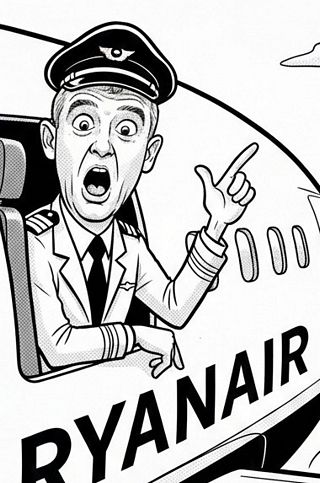 Ryanair’s CEO Michael O’Leary has long been one of my most admired businessmen. His achievements speak for themselves, but what has always impressed me even more is the consistency of his communication and the clarity of the philosophy that underpins everything he does.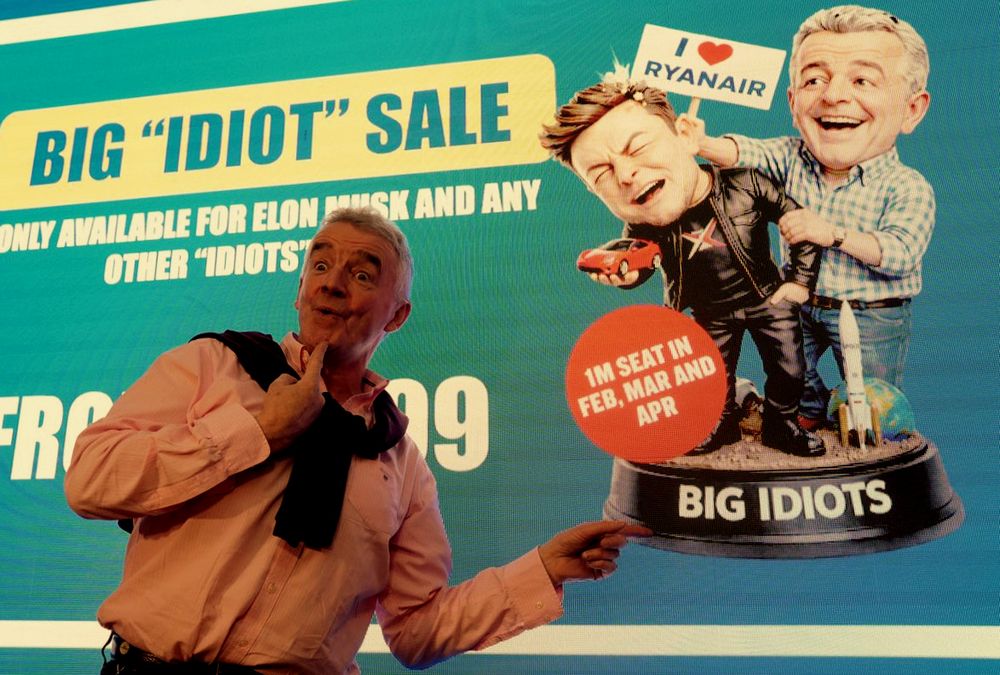
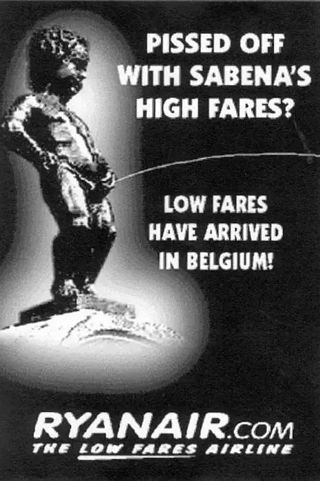 His flair for humorous controversy goes back years. During a 2001

 BlaBlaCar’s deliberate decision not to expand into the United States underscores how cultural fault lines can impede the global flow of innovation. The French platform has
 McDonald’s has long leaned on
 Marketers have adapted this insight with varying degrees of boldness. Dove, the personal care brand under Unilever, redefined beauty norms by spotlighting authenticity. Its
  Yet the Pratfall Effect