 Life’s a series of trade-offs; each choice has an opportunity cost—what we must abandon. Time’s finite; each yes to one thing’s a silent no to another. Whether we work, spend time with family, learn, or rest, we’re always exchanging pursuits.
Recognizing these trade-offs is key to better decisions. Instead of blindly agreeing, consider your sacrifice. Are the alternatives you forgo more aligned with your long-term goals? Will this choice serve your well-being and priorities? Thinking about opportunity cost moves decisions from impulse to intention, making sure each commitment reflects what truly matters.
Every intentional yes requires a thoughtful no. Choose consciously. Let opportunity cost sharpen your decision-making, helping you use time wisely and live in greater alignment with your values.
 We rely on to-do lists to organize our tasks, yet they often
 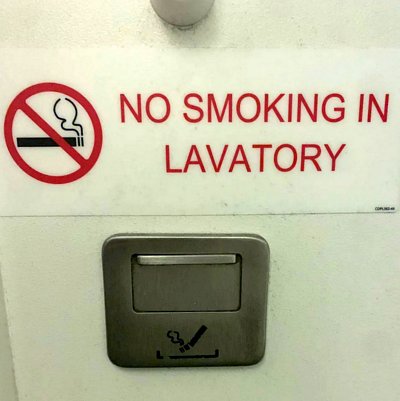 It’s a curious feature of our age that we still require, by law, ashtrays in the lavatories of commercial aircraft. Not because we’re nostalgic for the days when the skies were thick with the fug of unfiltered Marlboros, but because—despite decades of prohibition—someone, somewhere, will inevitably decide the rules
 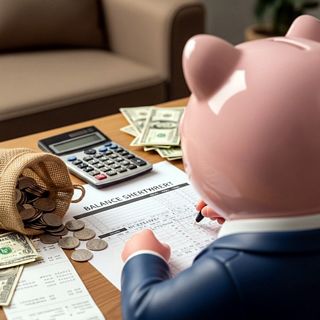 If you haven’t been tracking your personal finances, kick off with a Personal Net Worth Spreadsheet. It’s not revolutionary, but it is relentlessly revealing. The purpose is clear: record what you own, subtract what you owe, and face the unvarnished truth of the remainder. That number is your net worth—untainted by narrative or intention. It can’t flatter. It won’t excuse. It simply reveals.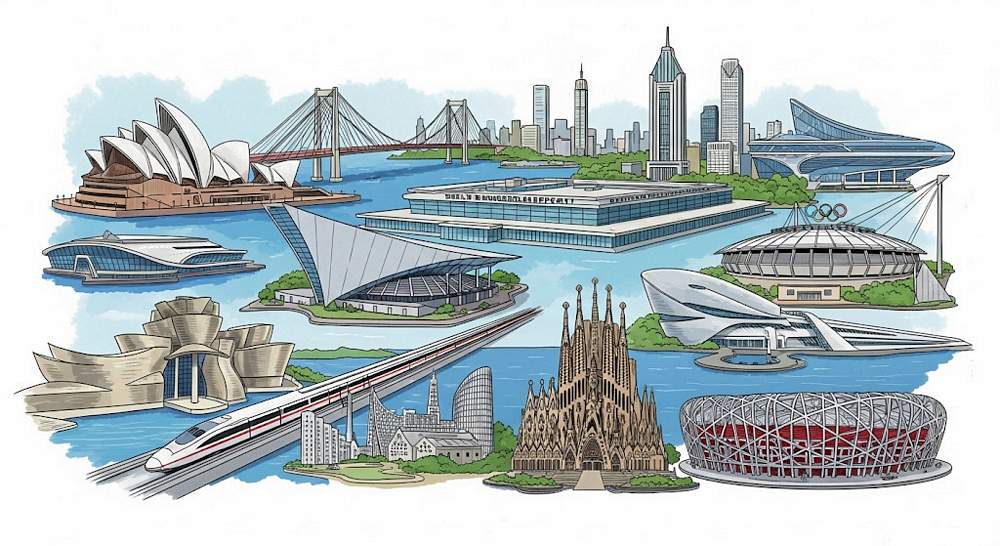
.jpg "'How Big Things Get Done' by Bent Flyvbjerg (ISBN 593239512)")
 There’s an old joke about the Soviet Union’s approach to industrial planning. It’s been told so often it’s
  We romanticize transformation—new routines, cleaner diets, sharper habits. But in practice, change rarely arrives in cinematic sweeps. It comes in quieter forms: a switch from soda to water, a walk around the block, skipping the evening snack. Small choices. Easily overlooked. In aggregate,
 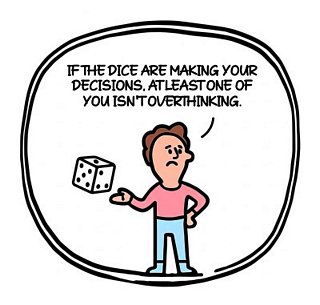 We make thousands of decisions daily—what to wear, which email to answer first, whether to take the scenic route or stick to the main road. Most are low-stakes, but the act of choosing can sap mental energy. That’s
 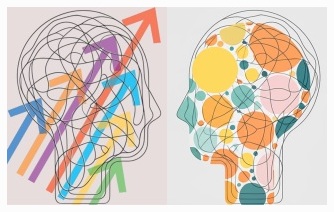 A thing can feel bad and be right.
 Strategy means nothing without execution. Yet too often, plans drown in opinion. Feedback loops expand. Timelines slip. Clarity