• Skip to content
  • Skip to primary sidebar

Right Attitudes

Ideas for Impact

Holistic Healthcare and the Family Nurse Practitioner Role

January 8, 2026 By Nagesh Belludi Leave a Comment

Holistic Healthcare and the Family Nurse Practitioner Role

Healthcare is far more than numbers on a chart; as a nurse, every person you see brings their life into the room with them. Here’s why seeing the whole person changes medical practice.

Treating pain or disease alone can’t and won’t help someone fully recover if you don’t also think about their stress or support at home: that’s what’s meant by holistic healthcare, as taught on modern nurse practitioner courses like the TWU FNP program . Holistic care asks you to look at a person’s body, their mood, as well as their family roles and community supports, because all of these factors affect health outcomes. If you’ve ever explained a care plan, only to find that the person couldn’t follow it because they lacked resources, you know that biology and life context are inseparable in real-world care.

Understanding Health Beyond Symptoms

When you think about why this approach matters, you realise that health isn’t created in clinics or hospitals. It’s shaped by daily routines and daily choices, which explains why the same patient can return with the same problem, even after appropriate treatment. In fact, if someone returns with the same issue it often means that something outside the clinic walls is sustaining that problem. Treating symptoms without understanding the whole person pushes problems into the background instead of solving them at their roots. For this reason, training programs for Family Nurse Practitioners (FNPs) emphasise holistic thinking, because they prepare you to see patients as complete people who live in real world conditions, not in hospitals or labs.

The FNP Role and Holistic Responsibility

FNPs are nurses with advanced education and training that prepares them to provide primary care: first-contact healthcare that people receive when they have new symptoms or when they need to manage long-term health conditions. Nurses in this role can diagnose, develop treatment plans and prescribe medications in many healthcare systems, because their training covers advanced clinical assessment and decision making.

In this role, because you take responsibility for the full health of individuals and families, you need skills that go beyond memorising facts and processes, to skills that help you understand people in context. If your goal is to reduce suffering and support meaningful change, you need tools that help you see the whole picture.

How FNP Education Supports Holistic Practice

Programs like the aforementioned online Master of Science in Nursing for Family Nurse Practitioners at Texas Woman’s University emphasise holistic education. This kind of program teaches clinical skills like health assessment and medication management, while also teaching communication and leadership skills. You learn how to interpret symptoms, but also how to ask questions that reveal how someone’s coping emotionally and socially. These programs mix practical clinical knowledge with human-centred care because lasting improvements in health usually require both.

Why Holistic Care Matters in Today’s Healthcare System

You might wonder why holistic practice has become so important in modern healthcare. One reason is that health systems face growing demand, alongside a limited supply of traditional primary care doctors. Nurse Practitioners like FNPs are now one of the fastest growing professional groups not just in healthcare but in across all industries; clinics and hospitals need clinicians who can expand access, without lowering quality. There are now more than 460,000 licensed NPs in the United States and that number is rising sharply, which reflects employer confidence in the care they provide.

The United States Bureau of Labor Statistics has predicted that jobs for Nurse Practitioners will grow by about 35% between 2024 and 2034, primarily because people are living longer and managing more long-term conditions. Strong job growth matters: it shows that health systems are actively choosing this model of care, rather than simply tolerating it; this demand reflects the usefulness of the role and the outcomes it delivers.

Patient Experience and Trust

Holistic practice helps improve patient experience because people feel safer and more understood when you ask about their everyday lives, rather than just their symptoms. If someone says they can’t follow a diet plan, you know you need to listen to what gets in their way before suggesting solutions that might not fit their situation. That listening matters because it signals respect and builds trust, which in turn makes people more open to change and ultimately improves their chances of recovery. Care becomes a cooperative process rather than a set of instructions, when patients feel involved and understood.

Prevention and Long-Term Health

Because holistic education emphasises prevention, you also learn to support people before their problems become severe. Prevention here means helping someone reduce risk rather than waiting for illness to progress. For example: if you work with someone who has prediabetes, you might explain how diet and activity changes reduce progression to type 2 diabetes. But when you help that person find changes that fit their existing daily routine, they’re more likely to try them.

Challenges and Professional Growth

Practising holistically has challenges, because listening properly takes time and supportive systems. Often through necessity, institutions sometimes prioritise speed and volume, which can make relationship-based care harder to sustain. Because holistic practice requires confidence and judgement, you also need education that prepares you for complexity. That’s why FNP programs include supervised clinical training, where experienced mentors help you practice holistic thinking in the context of safe clinical decisions. As you grow into the family nurse practitioner role, your ability to combine clinical skill with empathy and context helps you support health that lasts, by truly understanding your patients.

Filed Under: Inspirational Quotations

Can Accelerated BSN Programs Solve Long-Term Nursing Shortages?

January 7, 2026 By Nagesh Belludi Leave a Comment

Can Accelerated BSN Programs Solve Long-Term Nursing Shortages?

Healthcare systems worldwide still grapple with ongoing nursing shortages fuelled by ageing populations, growing complexity of patients and high rates of worker burnout. In response, educators and policymakers are increasingly turning to accelerated nursing pathways as a potential solution to the problem. Accelerated Bachelor of Science in Nursing programs, which are intended for those who already have a bachelor’s degree in a different field, will promise to train qualified nurses in a shorter period. The major question is whether these programs can go beyond short-term relief and can have a significant impact on long-term staffing problems.

Interest in the online accelerated BSN pathway has increased significantly as institutions seek scalable, flexible models to meet demand without compromising educational quality. While speed and accessibility are attractive, the success of accelerated programs depends on the degree to which they align with workforce realities.

Understanding the Causes of Nursing Shortages

To understand whether accelerated BSN programs can be the solution to long-term shortages, it is vital to identify the driving force behind the problem. Nursing shortages are not just a result of a shortage of graduates. High turnover, early retirement, stress at work and lack of sufficient faculty are contributing factors to chronic gaps in staffing.

Accelerated programs primarily address the supply side by increasing the number of licensed nurses entering the workforce. However, unless retention improves and working conditions change, new graduates may only replace those leaving the profession rather than overall capacity. This needs decision-making at the top of healthcare to streamline its approaches.

Speed Advantage of Accelerated Programs

One of the most compelling benefits of accelerated BSN programs is time efficiency. Traditional nursing paths usually take four years or more to complete, whereas accelerated programs may take 12 to 18 months. This compression of time enables healthcare systems to react more rapidly to urgent staffing needs.

For career changers, accelerated programs eliminate a large hurdle to entry. Professionals from other disciplines bring maturity, transferable skills, and motivation, which can help to increase workforce readiness. In the short term, this influx can help ease staffing pressure, especially in high-demand specialties.

Quality in Education and Clinical Readiness

A frequent concern about accelerated programs is whether shorter timelines jeopardize the quality of education. In practice, these programs are quite rigorous academically and often demand full-time commitment and intensive clinical training. Students normally take the same core competencies as traditional BSN students, but at an accelerated rate.

Clinical readiness is a vital factor. Graduates are required to be equipped to deal with complex patient care environments the moment they become licensed. Programs that invest in a solid clinical partnership, simulation technology, and mentorship are better positioned to produce nurses who can transition seamlessly into practice and remain in the profession.

Faculty Capacity and System Constraints

One of the limiting factors for the expansion of accelerated BSN programs is the availability of program faculty. Nursing education already faces a shortage of qualified instructors, limiting the number of students who can be enrolled in various programs. Accelerated programs do not eliminate this bottleneck, and may make it worse if expansion outpaces faculty recruitment.

Additionally, clinical placement opportunities are limited. Hospitals and healthcare facilities can only admit a limited number of students at a time. Without coordinated planning between educational institutions and healthcare providers, accelerated programs can risk pushing constraints to the side, rather than solving them.

Retention and Workforce Sustainability

Solving long-term nursing shortages goes beyond producing graduates quickly. Retention is as important as well. Accelerated BSN graduates often start their jobs with high expectations and high commitment; however, they are not immune to burnout.

Healthcare organizations must invest in things like supportive onboarding, reasonable staffing ratios, and professional development opportunities. When accelerated graduates are supported from the beginning of their careers, they are more likely to stay in the profession and help contribute to long-term stability.

The Use of Online and Hybrid Delivery Models

Online and hybrid accelerated BSN programs increase access by allowing students to complete their theoretical coursework at home and their clinical training in their local area. This model allows institutions to reach students in underserved or rural areas where nursing shortages are often the most extreme.

By decentralizing education , online programs can help balance workforce supply and regional demand. Graduates are more likely to practice in their home communities, so it increases distribution rather than just national numbers.

A Partial, albeit Meaningful Solution

Accelerated BSN programs are not a solution to long-term nursing shortages on their own, but they are a powerful part of the puzzle. These courses offer a high-speed, flexible route into nursing and could significantly add to the short-term supply.

Combined with investments in retention, faculty development and workplace reform, accelerated programs can be part of sustainable workforce growth. The best value they offer is their ability to efficiently mobilize untapped talent.

So, What’s Next?

As demand for healthcare continues to grow, accelerated BSN programs will play an increasingly important role in workforce planning. Their success in providing long-term shortages will depend on thoughtful implementation, quality assurance, and alignment with systemic reforms.

Accelerated pathways alone cannot remedy the nursing crisis, but in conjunction with a comprehensive strategy, can contribute to building a more resilient, adaptable nursing workforce going forward.

Filed Under: Inspirational Quotations

Invention is Refined Theft

January 7, 2026 By Nagesh Belludi Leave a Comment

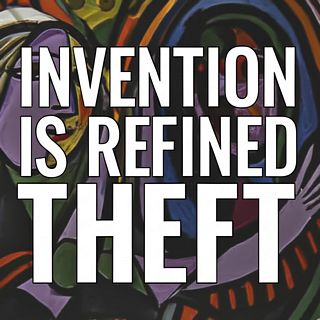
Invention Is Refined Theft: Imitation Lays the Groundwork for Original Creation Originality is often idolized, portrayed as a spark of genius that materializes out of thin air. But the truth is far more practical: most great ideas begin as refined imitation. Innovation isn’t rebellion; it’s mutation. It builds upon what has come before and reshapes it into something unexpected.


  • Kia was once known for borrowing from brands like Lotus and Mercedes. But it wasn’t until designer Peter Schreyer brought fresh vision to models like the Soul and Optima that the company redefined itself. That transformation didn’t come from rejecting influence—it thrived on it.
  • Before Picasso revolutionized art with Cubism, he studied classical techniques obsessively. His groundbreaking work didn’t stem from ignorance of tradition. It emerged by breaking it down after mastering it.
  • Xiaomi echoed Apple’s minimalist design in its early years, drawing criticism as a clone. But the company quickly proved itself with a unique operating system, bold marketing, and a sprawling ecosystem of devices that rivaled industry leaders.

Idea for Impact: Copying clever people is less foolish than pretending you are one. All creation is derivative. Imitation provides the structure upon which novelty is built. Originality is its offspring, not its opposite.

Wondering what to read next?

  1. Van Gogh Didn’t Just Copy—He Reinvented
  2. Constraints Inspire Creativity: How IKEA Started the “Flatpack Revolution”
  3. How to … Get into a Creative Mindset
  4. Overcoming Personal Constraints is a Key to Success
  5. Innovation: Be as Eager to Stop Zombie Projects as You Are to Begin the New

Filed Under: Business Stories, Mental Models, Sharpening Your Skills, The Great Innovators Tagged With: Artists, Creativity, Icons, Innovation, Parables, Problem Solving, Role Models, Thought Process

Why Workplace Counselling Is the Top Employment Trend of 2026

January 6, 2026 By Nagesh Belludi Leave a Comment

Why Workplace Counselling Is the Top Employment Trend of 2026

Employers are putting an emphasis on health and well-being in a bid to retain staff. One technique being used is counselling in the workplace, and the trend is set to continue into 2026.

The priorities of workers are changing. As well as quality pay packages and time off, they also want access to healthcare. Keeping employees happy and healthy also helps businesses, cutting down on recruitment costs. To facilitate this, many are bringing counsellors into the workplace. It is one of the top employment trends of 2026 and means that professionals who specialise in the task are more in demand than ever.

What is Counselling Psychology?

Counselling psychology is one branch of the discipline that is primarily concerned with improving well-being and dealing with life concerns. Thus, it is very specific and useful for employers. It can help people of all backgrounds, ages, and demographics deal with issues related to social, emotional, and developmental problems. Most useful for companies is that it focuses on the cultures or systems within which people function, so it can help them in a workplace environment.

Practitioners don’t have to work in businesses. While they may work for private clinics, they may find themselves in organizations like the military or other bodies. Academic settings are always looking for trained professionals, either in universities or schools. Mental health clinics and hospitals are the primary employers.

To have a career in counselling psychology, you will need a master’s degree. Begin with a bachelor’s degree in a related field to access this. There are now options to study a counseling psychology online masters . This lets you have a degree of flexibility, letting you run it alongside other commitments like work and family. Check that any course is accredited and has a great pass rate for further licensing examinations.

The Demand for Mental Health Experts

In 2024, the US Health Resources and Services Administration believed that around 122 million Americans lived in an area that had a shortage of mental healthcare providers, stating that 6,000 professionals were needed. In the United Kingdom, the NHS reported a gap of 2000 professionals needed to be filled. This is a problem not just in the US, but seemingly in the Western world.

The issues with getting hold of professionals are not just scarcity; in some instances, it is cost. Most US health insurance policies, if they cover therapists, only allow access to certain ones. They may be overbooked or not available in a given area. In 2022, around 60% of psychologists in the US reported having no openings for new patients, meaning many are overworked.

Bringing mental health experts into the workplace solves problems but also creates them. While it increases access to expertise, it will also make the pool even more in demand. The solution lies in training new professionals alone.

How Does It Help Employees and Employers?

For employees, counselling gives them an independent sounding board about the workplace. This allows them to discuss issues that are really troubling them, without the fear of reprisals or backlash. By engaging with counsellors, people can then construct solutions or coping strategies.

By doing this, the employer is preventing issues before they arrive. Increasing employee well-being and promoting healthy habits facilitates a better future. Small issues, both workplace and personal, do not turn into larger ones with bigger frustrations. Crucially, this improves the workplace atmosphere, productivity, and retention. It costs a company an average of $4,700–$5,000 to recruit a new staff member. Holding onto great, ready-trained staff is a no-brainer. In addition, it will cut down on absences and stress-related illness.

Counselling in the Workplace

For those counselling in a workplace, they essentially have two clients. This involves the employees directly and the organization. By having an understanding of the environment in which the person works, they can provide better, tailored advice based on the situation.

Workplace counselling is generally a short-term proposition, used to solve problems quickly. Many are based on eight one-hour sessions, though this can vary and change depending on the success of the sessions. Counsellors may employ a range of techniques to get the job done, ranging from CBT to transitional analysis.

Amazon is one company that has gone headfirst into workplace wellbeing . They have been awarded Mental Health America’s Platinum Bell Seal for three years in a row. The company provides 24/7 access to mental health support for members and their families 24 hours a day. This has been provided to 130,000 employees and 33,000 managers across the globe.

Thus, workplace counselling is not just a way to keep employees happy. It can have a much wider-reaching scope while keeping costs down and increasing productivity. Yet happy workplaces build reputations, meaning more people will be likely to want to work at that company. All of this helps attract the best staff, providing a bright future for a business and its employees.

Filed Under: Inspirational Quotations

You Need to Stop Turning Warren Buffett Into a Prophet

January 5, 2026 By Nagesh Belludi Leave a Comment

You Need to Stop Turning Warren Buffett Into a Prophet The new year marked Warren Buffett’s formal handover of the reins as CEO of Berkshire Hathaway to his chosen successor. The transition was deliberate and orderly. It signaled to shareholders and markets that Berkshire’s culture of discipline, patience, and long-term capital allocation is meant to outlive the man who built it.

Over the decades, Buffett has risen to an unusual cultural altitude, especially among devoted adherents of value investing. He’s part financial oracle and part homespun philosopher, dispensing deceptively simple wisdom with the aura of someone blessed with a Midas touch.

His most ardent admirers don’t merely study his methods; they venerate them. His shareholder letters are treated like sacred texts, his offhand remarks are parsed for hidden meaning, and his investing principles are elevated to universal law, supposedly immune to context, nuance, or time.

When Admiration Hardens into Uncritical Reverence

This isn’t to say Buffett’s philosophy lacks substance. His long-term mindset, focus on intrinsic value, and preference for durable businesses over speculation have shaped modern investing. Yet his most devoted followers treat these principles as commandments, overlooking the historical conditions that enabled his extraordinary success.

Buffett began in an era of lower valuations, thinner competition, and scarce financial data. He also enjoyed access to insurance float—an immense reservoir of low-cost capital ordinary investors can’t replicate. Many disciples still believe that faithfully applying his playbook in today’s very different market will produce the same results.

Buffett’s carefully cultivated public persona only deepens this loyalty. His down-home Midwestern charm isn’t accidental; it functions as armor. His accessible soundbites reinforce a comforting worldview in which patient investors always win, markets always recover, and disciplined value investing always triumphs. These narratives glide past inconvenient realities such as Japan’s post-1990 stagnation or the U.S. market’s lost decade from 2000 to 2010. His followers rarely ask for clarification. They don’t notice the cherry-picking or the broad-brushing. They accept the story as delivered.

Even his critiques are selective. Buffett often condemns the high fees charged by hedge funds and asset managers, yet his own early partnerships were structured with lucrative fees and equity stakes. They looked far more like the models he now derides than the mythologized image that surrounds him. He shifted toward long-term business ownership only after securing a substantial percentage stake in Berkshire Hathaway through those early arrangements. His admirers conveniently overlook the contradiction.

Buffett’s Wisdom Should Be Engaged With, Not Obeyed

None of this diminishes Buffett’s stature as a great investor or a compelling role model. His principles will remain valuable, and his track record is undeniable. But unchallenged hero worship is dangerous, especially when it replaces critical thinking with unquestioning allegiance. Many followers repeat his words, absorb his lessons, and apply his ideas without examining whether the underlying assumptions still hold. Markets evolve. Conditions shift. Rigid adherence to any single philosophy can become a liability.

Buffett’s ideas deserve scrutiny, not sainthood. His principles should be examined, not obeyed. Markets reward independent judgment, not intellectual submission. Thinking critically about those we admire isn’t disloyal. It’s essential.

Idea for Impact: Mistaking admiration for devotion that substitutes for analysis is a costly error. Real understanding requires scrutiny, adaptation, and the courage to rethink what once felt certain.

Wondering what to read next?

  1. Beware of Key-Person Dependency Risk
  2. A Real Lesson from the Downfall of Theranos: Silo Mentality
  3. Innovation Without Borders: Shatter the ‘Not Invented Here’ Mindset
  4. What Appears Self-Evident to One May Be Entirely Opaque to Another: How the Dalai Lama Apology Highlights Cultural Relativism
  5. Don’t Be Deceived by Others’ Success

Filed Under: Business Stories, Leadership, Mental Models Tagged With: Biases, Critical Thinking, Icons, Leadership Lessons, Mental Models, Psychology, Role Models, Social Dynamics

Make an Impact in Your Community and Field by Earning Your Online Master’s in Clinical Mental Health Counseling

January 5, 2026 By Nagesh Belludi Leave a Comment

Make an Impact in Your Community and Field by Earning Your Online Master's in Clinical Mental Health Counseling

Mental health used to be something that was not as openly spoken about as it is today. And thankfully, that’s been a welcome change. Everyone struggles with their mental health in some shape or form and if it isn’t a struggle, then it’s at least a thought for most. That’s why having experienced and trained mental health counselors is something that is highly important. If you are someone who already has their BA and you’re considering studying further but would like to make a positive impact on your community and study something flexible and also helpful to others, then you might want to consider doing your Online Master’s in Clinical Mental Health Counseling.

There are a few things to consider when making this choice. It can take anywhere between two and three and a half years to complete, depending on whether you do it part-time or full-time. That’s a solid chunk of time, so you naturally want to make sure you’re studying something you’ll stick with. It being online, though, does give you more flexibility and freedom for other responsibilities in your life, which can be helpful. Keen on learning more? Excellent, it’s time to dive in.

Why Clinical Mental Health Counseling Matters More Than Ever

As touched on above, mental health awareness has grown but access to care still struggles to meet demand. Many communities lack enough trained professionals to support individuals dealing with anxiety, depression, trauma, addiction and life transitions. That is where trained counselors become essential.

As a clinical mental health counselor, your role goes far beyond listening. You become a guide and a steady presence for people who need clarity and stability. This profession allows you to contribute to healthier families, stronger communities and more informed conversations about mental well-being. You also step into a career that evolves with society. Counseling now includes digital therapy, trauma-informed practices and culturally responsive care.

What an Online Program Brings to Your Learning Experience

An online mental health counseling degree allows you to gain an academic foundation, practical training and ethical grounding required for licensure but you do it in a way that fits real life. Online programs are built for students who want structure without rigid schedules. You can study from home, organize your time more efficiently and still connect with instructors and classmates through digital platforms.

Here is what makes online learning especially valuable:

  • Flexible schedules that fit around work or family responsibilities

  • Access to diverse faculty and classmates from different locations

  • The ability to revisit recorded lectures and materials

This format also prepares you for the future of counseling. Virtual therapy sessions are becoming more common and online learning builds comfort with digital communication tools that are already part of the profession. This means that by studying online, you’re inadvertently preparing yourself for your future of work too.

How the Degree Translates into Real-World Impact

Everything you learn connects directly to how you support others. Coursework typically covers psychology, counseling techniques, ethics, human development and crisis intervention. Each subject builds toward becoming an insightful , competent and compassionate professional.

Your training helps you understand emotional and behavioral patterns, build strong therapeutic relationships, support clients through change and healing and recognize when additional care or resources are needed. This kind of work offers deep personal fulfillment. You are not just building a career; you are shaping lives.

Skills You Develop That Extend Beyond Counseling

A master’s in clinical mental health counseling develops skills that carry into every part of life. You become a stronger communicator, a better listener and a more thoughtful problem solver. These abilities help in professional settings and personal relationships alike. Some of the most valuable skills you gain include emotional intelligence and empathy, clear and respectful communication, ethical decision-making, conflict resolution and stress management.

These skills make you adaptable in many environments. Even if your career evolves, the foundation remains useful. Counseling teaches you how to understand people and that understanding is valuable everywhere.

Career Paths That Open After Graduation

One of the strengths of this degree is its versatility. Graduates find opportunities in both clinical and community-based roles.

Some common career directions include:

  • Private practice counseling

  • Community mental health centers

  • Schools and universities

  • Hospitals and rehabilitation facilities

  • Nonprofit organizations

  • Crisis intervention programs

Each setting allows you to serve different groups, from children and teens to adults and families. You can shape your career around the populations and issues that matter most to you.

Balancing Education with Real Life

Going back to school is a big decision, especially when life already feels busy. Online programs are designed with that reality in mind. You are not expected to pause everything else to succeed. Instead, the structure helps you integrate learning into your existing routine.

You might study early in the morning, during lunch breaks or in the evenings. That flexibility reduces stress and makes long-term commitment more realistic. It also teaches self-discipline and time management, which are valuable traits in counseling work.

The Responsibility That Comes with the Role

Being a counselor is not just about compassion. It comes with responsibility. Clients trust you with their stories, their fears and their hopes. Your education prepares you to honor that trust ethically and professionally. You learn how to maintain boundaries, protect confidentiality and recognize your own limits. This training ensures that you provide care safely and responsibly. It also protects your own well-being by encouraging balance and self-awareness.

Filed Under: Inspirational Quotations

Inspirational Quotations #1135

January 4, 2026 By Nagesh Belludi

An early-rising man… a good spouse but a bad husband.
—Gabriel Garcia Marquez (Colombian Novelist, Short-Story Writer)

The way I see it, it doesn’t matter what you believe just so you’re sincere.
—Charles M. Schulz (American Cartoonist)

There are evils that have the ability to survive identification and go on for ever… money, for instance, or war.
—Saul Bellow (Canadian-born American Novelist)

The giver should forget, but the receiver should remember forever.
—Polish Proverb

Intelligence is quickness to apprehend as distinct from ability, which is capacity to act wisely on the thing apprehended.
—Alfred North Whitehead (English Mathematician, Philosopher)

I don’t believe in just ordering people to do things. You have to sort of grab an oar and row with them.
—Harold S. Geneen (American Businessman)

Behaviour that’s admired is the path to power among people everywhere.
—Seamus Heaney (Irish Poet, Playwright)

Still the bubbling mind; herein lies freedom and bliss eternal.
—Sivananda Saraswati (Hindu Spiritual Teacher)

Instead of wanting to throttle your loved ones when they give you a hard time, it is better to look at them as mirrors of what you still need to work on in terms of our personal growth.
—Susan Jeffers (American Self-Help Author)

Life is all memory except for the one present moment that goes by so quick you can hardly catch it going.
—Tennessee Williams (American Playwright)

Filed Under: Inspirational Quotations

What the Dry January Trap Shows Us About Extremes

January 2, 2026 By Nagesh Belludi Leave a Comment

What the The Dry January Trap teaches: Beyond the Cycle of Excess and Atonement Dry January is marketed as a ritual of renewal—a sober start to the year, a clean break from December’s excess. But beneath its virtuous packaging lies a familiar cycle. Instead of encouraging balance, it often replicates the very problem it claims to fix: the swing between indulgence and abstinence.

This binary—binge, then ban—doesn’t disrupt harmful habits. It reinforces them. By framing total sobriety as a seasonal corrective, Dry January legitimizes the very extremes it should disavow. True discipline is not abstention by calendar. It is the quiet, daily refusal to be ruled by impulse or fashion.

The same pattern surfaces beyond alcohol. Crash diets after holiday feasts. All-night cramming before exams. Financial detoxes to offset overspending. Each offers the illusion of control in the wake of excess—a performance of restraint with no staying power.

Discipline rooted in deprivation is flimsy. It fades with novelty. Lasting change comes from steady practice, not dramatic purges. If one must abstain, let it be for clarity, not conformity.

Idea for Impact: The antidote to overindulgence isn’t temporary denial—it’s moderation before the excess begins.

Wondering what to read next?

  1. Use This Trick to Make Daily Habits Stick This Year
  2. Be Careful What You Start
  3. The #1 Hack to Build Healthy Habits in the New Year
  4. A Worthwhile New Year’s Resolution
  5. How to Turn Your Procrastination Time into Productive Time

Filed Under: Health and Well-being, Living the Good Life, Mental Models, Sharpening Your Skills Tagged With: Assertiveness, Change Management, Discipline, Getting Things Done, Goals, Lifehacks, Mindfulness, Motivation, Procrastination, Targets

A Worthwhile New Year’s Resolution

December 31, 2025 By Nagesh Belludi Leave a Comment

A Worthwhile New Year's Resolution: Embracing Authentic Living and Imperfection Few things feel more exhausting than the annual tradition of drafting New Year’s resolutions. It seems the world collectively decides that, after a month of indulgence, we must suddenly repent with a list of impossible goals. This year, I’m opting out.

As the holiday decorations come down and the last bits of wrapping paper are shoved into the trash, we shift from celebration to self-discipline. December centers on joy and excess. January, by contrast, ushers in guilt, self-denial, and a touch too much self-righteousness.

Resolutions often serve as long, detailed inventories of our perceived shortcomings. The extra weight, the overflowing inbox, the unfinished books, the credit card bill staring us down—they all remind us that we should be thinner, richer, more productive, and more accomplished. Apparently, 2025 didn’t cut it. So now 2026 is the year we finally get our act together.

A few impulsive purchases or skipped workouts are not signs of failure. They are proof that we’re living. Still, resolutions twist these everyday moments into problems that need fixing, turning the new year into some sort of overdue bill.

By February, most resolutions are abandoned. Junk food bans crumble. Ambitious wake-up times slip back into snooze mode. Flipping the calendar doesn’t flip a switch in our minds. We are who we are—beautifully flawed, balancing indulgence and responsibility like everyone else.

Instead of another round of self-imposed suffering, we can try something refreshing. Let’s embrace where we are, imperfections included. If we must resolve to do something, let it be this: accept that we’ll never be perfectly polished, but we’ll always be wonderfully, unapologetically alive.

Wondering what to read next?

  1. What the Dry January Trap Shows Us About Extremes
  2. The #1 Hack to Build Healthy Habits in the New Year
  3. The ‘What-the-Hell’ Effect: How Minor Slip-Ups Trigger a Cycle of Giving Up
  4. Everything in Life Has an Opportunity Cost
  5. Half-Size Your Goals

Filed Under: Living the Good Life, Mental Models Tagged With: Assertiveness, Attitudes, Change Management, Clutter, Discipline, Getting Things Done, Goals, Procrastination, Targets, Wisdom

Messy Yet Meaningful

December 29, 2025 By Nagesh Belludi Leave a Comment

Embracing Chaos: The Path to Maturity Through Curiosity, Restraint, and Poetic Understanding Modern life tempts us toward simple ideals—peace, joy, freedom—but wisdom lies in reimagining these not as escapes from discomfort, but as quiet, sustained negotiations with the messier textures of reality and our own evolving psychology.

Peace isn’t the erasure of struggle. It’s the discipline of stillness in the eye of life’s whirlwind.

Joy isn’t the refusal of hardship. It’s the art of finding richness within the imperfect texture of experience.

Freedom isn’t the absence of constraint. It’s the capacity to act wisely within necessary limits.

Love isn’t just the presence of another. It’s the slow triumph of solitude, learned and accepted.

Growth isn’t a race toward improvement. It’s the quiet reconfiguration of the self in real time.

Purpose isn’t the conquest of doubt. It’s the patient search for significance beneath ambiguity.

Security isn’t a fortress of caution. It’s the intuition to risk and retreat in thoughtful balance.

Idea for Impact: Maturity doesn’t come from tidying life’s chaos, but from meeting it with curiosity, restraint, and poetic understanding.

Wondering what to read next?

  1. The More You Can Manage Your Emotions, the More Effective You’ll Be
  2. Change Your Perspective, Change Your Reactions
  3. Embracing the Inner Demons Without Attachment: The Parable of Milarepa
  4. If You Want to Be Loved, Love
  5. Anger is the Hardest of the Negative Emotions to Subdue

Filed Under: Living the Good Life, Mental Models Tagged With: Attitudes, Clutter, Emotions, Meaning, Mindfulness, Philosophy, Suffering, Virtues, Wisdom

« Previous Page
Next Page »

Primary Sidebar

Popular Now

Anxiety Assertiveness Attitudes Balance Biases Coaching Conflict Conversations Creativity Critical Thinking Decision-Making Discipline Emotions Entrepreneurs Etiquette Feedback Getting Along Getting Things Done Goals Great Manager Innovation Leadership Leadership Lessons Likeability Mental Models Mentoring Mindfulness Motivation Networking Parables Performance Management Persuasion Philosophy Problem Solving Procrastination Relationships Simple Living Social Skills Stress Suffering Thinking Tools Thought Process Time Management Winning on the Job Wisdom

About: Nagesh Belludi [hire] is a St. Petersburg, Florida-based freethinker, investor, and leadership coach. He specializes in helping executives and companies ensure that the overall quality of their decision-making benefits isn’t compromised by a lack of a big-picture understanding.

Get Updates

Signup for emails

Subscribe via RSS

Contact Nagesh Belludi

RECOMMENDED BOOK:
How Adam Smith Can Change Your Life

How Adam Smith Can Change Your Life: Russ Roberts

EconTalk podcast host Russ Roberts on how morality comes from imagining being judged by our fellow man. A rendition of Adam Smith's Theory of Moral Sentiments.

Explore

  • Announcements
  • Belief and Spirituality
  • Business Stories
  • Career Development
  • Effective Communication
  • Great Personalities
  • Health and Well-being
  • Ideas and Insights
  • Inspirational Quotations
  • Leadership
  • Leadership Reading
  • Leading Teams
  • Living the Good Life
  • Managing Business Functions
  • Managing People
  • MBA in a Nutshell
  • Mental Models
  • News Analysis
  • Personal Finance
  • Podcasts
  • Project Management
  • Proverbs & Maxims
  • Sharpening Your Skills
  • The Great Innovators

Recently,

  • Inspirational Quotations #1143
  • The Hot-Desking Lie: How It Killed Focus and Gutted Collaboration
  • Unreliable Narrators Make a Story Sounds Too Neat
  • Bertrand Russell on The Value of Philosophy: Doubt in an Age of Dogma
  • Inspirational Quotations #1142
  • The Law of Petty Irritations
  • Look, Here’s the Deal: Your Insecurity is Masquerading as Authority

Unless otherwise stated in the individual document, the works above are © Nagesh Belludi under a Creative Commons BY-NC-ND license. You may quote, copy and share them freely, as long as you link back to RightAttitudes.com, don't make money with them, and don't modify the content. Enjoy!