 Your to-do list isn’t a productivity tool. It’s a leash—and the cruelest part is that you put it on yourself every morning and call it discipline.
Busyness doesn’t just fill time. It supplies identity. The list tells you who you are: someone with obligations, a place in the machinery. That’s not a side effect of productivity culture. That’s the product. So putting the list down doesn’t feel like rest. It feels like freefall.
Chronic busyness isn’t a style. It’s a defense mechanism, and what it’s defending against isn’t inefficiency. It’s self-knowledge—the kind that would require actually changing something. The gap between the work being done and the work that matters. The slow suspicion that the life being built isn’t quite the one that would be chosen.
The productivity industry exists to help manage that feeling without resolving it. The apps, the frameworks, the morning routines—all of it is in the business of making avoidance feel like progress. It’s part of the problem it claims to solve. And this essay, read between tasks on a phone, is complicit in that too.
Idea for Impact: The to-do list will never be finished—that was always the point. An endless supply of small completions, standing in for the larger one that keeps getting deferred.
Putting the list down long enough to answer what you’d pick up without it isn’t a productivity hack. It’s the whole thing.
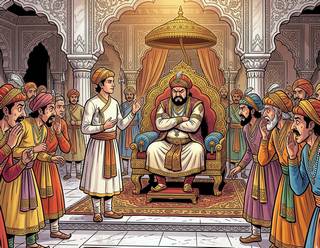 One morning, Emperor Akbar enters his court in a foul mood. He announces to his courtiers: someone dared to pull his beard. What punishment should be given to such a person?
 Birbal stopped at the premise. What he did next has a name in lateral thinking:
  Here’s what never makes it onto the poster: this is genuinely hard to do under pressure. The courtiers weren’t stupid. They were experienced advisors to one of the most powerful rulers in the world. What stopped them wasn’t lack of intelligence. It was the situation itself. Under pressure,
  You didn’t fail because you’re weak.
 Asking for a raise is a professional negotiation, not a personal plea.
.jpg "'When Things Fall Apart' by Pema Chodron (ISBN 1611803438)")
 When an employee comes to you asking for more money, how you handle the conversation will shape your reputation as a manager and determine whether you keep your best people. Resist the impulse to feel put on the spot. A direct, well-prepared employee who advocates for their own compensation is doing exactly what confident, high-performing people do. Treat it accordingly.
 You launch passion projects with fervor, heart ablaze with possibility. Inevitably, that fire cools. Priorities shift, interests wander, life rearranges itself. The unfinished lingers, creating quiet unease.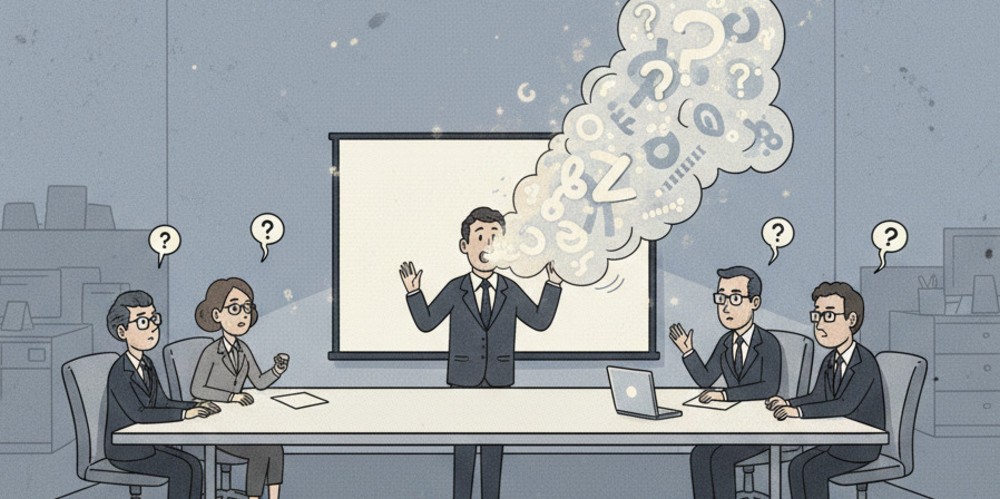
 It’s oddly compelling to learn that Jennifer Aniston ate the
  Most managers treat