• Skip to content
  • Skip to primary sidebar

Right Attitudes

Ideas for Impact

Living the Good Life

The Law of Petty Irritations

February 20, 2026 By Nagesh Belludi Leave a Comment

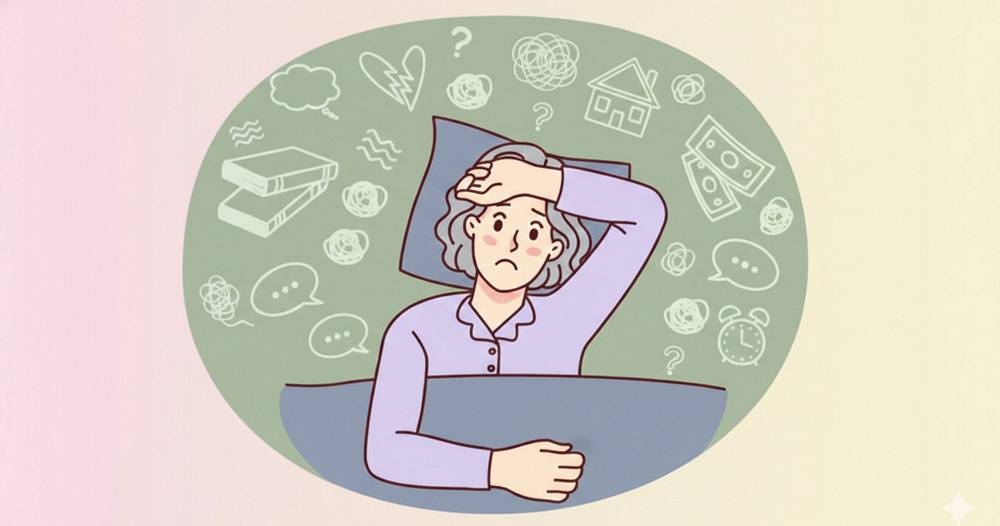
Mastering the Minutiae: Why Small Frustrations Don't Deserve Your Big Energy Minor annoyances can drain you more than you realize. They don’t vanish after the moment passes; they linger, filling every bit of mental space you allow them. The irritation itself is brief, but the endless reruns in your head are what exhaust you. You spend hours rehearsing imaginary arguments, and the cost is far greater than the incident itself.

I call this the curse of the small. Every day you face irritations: traffic jams, bad service, a coworker stealing credit, a partner stacking the dishwasher in a way that offends your sense of order. If you don’t stop them early, they grow. They fester until they dominate your mood and distort your perspective. Your peace of mind and your productivity depend entirely on how you respond.

Think about it: when the mind is occupied with greater labors, the small things lose their sting. Yet as life grows easier, the threshold for irritation falls. In the absence of real threats, even a slow Wi-Fi signal is treated as if it were a crisis.

You need circuit breakers to recognize the triggers and stop the spiral. The most effective one I’ve seen is the 5-5-5 Rule. Ask yourself: Will this matter in 5 days? Will this matter in 5 weeks? Will this matter in 5 months? If the answer is no, don’t spend more than 5 minutes on it. This rule forces perspective and prevents minor frustrations from hijacking your day.

Richard Carlson’s influential 1996 bestseller Don’t Sweat The Small Stuff… And It’s All Small Stuff makes the same point. You don’t need to reinvent yourself to deal with anger or angst. You need perspective. Step back and you see that most annoyances are too small to deserve your energy.

Idea for Impact: The goal isn’t to eliminate annoyances. The goal is to build a mind too big for them to fill. When you let go, you reclaim your peace, your focus, and your joy.

The little annoyances will persist. Your response to them need not.

Wondering what to read next?

  1. Cope with Anxiety and Stop Obsessive Worrying by Creating a Worry Box
  2. Expressive Writing Can Help You Heal
  3. This Trick Can Relieve Your Anxiety: “What’s the worst that can happen?”
  4. Learn to Manage Your Negative Emotions and Yourself
  5. This May Be the Most Potent Cure for Melancholy

Filed Under: Health and Well-being, Living the Good Life, Sharpening Your Skills Tagged With: Anxiety, Emotions, Introspection, Mindfulness, Stress, Suffering, Wisdom, Worry

Live as If You Are Already Looking Back on This Moment with Longing

February 16, 2026 By Nagesh Belludi Leave a Comment

Anticipatory Nostalgia: Live as If You Are Already Looking Back on This Moment with Longing

Nostalgia is usually understood as a backward-looking emotion, a bittersweet yearning for what has already slipped away. But the present moment will itself be a past moment soon, destined to become something you may eventually long for. This realization shifts your perspective from what is gone to what is currently unfolding. Today’s reality is tomorrow’s cherished memory.

Here’s a simple discipline: treat the present like a future memory you’ll ache for. It’s not sentimental; it’s a deliberate mental posture that forces you to stop skimming life and start collecting it. When you decide that you may one day look back on this exact second with longing, everything about that second sharpens.

Anticipatory nostalgia is a practical tool. It tells your brain this moment matters, so you stop multitasking and start noticing. Instead of letting the transience of now create anxiety, you convert it into urgency, the good kind that makes you lean in. You notice the small things: the cadence of a friend’s laugh, the way light hits the table, the exact temperature of the air. Those details become the raw material of memory.

This approach changes your role in your own life. You stop observing passively and start curating actively. Saying “I will miss this” isn’t defeatist; it’s a command to savor. You linger in conversations with people you care about. You pay closer attention to the places you inhabit and the experiences unfolding around you. You laugh more honestly. You take mental snapshots that capture feeling, not just scenery. You aren’t mourning what’s ending; you’re celebrating what’s happening right now.

Treating ordinary moments as future treasures creates a feedback loop. The people in your life become more vivid when you recognize their presence is temporary. The places you visit or pass through daily gain new weight when you acknowledge you won’t always have access to them. Even small experiences, a quiet walk or an unhurried meal, become worth your full attention. That awareness doesn’t weigh you down. It energizes you.

To make this stick, try three things. /1/ Name the moment out loud: “Someday I’ll miss this.” /2/ Slow down for sixty seconds and take in what’s around you. /3/ Record one tiny note, a word, a photo, a voice memo, that anchors the feeling.

Idea for Impact: The best way to honor the memory you will one day have is to be fully present while it’s still being made. Do that, and ordinary life starts to look like something worth remembering.

Wondering what to read next?

  1. Anger Is Often Pointless
  2. The More You Can Manage Your Emotions, the More Effective You’ll Be
  3. I’ll Be Happy When …
  4. The Surprising Power of Low Expectations: The Secret Weapon to Happiness?
  5. Heaven and Hell: A Zen Parable on Self-Awareness

Filed Under: Health and Well-being, Living the Good Life, Sharpening Your Skills Tagged With: Attitudes, Buddhism, Emotions, Mindfulness, Mortality, Motivation, Philosophy, Relationships, Wisdom

Depth in Relationships is Earned in the Dull Moments

February 13, 2026 By Nagesh Belludi Leave a Comment

Depth in Relationships is Earned in the Dull Moments Real connection isn’t in the highlight reel of coffee dates or parties. It’s forged in the unglamorous trenches of daily life.

As Erich Fromm argued in The Art of Loving (1956; my summary,) love’s an active power: a doing, not a being. Whether with a romantic partner, a friend, or even a pet, depth’s earned through showing up in the mundane.

We don’t usually confuse intensity with intimacy, yet it’s the quiet repetitions that bind us. Love’s less about passion than about patience with the banal. In friendships and romance, this often shows up as what psychologist John Gottman calls “emotional bids”—small, ordinary requests that predict long-term success. Listening to a work complaint for the third time, helping someone move furniture, or remembering their preferred brand of tea builds psychological safety in ways a weekend getaway never could. Gottman’s decades of research on marital stability show that responding to these bids—often unspoken—determines whether relationships thrive or collapse.

Even with our pets, the bond isn’t just about cuddles. It’s the commitment to stay present through feeding schedules, cleaning up accidents, and sitting with them through illness. Showing up for the “little” things signals we’re in it together. That’s what builds bonds.

Idea for Impact: The test of affection isn’t in grand gestures but in the willingness to endure boredom together. If you want deeper connection, stop chasing excitement and start finding more ways to be useful, to be available. Connection strengthens not in the fireworks but in the daily embers we tend.

Wondering what to read next?

  1. Don’t Let Attachment Masquerade as Love
  2. Affection Is No Defense: Good Intentions Make Excellent Alibis
  3. When One Person is More Interested in a Relationship
  4. How to … Deal with Less Intelligent People
  5. It’s Never About You

Filed Under: Living the Good Life, Managing People, Mental Models Tagged With: Conflict, Emotions, Likeability, Meaning, Mindfulness, Relationships

Therapy That Reopens Wounds is Not Healing but Harm

February 9, 2026 By Nagesh Belludi Leave a Comment

Retraumatization: Mismanaged Therapy Can Reactivate Past Wounds and Destabilize Healing

Bad therapy harms more than no therapy at all, much like poor surgery leaves a patient worse off than the original ailment.

Therapists create one of the greatest risks in psychotherapy when they mishandle past trauma. Exploring painful experiences illuminates current struggles, but therapists must calibrate carefully. Some therapists push too far, too fast and retraumatize clients because they lack the skill to navigate trauma safely. When therapists discuss trauma in ways that overwhelm rather than support, they reactivate painful emotions without providing adequate coping strategies, and clients end up destabilized instead of healed.

A therapist’s approach, skill, and fit often determine outcomes. Training background and individual ability vary significantly, but research consistently shows that the “therapeutic alliance”—the relationship between client and therapist—predicts outcomes more reliably than specific techniques. When clients feel understood and safe, difficult work transforms them. When the alliance falters, even sound methods harm.

Therapists must stay attuned to a client’s emotional state and boundaries. If a client feels retraumatized, the therapist must address those feelings immediately. A skilled therapist pauses, validates the experience, and adjusts the approach. When therapists fail to respond, clients should seek someone else.

Productive discomfort differs from harmful retraumatization. Growth requires moving through difficult emotions, but the distinction lies in whether the client feels supported or abandoned—whether they build coping resources or simply relive old pain.

Idea for Impact: The goal of analytic therapy is not excavation for its own sake, but healing that weaves the past into the present without leaving the client more fragmented than before.

Wondering what to read next?

  1. Expressive Writing Can Help You Heal
  2. The Argument Against Long-Term Psychotherapy
  3. A Journey Through Therapy: Summary of Lori Gottlieb’s ‘Maybe You Should Talk to Someone’
  4. Therapeutic Overreach: Diagnosing Ordinary Struggles as Disorders
  5. Blame Your Parents for Your Current Problems?

Filed Under: Health and Well-being, Living the Good Life Tagged With: Adversity, Conversations, Emotions, Introspection, Mindfulness, Resilience, Suffering, Therapy

The Surprising Stress-Relief Power of Cleaning

January 30, 2026 By Nagesh Belludi Leave a Comment

The Surprising Stress-Relief Power of Cleaning When stress builds, some people instinctively take a few minutes to clean. It’s more than a quick break—it’s a powerful reset. Stress floods the mind with tangled, racing thoughts. Cleaning cuts through the chaos, shifting focus to the present moment. It restores order, inside and out, clearing both space and mind.

Unlike other stress relievers like walking or cooking, cleaning delivers instant, visible results. Each cleared surface and sorted pile brings a hit of control, making problems feel smaller and more manageable. It’s a fast, tangible way to push back against overwhelm.

Idea for Impact: Cleaning is more than a chore. It’s a metaphor for reclaiming order from mental chaos. Make it a steady habit, not just a crisis response, and it becomes a reliable anchor—a way to stay balanced when life spins out.

Wondering what to read next?

  1. Five Ways … You Could Prevent Clutter in the First Place
  2. How to … Make a Dreaded Chore More Fun
  3. When Giving Up Can Be Good for You
  4. How to Embrace Multitasking
  5. What Your Messy Desk Says About You

Filed Under: Living the Good Life, Mental Models, Sharpening Your Skills Tagged With: Clutter, Discipline, Mindfulness, Motivation, Procrastination, Simple Living

Geezer’s Paradox: Not Trying to Be Cool is the New Cool

January 28, 2026 By Nagesh Belludi 1 Comment

Geezer's Paradox: Not Trying to Be Cool is the New Cool My friend Jack recently offered a retrospective on his decade-long dalliance with sneaker trends—a ride as unpredictable as it was swift. He began faithfully attached to New Balance, those once-maligned “dad shoes” that screamed suburban resignation. Then came Converse, adopted not for comfort but for credibility, as his children entered the age of judgment and he entered the age of trying not to embarrass them. Shortly thereafter, he flirted with On sneakers during a Lululemon-inspired phase that boldly declared, “I’m trendy, indeed!” Yet as fashion’s fickle currents swept him toward HOKA’s cloud-like comforts, Jack eventually circled back to a reinvented New Balance—now celebrated as a bona fide streetwear icon. Worn out by the relentless trend chase, he abandoned the pursuit of cool, discovering—ironically—that true style springs from indifferent authenticity.

Jack’s quest for sneaker coolness, while amusing, is not merely anecdotal. It exemplifies what might be called the Geezer’s Paradox: the older we get, the less we care about being cool—and, perversely, the cooler we become. This isn’t wisdom. It’s exhaustion masquerading as enlightenment. The effort required to stay ahead of trends eventually outweighs the social reward, and so we opt out. Not with a bang, but with a sigh and a pair of shoes that don’t hurt our arches.

The paradox lies in the cultural feedback loop. Indifference, once a symptom of age, now reads as authenticity. And authenticity, in the current economy of curated selves, is the ultimate currency. Jack didn’t become cool by trying. He became cool by ceasing to try—though not before spending several hundred pounds on footwear that promised transcendence and delivered blisters.

Idea for Impact: Coolness, like happiness, resents pursuit. Stop chasing it and it might just follow you home. Or at least to the corner shop in a pair of sensible trainers.

Wondering what to read next?

  1. The Wisdom of the Well-Timed Imperfection: The ‘Pratfall Effect’ and Authenticity
  2. This Ancient Japanese Concept Can Help You Embrace Imperfection
  3. I’ll Be Happy When …
  4. Lilies and Leeches
  5. What the Mahabharata Teaches About Seeing by Refusing to See

Filed Under: Living the Good Life, Mental Models, Sharpening Your Skills Tagged With: Assertiveness, Attitudes, Biases, Happiness, Humor, Materialism, Mindfulness, Parables, Persuasion, Simple Living

When Stressed, Aim for ‘Just Enough’

January 16, 2026 By Nagesh Belludi Leave a Comment

The Power of 'Just Enough': A Temporary Reset for a Stressed Mind When stress hits, lowering your standards and aiming for “just enough” can be a game-changer. Perfectionism only piles on the pressure, so ease up. By lowering your expectations, you make tasks more manageable and reduce the mental load.

Perfection is overrated. Focus on progress, not perfection. Giving yourself permission to do “just enough” creates space for a mental break and helps you stop chasing unrealistic standards. Chasing unattainable goals leads straight to burnout. Accept that “good enough” is enough. This allows you to maintain energy and avoid exhaustion while keeping your focus on what really matters.

Lowering your standards is an act of self-compassion. You’re not a robot. It’s okay to step back from perfection—your well-being depends on it. But remember, it’s a temporary fix. Don’t make a habit of it or you’ll stall your growth.

Wondering what to read next?

  1. Book Summary of ‘Yeah, No. Not Happening’: Karen Karbo on Rejecting the Pursuit of Perfection’s Snare
  2. Radical Acceptance: Book Summary of Susan Henkels’s ‘What if There Is Nothing Wrong With You’
  3. Mise En Place Your Life: How This Culinary Concept Can Boost Your Productivity
  4. When Giving Up Can Be Good for You
  5. Everything in Life Has an Opportunity Cost

Filed Under: Living the Good Life, Mental Models, Sharpening Your Skills Tagged With: Assertiveness, Attitudes, Mindfulness, Perfectionism, Procrastination, Stress

What the Dry January Trap Shows Us About Extremes

January 2, 2026 By Nagesh Belludi Leave a Comment

What the The Dry January Trap teaches: Beyond the Cycle of Excess and Atonement Dry January is marketed as a ritual of renewal—a sober start to the year, a clean break from December’s excess. But beneath its virtuous packaging lies a familiar cycle. Instead of encouraging balance, it often replicates the very problem it claims to fix: the swing between indulgence and abstinence.

This binary—binge, then ban—doesn’t disrupt harmful habits. It reinforces them. By framing total sobriety as a seasonal corrective, Dry January legitimizes the very extremes it should disavow. True discipline is not abstention by calendar. It is the quiet, daily refusal to be ruled by impulse or fashion.

The same pattern surfaces beyond alcohol. Crash diets after holiday feasts. All-night cramming before exams. Financial detoxes to offset overspending. Each offers the illusion of control in the wake of excess—a performance of restraint with no staying power.

Discipline rooted in deprivation is flimsy. It fades with novelty. Lasting change comes from steady practice, not dramatic purges. If one must abstain, let it be for clarity, not conformity.

Idea for Impact: The antidote to overindulgence isn’t temporary denial—it’s moderation before the excess begins.

Wondering what to read next?

  1. Use This Trick to Make Daily Habits Stick This Year
  2. Be Careful What You Start
  3. The #1 Hack to Build Healthy Habits in the New Year
  4. A Worthwhile New Year’s Resolution
  5. How to Turn Your Procrastination Time into Productive Time

Filed Under: Health and Well-being, Living the Good Life, Mental Models, Sharpening Your Skills Tagged With: Assertiveness, Change Management, Discipline, Getting Things Done, Goals, Lifehacks, Mindfulness, Motivation, Procrastination, Targets

A Worthwhile New Year’s Resolution

December 31, 2025 By Nagesh Belludi Leave a Comment

A Worthwhile New Year's Resolution: Embracing Authentic Living and Imperfection Few things feel more exhausting than the annual tradition of drafting New Year’s resolutions. It seems the world collectively decides that, after a month of indulgence, we must suddenly repent with a list of impossible goals. This year, I’m opting out.

As the holiday decorations come down and the last bits of wrapping paper are shoved into the trash, we shift from celebration to self-discipline. December centers on joy and excess. January, by contrast, ushers in guilt, self-denial, and a touch too much self-righteousness.

Resolutions often serve as long, detailed inventories of our perceived shortcomings. The extra weight, the overflowing inbox, the unfinished books, the credit card bill staring us down—they all remind us that we should be thinner, richer, more productive, and more accomplished. Apparently, 2025 didn’t cut it. So now 2026 is the year we finally get our act together.

A few impulsive purchases or skipped workouts are not signs of failure. They are proof that we’re living. Still, resolutions twist these everyday moments into problems that need fixing, turning the new year into some sort of overdue bill.

By February, most resolutions are abandoned. Junk food bans crumble. Ambitious wake-up times slip back into snooze mode. Flipping the calendar doesn’t flip a switch in our minds. We are who we are—beautifully flawed, balancing indulgence and responsibility like everyone else.

Instead of another round of self-imposed suffering, we can try something refreshing. Let’s embrace where we are, imperfections included. If we must resolve to do something, let it be this: accept that we’ll never be perfectly polished, but we’ll always be wonderfully, unapologetically alive.

Wondering what to read next?

  1. What the Dry January Trap Shows Us About Extremes
  2. The #1 Hack to Build Healthy Habits in the New Year
  3. The ‘What-the-Hell’ Effect: How Minor Slip-Ups Trigger a Cycle of Giving Up
  4. Everything in Life Has an Opportunity Cost
  5. Half-Size Your Goals

Filed Under: Living the Good Life, Mental Models Tagged With: Assertiveness, Attitudes, Change Management, Clutter, Discipline, Getting Things Done, Goals, Procrastination, Targets, Wisdom

Messy Yet Meaningful

December 29, 2025 By Nagesh Belludi Leave a Comment

Embracing Chaos: The Path to Maturity Through Curiosity, Restraint, and Poetic Understanding Modern life tempts us toward simple ideals—peace, joy, freedom—but wisdom lies in reimagining these not as escapes from discomfort, but as quiet, sustained negotiations with the messier textures of reality and our own evolving psychology.

Peace isn’t the erasure of struggle. It’s the discipline of stillness in the eye of life’s whirlwind.

Joy isn’t the refusal of hardship. It’s the art of finding richness within the imperfect texture of experience.

Freedom isn’t the absence of constraint. It’s the capacity to act wisely within necessary limits.

Love isn’t just the presence of another. It’s the slow triumph of solitude, learned and accepted.

Growth isn’t a race toward improvement. It’s the quiet reconfiguration of the self in real time.

Purpose isn’t the conquest of doubt. It’s the patient search for significance beneath ambiguity.

Security isn’t a fortress of caution. It’s the intuition to risk and retreat in thoughtful balance.

Idea for Impact: Maturity doesn’t come from tidying life’s chaos, but from meeting it with curiosity, restraint, and poetic understanding.

Wondering what to read next?

  1. The More You Can Manage Your Emotions, the More Effective You’ll Be
  2. Change Your Perspective, Change Your Reactions
  3. Embracing the Inner Demons Without Attachment: The Parable of Milarepa
  4. If You Want to Be Loved, Love
  5. Anger is the Hardest of the Negative Emotions to Subdue

Filed Under: Living the Good Life, Mental Models Tagged With: Attitudes, Clutter, Emotions, Meaning, Mindfulness, Philosophy, Suffering, Virtues, Wisdom

« Previous Page
Next Page »

Primary Sidebar

Popular Now

Anxiety Assertiveness Attitudes Balance Biases Coaching Conflict Conversations Creativity Critical Thinking Decision-Making Discipline Emotions Entrepreneurs Ethics Etiquette Feedback Getting Along Getting Things Done Goals Great Manager Innovation Leadership Leadership Lessons Likeability Mental Models Mindfulness Motivation Parables Performance Management Persuasion Philosophy Problem Solving Procrastination Psychology Relationships Simple Living Social Skills Stress Suffering Thinking Tools Thought Process Time Management Winning on the Job Wisdom

About: Nagesh Belludi [hire] is a St. Petersburg, Florida-based freethinker, investor, and leadership coach. He specializes in helping executives and companies ensure that the overall quality of their decision-making benefits isn’t compromised by a lack of a big-picture understanding.

Get Updates

Signup for emails

Subscribe via RSS

Contact Nagesh Belludi

RECOMMENDED BOOK:
The 48 Laws of Power

The 48 Laws of Power: Robert Greene

Robert Greene's controversial bestseller about manipulative people and advance your cause---or how to understand others and protect yourself from the nefarious.

Explore

  • Announcements
  • Belief and Spirituality
  • Business Stories
  • Career Development
  • Effective Communication
  • Great Personalities
  • Health and Well-being
  • Ideas and Insights
  • Inspirational Quotations
  • Leadership
  • Leadership Reading
  • Leading Teams
  • Living the Good Life
  • Managing Business Functions
  • Managing People
  • MBA in a Nutshell
  • Mental Models
  • News Analysis
  • Personal Finance
  • Podcasts
  • Project Management
  • Proverbs & Maxims
  • Sharpening Your Skills
  • The Great Innovators

Recently,

  • Your Brain Is Lying to You. Here’s How to Catch It.
  • How to Ask for a Raise—and Negotiate in a Way That Commands Respect
  • Inspirational Quotations #1158
  • There’s a Time for Everything
  • The Boss’s Balancing Act: Too Close vs. Too Distant
  • How to Handle an Employee’s Request for a Raise
  • Inspirational Quotations #1157

Unless otherwise stated in the individual document, the works above are © Nagesh Belludi under a Creative Commons BY-NC-ND license. You may quote, copy and share them freely, as long as you link back to RightAttitudes.com, don't make money with them, and don't modify the content. Enjoy!