 Performance proves you belong. But it doesn’t earn influence, open strategic doors, or attract sponsorship. Those privileges follow likeability—not charm, not flattery, but emotional fluency grounded in trust.
Managers want less friction. Clients don’t return for credentials alone—they come back because you make them feel heard. Peers connect with those who offer steadiness and mutual respect. Likeability doesn’t flatter. It moves.
If people like you, they give you more space. You’ll notice how they forgive your mistakes, extend your deadlines, soften their doubt, and delay the impulse to blame. Push against that goodwill, and those graces vanish. You’ll meet clipped timelines, rigid judgment, and zero elasticity. Even a flawless argument falls flat if your manner puts people off or your tone sharpens without precision.
Likeability isn’t submission. It’s competence wrapped in warmth. Read context well. Speak with consistency. Build trust without resorting to performance art. Smart likeability never feels forced. It’s intelligent grace—not cheerful idiocy.
.jpg "'The Charisma Myth' by Olivia Fox Cabane (ISBN 1591845947)") Likeability, for better or worse, often plays out as performance. Dale Carnegie, the self-improvement pioneer, mapped the terrain in How to Win Friends and Influence People (1936)—a blueprint for interpersonal strategy rooted in generosity. Leadership coach Olivia Fox Cabane reframed magnetism as skill in The Charisma Myth: How Anyone Can Master the Art and Science of Personal Magnetism (2012.) Jack Schafer and Marvin Karlins’s The Like Switch: An Ex-FBI Agent’s Guide to Influencing, Attracting, and Winning People Over (2015) breaks influence down into behavioral cues you can observe, learn, and apply.
Likeability, for better or worse, often plays out as performance. Dale Carnegie, the self-improvement pioneer, mapped the terrain in How to Win Friends and Influence People (1936)—a blueprint for interpersonal strategy rooted in generosity. Leadership coach Olivia Fox Cabane reframed magnetism as skill in The Charisma Myth: How Anyone Can Master the Art and Science of Personal Magnetism (2012.) Jack Schafer and Marvin Karlins’s The Like Switch: An Ex-FBI Agent’s Guide to Influencing, Attracting, and Winning People Over (2015) breaks influence down into behavioral cues you can observe, learn, and apply.
Still, likeability curdles when culture turns toxic. Workplaces reward conformity and punish candor. Hollow collegiality takes the stage while truth gets outsourced to applause. Colleagues flatter not out of belief—but survival.
That’s why your performance must hold. Your integrity must anchor you. When those pillars stay upright, likeability amplifies your credibility. It doesn’t mask incompetence. It builds trust faster than intellect alone.
Idea for Impact: Likeability lubricates influence. Performance gets you in. Likeability keeps you in the room. If you want to be heard—and stay heard—you’ll need a presence that disarms without diminishing you.
 Consider the Ritz-Carlton. Every employee—from housekeeper to concierge—is authorized to spend up to $2,000 per guest, per incident, without managerial approval, to
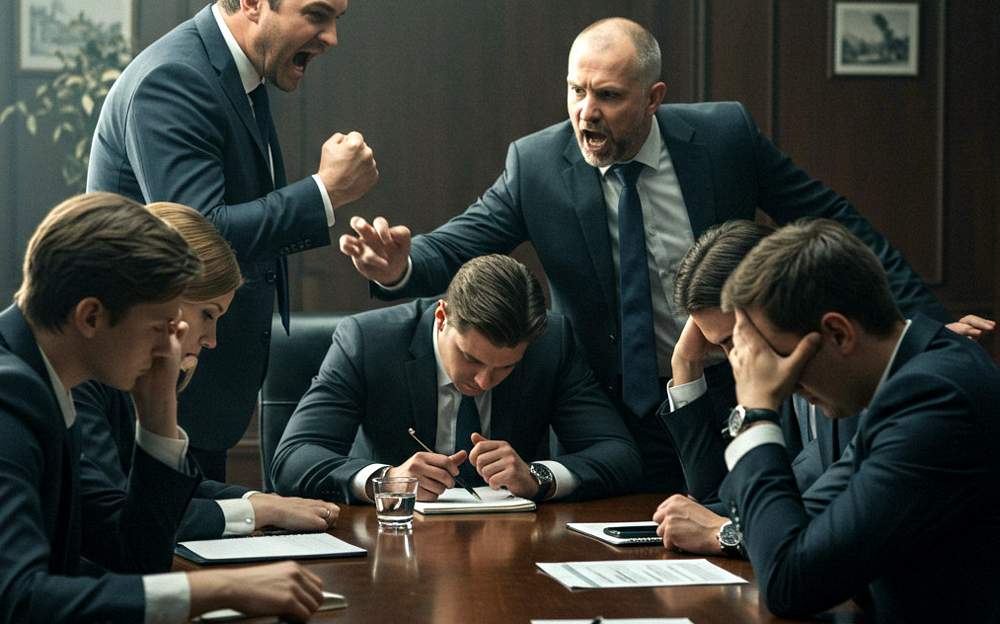
 Some managers inspire loyalty. Others, despite good intentions, slowly drain morale. This isn’t about tyrants—it’s about the well-meaning but unaware. If your team looks tense every Monday, there’s probably a reason.
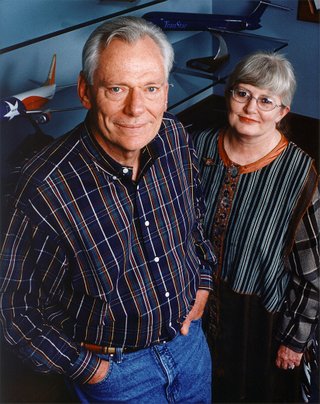 Southwest Airlines didn’t rise to prominence through spreadsheets or sycophancy. It was built by a jolly, chain-smoking Texas lawyer named
 .jpg "'Nuts- Southwest Airlines' by Kevin and Jackie Freiberg (ISBN 0767901843)")

 What struck me most in Penang is how Confucian values—often dismissed as rigid—are anything but. They
 Life admin—the endless personal tasks like making appointments, coordinating with kids or a spouse, switching insurance, paying bills, responding to personal emails, dealing with financial issues, and managing shopping returns. It’s the behind-the-scenes work that keeps life running smoothly.
 It struck me recently: while we obsess over leadership—how to be a good leader, how to measure it, and so on—there’s barely a peep about being a good follower.
.jpg "'The Art of Followership' by Ronald E. Riggio (ISBN 0787996653)")