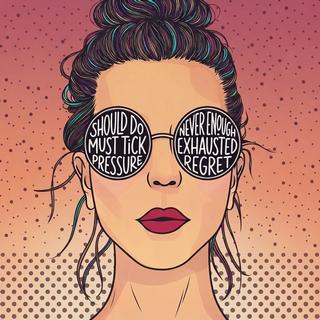

Modern life pushes us toward desires we never chose, and social media amplifies the pressure. What the crowd admires becomes what we’re expected to want, until the list reflects the culture more than the person carrying it.
Most people never check whether those ambitions were theirs to begin with. The discomfort underneath isn’t about mortality or unfinished plans; it’s about presenting a life that feels substantial when held up to others. The bucket list doesn’t fix that insecurity. It stages a performance of meaning while leaving the core untouched.
Cultural mandates don’t have a legitimate claim on your time or attention. Meaning comes from choosing deliberately, from saying this matters and that doesn’t. A coherent life feels lived; a completed list only feels documented.
The answer isn’t to want less. It’s to want more honestly.
The bucket list is ultimately an identity exercise, a way to assemble a self worth narrating to others and, increasingly, to yourself. A life shaped by genuine desire doesn’t need a list or an audience.
Idea for Impact: Examine who authored your bucket list. Look at whatever ambitions you carry, written or assumed, and identify which ones are truly yours and which were inherited from admiration, pressure, or someone else’s blueprint for a meaningful life. Let the borrowed ones go. Clear, honest conviction about what matters, and indifference to what doesn’t, isn’t a retreat from ambition. It’s the start of it.