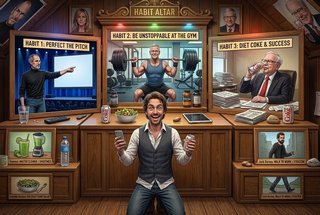

Tim Cook wakes at 3:45 AM, a fact repeated so often it feels less like impressive discipline and more like a cautionary note. He uses those hours for emails, strategy, and global operations before heading to the gym at 5:00 AM. Warren Buffett reportedly drinks five Cokes a day, confirming that extraordinary financial success doesn’t require nutritional rigor. Beyoncé has attacked extreme diets with the same intensity she brings to everything else: juice cleanses, the baby food diet, the Master Cleanse she endured for Dreamgirls. Jack Dorsey goes further still: one meal a day during the week, nothing on weekends.
The habits are interesting. Copying them is where things go wrong. Waking at 4 AM won’t make anyone a tech executive. Matching Buffett’s Coke intake leads to dental bills, not investment returns. Beyoncé’s liquid diets won’t launch a music career. What works for a specific person in a specific context, built on a specific history, doesn’t translate outside it. To copy the habits of the famous is to admit you have none of your own.
The most effective routines aren’t borrowed. They’re built through honest self-assessment: how you think, when you focus, what you need to perform well. Elite habits make useful prompts for reflection. As blueprints, they’re distractions.
Idea for Impact: The only routine worth optimizing is yours. Not a modified version of someone else’s, not an aspirational approximation. Yours, built from the ground up around how you actually work.