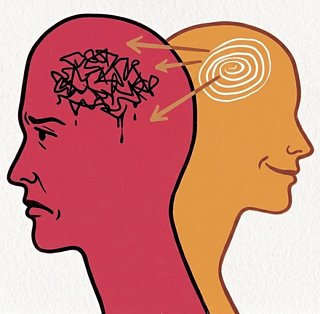

The only way through it is evidence, gathered honestly.
Look back at the last year or two with a specific question: where did you demonstrate real ability, and where did sustained effort produce something worthwhile? Not a general sense of having worked hard, but concrete instances—the project that succeeded, the problem you solved, the moment someone relied on your judgment and it held up. These are data points, and they’re useful precisely because they’re verifiable.
That evidence does two things. It builds a credible account of your own competence, and dismantles the hidden assumptions that imposter syndrome runs on. Those assumptions rarely survive contact with a clear-eyed record of what you’ve actually done.
The goal isn’t uncritical self-confidence. There’s almost always room to improve, and acknowledging that is part of what makes the exercise credible. The point is to hold two things simultaneously: justifiable pride in what you’ve earned, and enough humility to keep improving.
Idea for Impact: Imposter syndrome fades when the evidence outweighs the feeling. So build the evidence.