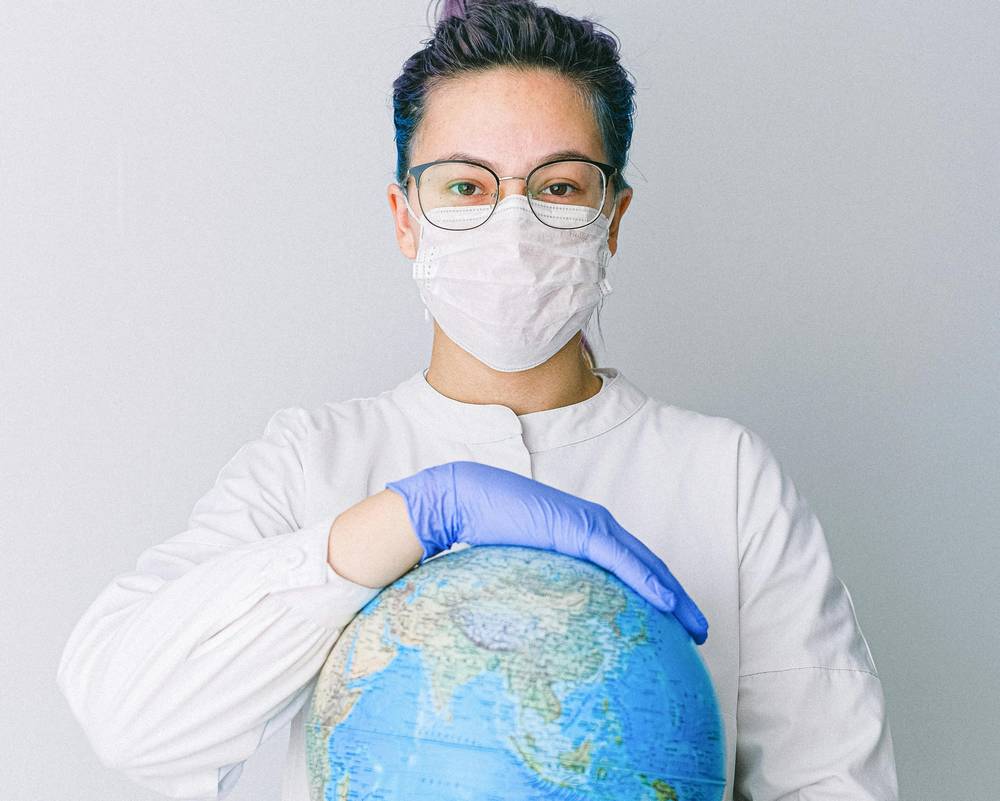

The Psychiatric Mental Health Nurse Practitioner role has grown tremendously over the last 10 years due to increased demand for mental health care worldwide and the recognition of nurses’ ability to lead psychiatric care. The issue of mental health needs has increased in diverse groups of people due to different factors like urbanization, social isolation, aging population, and the post-impact of the crisis around the world.
In turn, healthcare systems worldwide are adjusting their workforce models to benefit communities, and the PMHNP role is adapting as well. Individuals who consider pursuing a PMHNP degree will find a more interconnected, dynamic, and responsive landscape in terms of cultural context and healthcare policy.
With the countries reconsidering the way mental health care is provided, PMHNPs are gaining more responsibilities, both as they practice independently and collaboratively to provide care and those involving policy and education leadership. The perspective on the current evolution of the profession worldwide provides an opportunity to understand the profession’s next opportunities and challenges.
The United States – Expanding Scope and Autonomy
The PMHNP role has developed at an accelerated pace in the USA due to the broadening of the scope of practice legislation and the shortage of psychiatric practitioners. Various states have also given full practice authority to PMHNPs so that they can assess, diagnose and manage patients without the supervision of a physician. This has especially been evident in underserved and rural regions where proximate access to psychiatrists is inaccessible.
US education programs are growing their enrolments and include training in telepsychiatry to equip graduates to meet various care needs, regardless of the setting. With a lessening of mental health stigma and a growing number of services demanded, PMHNPs are becoming leaders in healthcare decision-making , influencing the standards of practice, and adding to interdisciplinary care models.
Canada – Harmonizing Practice Across Provinces
Canada provides an alternative regulatory arrangement in which provincial governments define the scope of practice in the nursing field. The PMHNP jobs are also growing, albeit at differing rates across the regions. Other provinces, like Ontario and British Columbia, have recognized the advanced role of psychiatric nursing, and nurse practitioners can therefore provide comprehensive mental health care and assessment.
Canadian PMHNPs work in co-operative care with physicians, psychologists and social workers, commonly in community health centers or integrated primary care teams. The focus on interprofessional practice has been part of a larger health system devotion to affordable, holistic care and PMHNPs are poised to be stakeholders in mental wellness initiatives.
Europe – Diverse Frameworks and Growing Recognition
The PMHNP is developing within a quilt of healthcare systems and educational standards across Europe. In other countries like the United Kingdom, the Netherlands, and Sweden, psychiatric nurse practitioners have been formalized as a part of the mental health system. Advanced nursing roles in the UK include mental health assessment, prescriptions, and case management, but the titles and functions can vary from the US model.
Collaboration across many disciplines is highly valued in European healthcare systems , and PMHNPs work with psychiatrists, psychologists, and rehabilitation professionals. The educational path differs: in some countries, preparation is at the master’s level, while in others, doctoral standards are adopted. The role of the PMHNP is still on the rise as countries address workforce deficits and improve access to mental health care.
Australia and New Zealand – Integrating Care in Diverse Settings
Other regions that have grown advanced mental health nursing include Australia and New Zealand, where nurse practitioners can assess, diagnose, and manage care, including prescribing medications under specified regulatory bodies. These nations have been focused on culturally responsive practice, especially with rural and indigenous communities, where PMHNPs are crucial for filling service gaps.
Clinical specialty training in mental health nursing is part of the educational paths usually followed for nurse practitioner credentialing. The introduction of PMHNPs into multidisciplinary teams helps promote efforts in youth mental health, trauma recovery, and community resiliency.
Low- and Middle-Income Countries – Innovation Amid Constraints
The development of the PMHNP role is also accompanied by systemic constraints experienced in many low- and middle-income countries, including scarce resources, workforce shortages, and inconsistent regulatory systems. Despite these issues, new strategies are being developed.
Asian, African, and Latin American countries are beginning to formalize advanced nursing roles, and some already offer postgraduate certificate programs or master’s programs specific to mental health. Models involving task-sharing practices, such as expanding the responsibilities of non-physician clinicians under supervision, are becoming increasingly popular, especially in areas experiencing shortages of psychiatrists.
Under such settings, PMHNPs and psychiatric clinical nurses could serve as frontline providers supported by telepsychiatry programs, mobile health initiatives, and the integration of community health workers. Although regulators differ in their recognition, pragmatic responses to unmet mental health needs are increasingly being implemented through more advanced nursing roles.
Telehealth and Technology – A Global Catalyst
One common theme across all regions is how technology has influenced the PMHNP role. Telehealth has expanded access to care, enabling PMHNPs to reach patients regardless of geographic or socioeconomic boundaries. Those nations with strong digital infrastructure have quickly adopted telepsychiatry and are expanding their capacity to accommodate remote service delivery.
Education and training are also affected by technology, as online courses, virtual simulations, and cross-border education increase access to PMHNP training. Such innovations help develop the workforce and build a more globalized community of professionals.
A Vision for the Future
The development of the PMHNP role at the international level is seen as an extension of changes in healthcare delivery, labor force planning, and societal expectations. In the United States, PMHNPs are driving the future of mental health care through autonomous practice; in Europe, through collaborative care models; and in resource-constrained environments, through innovative models.
For clinicians and learners considering the world of advanced practice, developments worldwide offer motivation and insight into how different health systems can use nursing leadership. The development of the PMHNP role is not just a response to existing demands but an idea of accessible, high-quality mental health care for everyone.