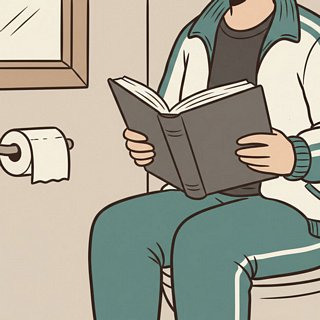
 The AP Stylebook is not a book to be conquered, nor is The World Almanac and Book of Facts. They are tools, not tomes. They exist to be consulted, scanned, and revisited. Treating them like novels to be read from cover to cover is a category error.
The task is not memorization; it is orientation. Success lies in knowing what is inside and where to find it. Think of these volumes as companions. Keep them close and dip into them often. Call it “loo literature” if you like—the practice of using idle moments to absorb their contents in small, concentrated bursts.
This method builds familiarity. Repetition creates a mental map of the book’s architecture. Over time, the intimidating mass of rules and facts becomes terrain you can navigate with ease.
Scanning beats slogging. Let your eyes wander and stop when something catches your attention: a curious rule in The AP Stylebook, a surprising statistic in the Almanac, or a detail that makes you pause. Those moments of discovery stick, eventually becoming landmarks in your memory.
Other reference works reward the same approach. Consider dictionaries of quotations, encyclopedias of political history, or guides to parliamentary procedure. None demand mastery, yet all reward repeated, low-pressure encounters.
Idea for Impact: Do not cram. Do not memorize. Familiarize, familiarize, familiarize. That steady discipline turns The AP Stylebook, The World Almanac, and their kin from daunting bricks into trusted allies.
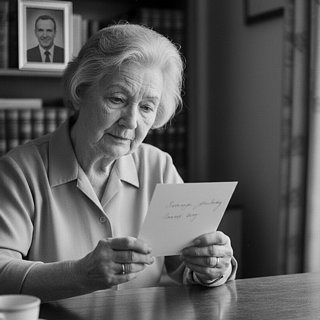 News of a death often arrives on its own schedule, sometimes long after the moment itself, carrying the quiet weight of something that still matters. Many people, confronted with that delay, retreat into silence, convinced the chance to acknowledge the loss has passed.
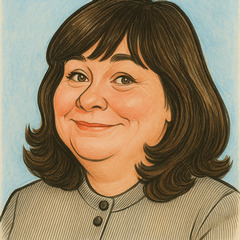 British comedian and The Vicar of Dibley star
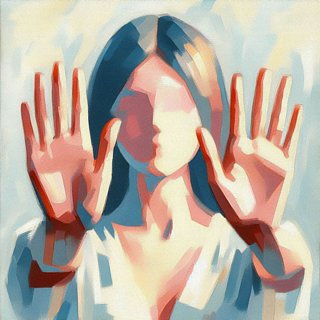 Boundaries define what you’ll tolerate and what you won’t. Without them, you hand control of your time and energy
 A disagreement stays harmless until you make it personal. Attack someone’s character, dismiss their opinions, or ignore their emotions, and it stops being a discussion. It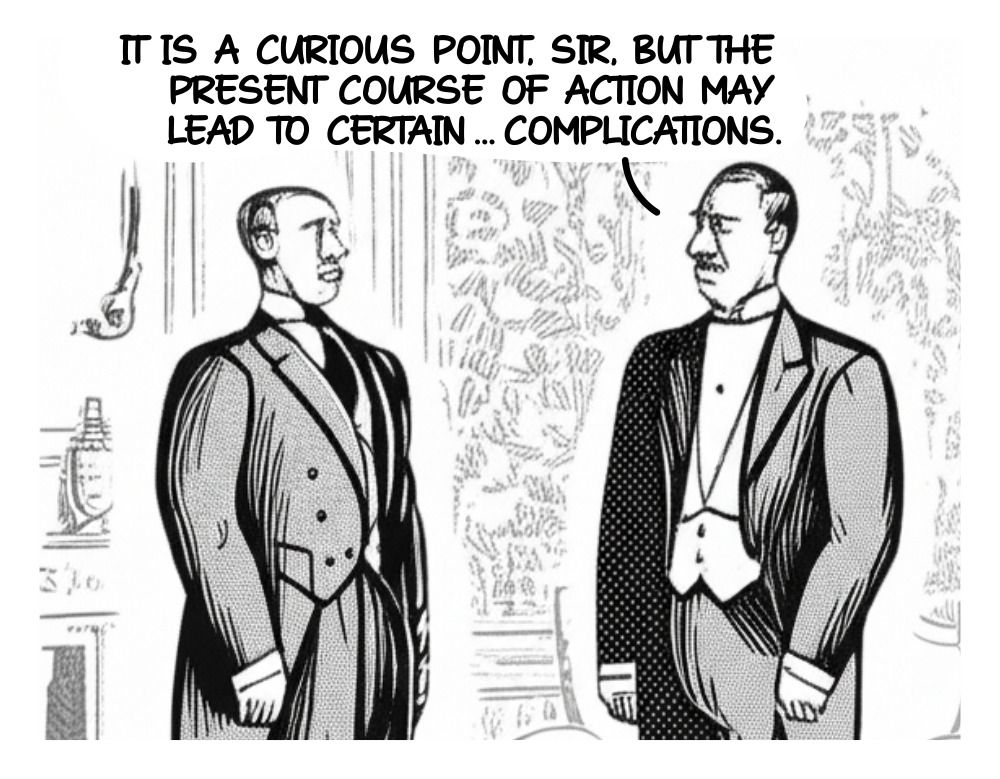
.jpg "'The Book of Human Emotions' by Tiffany Watt Smith (ISBN 0316265403)")
 We tend to see